How to Capture Stunning Photos on a Safari 2026
Discover expert tips for capturing stunning safari photos. Learn about the best times, camera gear, techniques, and more to enhance your wildlife photography.
Unlock the secrets to taking breathtaking safari photos with our comprehensive guide. From choosing the right gear to perfecting your timing and technique, we cover everything you need to know. Learn how to capture wildlife in its natural habitat, master the art of landscape photography, and take full advantage of different lighting conditions to create unforgettable images.
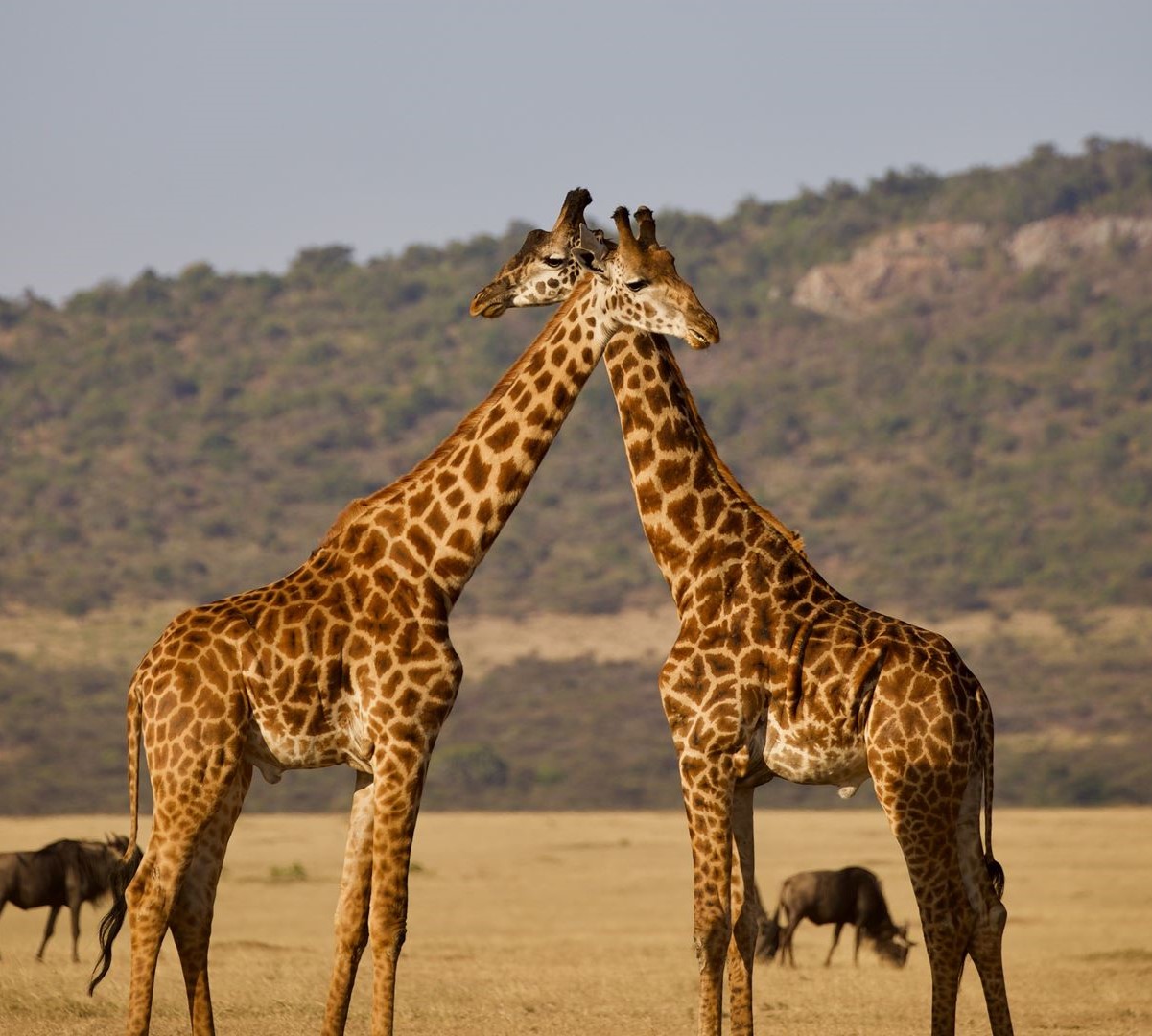
How to Capture Stunning Photos on a Safari
Embarking on a safari provides incredible opportunities to capture wildlife in its natural environment. Whether you're an amateur photographer or a seasoned pro, the key to stunning safari photos is preparation, the right gear, and the ability to anticipate and respond to the dynamic and fast-paced nature of the African wilderness.
Best Time to Take Photos on Safari
The best time to take photos on a safari is during the golden hour, which occurs shortly after sunrise and just before sunset. During these times, the light is softer, creating stunning, warm tones that highlight the textures and details of both animals and landscapes. Midday sun can be harsh, casting unwanted shadows and making it harder to capture the full depth of the scene.
Essential Camera Gear for Safari Photography
When it comes to safari photography, the right camera gear can make all the difference. Here are some essential items to bring along:
Camera Body
A DSLR or mirrorless camera with fast autofocus and high ISO performance is ideal.
Telephoto Lens
A lens in the range of 200mm to 600mm allows you to photograph wildlife from a safe distance without disturbing the animals.
Wide-Angle Lens
For capturing breathtaking landscapes and panoramic scenes of the savannah.
Tripod or Monopod
Essential for stabilizing your camera, especially when using long lenses.
Extra Batteries and Memory Cards
The extended shooting periods on safari can quickly drain batteries and fill up memory cards.
Techniques for Stunning Safari Shots
Knowing your gear is only half the battle—mastering the techniques that help you anticipate, capture, and preserve wildlife moments is equally important. Here are a few tips:
Anticipate the Action
Observe the behavior of animals and anticipate their movements to capture the perfect moment.
Focus on the Eyes
For wildlife portraits, ensure the eyes are in sharp focus for an engaging image.
Use Natural Lighting
Golden hour and overcast skies provide the best natural lighting for wildlife photography.
Freeze Action with Fast Shutter Speed
Use fast shutter speeds to freeze the motion of fast-moving animals, such as running herds or birds in flight.
Consider the Background
A clean background helps your subject stand out. Look for contrasting elements to create visual interest.
Frequently Asked Questions (FAQs) About Safari Photography
What is the best time of day to take photos on safari?
The best times to take photos are during the golden hour — shortly after sunrise and just before sunset. These times offer soft, warm light that enhances the textures of animals and landscapes. Midday light is harsher and can cause unwanted shadows, but animals are often more active during this time, especially near water sources.
What type of camera lens is ideal for safari photography?
A telephoto lens (200mm to 600mm) is essential for capturing wildlife from a distance, as it allows you to photograph animals without disturbing them. A zoom lens (70-200mm) is versatile and ideal for both distant shots and closer encounters. A wide-angle lens (16-35mm) is useful for capturing sweeping landscapes and dramatic skies, especially when the animals are part of a broader scene.
How far should I stay from animals when taking photos?
Always maintain a safe distance from animals. Use your telephoto lens to capture close-up shots while staying far enough away so as not to disturb the wildlife. Most safari vehicles have specific rules about how close you can get, and many parks have regulations to ensure the safety of both visitors and animals. Remember, it’s important to respect the animals' space and avoid stressing them.
How can I improve my chances of photographing rare animals?
Patience is key. Rare animals may be more elusive, but observing their behavior and the environment around them can help you anticipate their movements. Safari guides can be invaluable in pointing out locations where specific animals are known to frequent. Being patient and taking time to observe the animals can increase your chances of capturing those rare moments.
Should I shoot in RAW or JPEG?
It’s highly recommended to shoot in RAW if your camera allows it. RAW files retain more detail and dynamic range, giving you greater flexibility in post-processing. This is particularly important on safari, where lighting conditions can vary dramatically. JPEG files are compressed and lose some detail, limiting your ability to make adjustments later.
How do I avoid blurry wildlife photos?
To avoid blur, use a fast shutter speed (1/1000th of a second or faster) to freeze motion. Also, ensure your camera is stable, especially when using long lenses. If you’re in a moving vehicle, try shooting with a monopod or brace yourself against a stable surface to minimize camera shake.
Can I use a drone for safari photography?
Drone photography can provide unique aerial views of wildlife and landscapes, but it’s important to follow local laws and park regulations. Many safari parks prohibit drone use due to concerns about disturbing animals and violating privacy. Always check the rules of the specific location and obtain the necessary permits before using a drone on safari.
How can I avoid disturbing animals while photographing them?
Always remain quiet and move slowly. Avoid sudden or loud noises, as they can startle the animals. Many safari vehicles are designed to allow you to photograph animals from a distance without causing disruption. Always follow the instructions of your guide, and never attempt to get out of the vehicle or approach the animals on foot.
What should I pack for a safari photography trip?
In addition to your camera gear, consider bringing:
- Appropriate clothing: Neutral colors (like khaki or brown) help you blend into the environment.
- Binoculars: To spot wildlife from a distance.
- A notebook and pen: To record animal sightings, behaviors, and settings you used for your shots.
- Waterproof gear: In case of rain or dusty conditions, a rain cover for your camera gear is useful.
- Sunscreen and insect repellent: Protect yourself from the elements.
How do I get good landscape shots on safari?
For landscape shots, use a wide-angle lens (16-35mm). Try to shoot during the golden hour for dramatic lighting. Include interesting elements like a herd of animals, a dramatic sky, or a unique tree to give context to the vastness of the scene. Look for leading lines in the landscape that can guide the viewer’s eye through the image, such as roads, rivers, or animal trails.
What should I do if the weather changes suddenly?
Weather can change quickly on safari, but this can offer some incredible photographic opportunities. Dramatic skies, rainstorms, and overcast conditions can add mood and depth to your photos. If it starts to rain, protect your camera with a rain cover and continue shooting, especially if animals are reacting to the weather. If it’s cloudy, the soft light can make for beautiful portraits of animals.
How do I capture animal behavior effectively?
To capture animal behavior, spend time observing the animals and their environment. Anticipate their movements, such as when a predator is about to pounce or when a herd is about to take off running. Be patient, and focus on timing your shot to capture the moment. Behavioral shots like a lion roaring or a mother feeding her cub can tell a compelling story in a single image.
How can I edit my safari photos to enhance them?
Post-processing is an essential step in bringing out the best in your safari photos. Focus on:
- Adjusting exposure to bring out detail in both highlights and shadows.
- Enhancing contrast to add depth.
- Sharpening the details, especially for wildlife portraits.
- Saturating colors slightly to make the greens of the savanna or the orange of the sunset pop.
Be careful not to overdo it—subtle adjustments often result in the most striking images.
Can I capture action shots of fast-moving animals?
Yes, capturing fast-moving animals is one of the most exciting aspects of safari photography. To get sharp action shots, use a fast shutter speed (1/1000th of a second or faster) to freeze motion. Continuous autofocus (AI Servo or AF-C) helps keep the subject in focus as it moves. You may also want to try panning with the animal to blur the background and give the impression of speed.
Conclusion
Safari photography is a thrilling and rewarding experience, allowing you to document the beauty and majesty of wildlife in its natural habitat. With the right preparation, equipment, and techniques, you can capture breathtaking images that tell the story of your adventure. Remember to stay patient, respect the animals' space, and embrace the unpredictable nature of the wilderness. Whether you're photographing a lion's roar or the vast landscape of the savannah, your safari photos will be a lasting reminder of the awe-inspiring world of African wildlife.
BURIGI CHATO SAFARIS
Build Your Trip Now! in 2026

How to Capture Stunning Photos on a Safari
Book Now
N.B: After you send your booking we will get back to you with in 24 hours.
Burigi Chato Safaris
Booking form
Why Book With Us?
Burigi Chato Safaris is a trusted and experienced tour operator specializing in unforgettable safari experiences across Tanzania. Here’s why we are your best choice:
Our knowledgeable and highly trained guides ensure an immersive and informative safari experience, sharing deep insights into Tanzania’s wildlife and landscapes.
We offer customized safari experiences, ranging from budget camping to mid-range lodges and luxury safaris, designed to match your preferences.
Our dedicated team is available round the clock to assist with trip planning, bookings, and any inquiries during your safari.
Enjoy exclusive game drives, cultural interactions with the Maasai, and off-the-beaten-path experiences that showcase Tanzania’s hidden gems.
We are committed to responsible tourism, supporting conservation efforts and empowering local communities.
Book your safari with Burigi Chato Safaris and explore Tanzania’s breathtaking wildlife and landscapes with a trusted safari expert!