How to Choose the Best Safari Tour for Your Budget 2026
Discover how to choose the best safari tour for your budget with tips on destinations, accommodation, and safari types for an unforgettable adventure.
planning a safari tour on a budget? This guide helps you choose the right safari by considering factors like budget, destination, accommodation, and safari type. Whether you're looking for an affordable group safari or a luxurious private tour, find out how to make the most of your safari experience without overspending. Expert tips to ensure a memorable wildlife adventure!
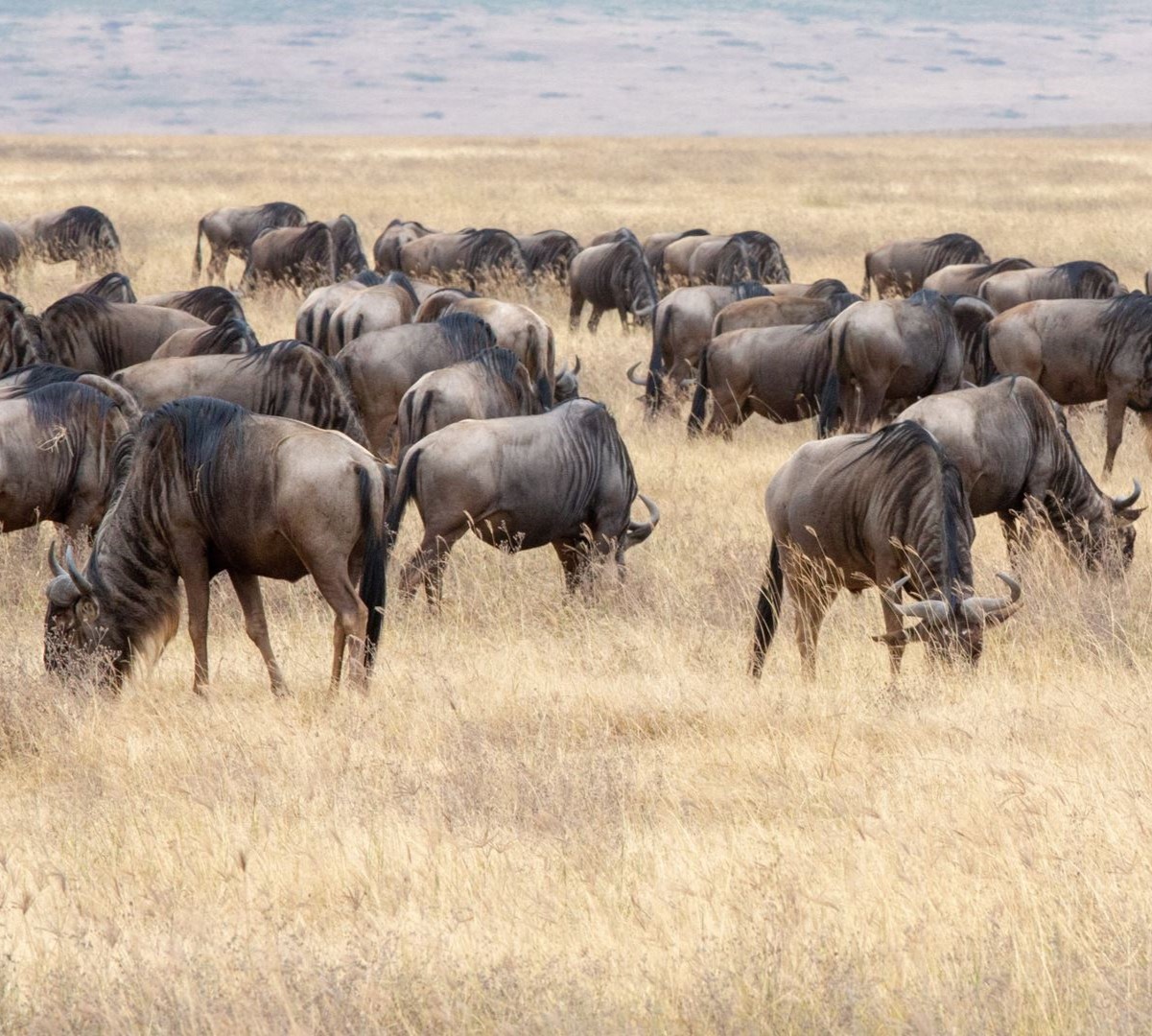
How to Choose the Best Safari Tour for Your Budget
Embarking on a safari is a once-in-a-lifetime experience for many travelers, offering the chance to witness wildlife in their natural habitats and explore some of the world's most breathtaking landscapes. However, choosing the right safari tour that aligns with your budget can be a challenging task, given the wide range of options available, from budget-friendly tours to luxury safaris. To help you make an informed decision, here’s a comprehensive guide on how to choose the best safari tour for your budget.
1. Determine Your Budget
Before you begin exploring safari options, it’s essential to define your budget. Safari costs can vary widely, depending on several factors such as the destination, duration, level of luxury, and inclusions like meals, guides, transportation, and accommodations. Here’s a general breakdown of safari costs:
- Budget Safaris: Typically $100–$200 per day, per person. These tours generally include basic accommodations, shared transportation, and fewer amenities. Budget safaris usually focus on essential experiences like wildlife viewing, and they may involve group tours.
- Mid-Range Safaris: Ranging from $200–$500 per day, per person. These tours offer more comfortable accommodations, often in safari lodges or tented camps, with more personalized service. You can expect some premium elements such as higher-quality food, smaller group sizes, and expert guides.
- Luxury Safaris: Starting from $500–$1,500+ per day, per person. Expect high-end accommodations like five-star lodges or private luxury camps, gourmet meals, private safari vehicles, and possibly exclusive experiences like helicopter tours or hot air balloon rides over the savannah.
Having a clear understanding of your budget will help you filter through the many options available and ensure you are selecting a safari that meets both your expectations and financial limits.
2. Choose Your Safari Destination
The destination you choose will significantly impact the overall cost of your safari. Some regions are more affordable than others, while others cater to high-end luxury tourism. Here are a few popular destinations with varying price ranges:
- Kenya and Tanzania: Known for iconic national parks such as the Maasai Mara and Serengeti, these countries offer a wide range of safari options, from budget to luxury. Budget-friendly safaris are typically found in less popular areas or during the low season. In contrast, safaris in renowned areas during peak seasons may be more expensive.
- South Africa: Offers a variety of safari experiences, including Kruger National Park, which has options for all budgets. South Africa is a popular choice for those seeking affordable safaris with great wildlife viewing opportunities. You can also opt for more exclusive private game reserves for a luxury experience.
- Botswana: Known for more exclusive and upscale safari experiences, Botswana can be on the pricier side. However, the country offers some of Africa’s most pristine wilderness areas, such as the Okavango Delta, which is home to abundant wildlife and spectacular scenery.
- Namibia: With vast desert landscapes and unique wildlife, Namibia offers a more specialized safari experience that can fit within a mid-range or luxury budget. The Namib Desert is an iconic destination known for its striking dunes and desert-adapted species.
- Uganda and Rwanda: These countries offer unique safaris focused on gorilla trekking. Due to the limited permits and the exclusivity of the experience, gorilla safaris tend to be more expensive, especially in Rwanda. However, the opportunity to see mountain gorillas in the wild is unparalleled and worth the premium cost for many travelers.
The cost of a safari also depends on the time of year. Peak season (often during dry months when wildlife is more easily spotted) can result in higher prices, while traveling during the shoulder or off-season can help you save money. If you’re on a budget, consider planning your trip during the low season, which also comes with fewer crowds.
3. Decide on the Type of Safari
Different safari types cater to different budget ranges. The three main safari types are:
- Group Safaris: These are generally the most affordable option. Group safaris pool resources, such as transportation and accommodation, which lowers the cost per person. They are ideal for travelers on a budget but expect less personalized attention. Group safaris can sometimes be less flexible with timing and the type of experience you want, but they still offer the opportunity to see incredible wildlife.
- Private Safaris: If you prefer more flexibility and exclusivity, a private safari might be more suitable, though it typically comes at a higher cost. Private safaris allow you to tailor the experience, with private vehicles, personal guides, and customized itineraries. You may also enjoy more intimate game drives and the luxury of deciding your schedule. If you want to add more adventure or specific activities like walking safaris or special photography sessions, a private safari can accommodate that.
- Self-Drive Safaris: These safaris involve renting a vehicle and navigating the national parks and game reserves yourself. While this option is more budget-friendly, it’s not suitable for all travelers, as it requires careful planning, understanding of the local environment, and knowledge of navigating rough terrain. Self-drive safaris can be the most economical option, especially for smaller groups or solo travelers, as you’re responsible for the route and accommodation choices. However, this option works best for seasoned travelers who are comfortable with the local conditions.
4. Consider the Level of Comfort and Accommodation
The quality of accommodation is a significant factor that impacts the price of a safari. Safari accommodations range from basic campsites and budget lodges to luxury safari lodges and five-star resorts. Here are the main accommodation options:
- Camping: The most affordable accommodation option. This could be in basic tents or semi-permanent camps, and you’ll often share facilities with other travelers. Many camps offer a more rustic, authentic experience with great access to nature.
- Basic Lodges: These are simple and comfortable accommodations, often with en-suite bathrooms and basic amenities, but not overly luxurious. Basic lodges are often found in national parks and game reserves, providing the essentials like a comfortable bed, food, and a safe space to relax.
- Mid-Range Lodges or Tented Camps: These often provide a more immersive safari experience with private tents or lodge rooms, better amenities, and sometimes upgraded meals. Some mid-range accommodations may also offer better access to more private game drives or unique experiences, such as walking safaris with a guide.
- Luxury Lodges and Resorts: Expect high-end lodges or private camps with all-inclusive services, fine dining, and top-notch amenities. The level of comfort and exclusivity comes with a premium price tag. For example, luxury camps may feature private plunge pools, personalized butler service, or specialized excursions like night safaris or bush dinners.
If you're traveling on a tight budget, consider options like mobile tented camps or staying in national park lodges, which provide a more affordable experience while still being close to the wildlife action.
5. Research the Inclusions and Exclusions
Before committing to a safari, check the inclusions and exclusions in the price. Some safari tours might appear affordable but come with additional costs that can quickly add up. Common inclusions and exclusions include:
- Inclusions: Accommodation, transportation (game drives, park transfers), meals, park entry fees, and sometimes guides.
- Exclusions: Flights, visas, alcoholic beverages, tips, optional activities (e.g., balloon rides, additional game drives), and travel insurance.
Ensure that you factor in any additional costs when calculating the total cost of your safari. Some tour operators offer all-inclusive packages that cover most costs upfront, which can help avoid any surprises along the way.
6. Look for Special Offers and Deals
Many tour operators offer discounts or promotional deals, especially during the off-season or for last-minute bookings. You may also find package deals that combine safaris with other travel experiences, such as cultural tours or beach holidays. It’s worth subscribing to newsletters or following safari companies on social media to be notified of any deals. Some deals may include special offers like free upgrades, discounts for larger groups, or exclusive experiences like private game drives or dinners under the stars.
7. Read Reviews and Get Recommendations
Before booking a safari, read reviews from other travelers who have experienced the tours you're considering. Websites like TripAdvisor, SafariBookings, or personal blogs can provide valuable insights into the quality of the safari experience and help you find reliable tour operators. If you’re working with a travel agent, don’t hesitate to ask for recommendations based on your budget and preferences. Personalized recommendations from previous clients can help you feel more confident in your choice.
8. Set Realistic Expectations
Finally, it’s important to set realistic expectations based on your budget. While a budget safari might not offer the same level of luxury as a high-end tour, it can still provide a memorable experience if you choose the right operator. Similarly, a luxury safari is not just about comfort but can also offer exceptional wildlife viewing, exclusive experiences, and more personalized services.
Remember that safaris are often about the experience, the adventure, and the memories created in the wild. Every safari offers something special, whether it's a luxury camp in the bush or a basic campsite under the stars. What matters most is that you enjoy the journey and the opportunity to witness some of the planet’s most amazing creatures in their natural environment.
FAQs About Choosing the Best Safari Tour for Your Budget
1. How much does a safari cost?
The cost of a safari can range from $100–$1,500+ per day, depending on your budget, the destination, type of safari, and level of accommodation. Budget safaris typically cost between $100–$200 per day, while luxury safaris can exceed $1,500 per day per person.
2. What is the best time to go on a safari?
The best time to go on safari is during the dry season, which typically runs from June to October. During this period, wildlife is easier to spot as animals gather around water sources, and vegetation is thinner. However, off-season safaris can also offer a more affordable experience with fewer tourists.
3. Can I go on a safari on a tight budget?
Yes, budget safaris are available, especially in destinations like South Africa, Tanzania, and Kenya. By opting for group tours, staying in simpler accommodations like lodges or campsites, and traveling during the off-season, you can significantly reduce your safari costs.
4. What’s included in a safari package?
Inclusions generally cover accommodations, meals, game drives, park entry fees, and sometimes a guide. Some tours may also include additional activities like walking safaris, hot air balloon rides, or cultural visits, but these are often at an extra cost.
5. Should I choose a group safari or private safari?
If you’re on a budget, a group safari is more cost-effective, as the cost of the safari is shared among all travelers. However, if you prefer more flexibility and exclusivity, and are willing to spend more, a private safari offers a more personalized experience.
6. What is the difference between a lodge and a tented camp safari?
Lodges tend to offer more permanent structures with comfortable amenities like en-suite bathrooms, air conditioning, and a more traditional hotel-like experience. Tented camps, on the other hand, often provide a more immersive, rustic safari experience, offering a blend of comfort and adventure with safari-style tents and outdoor living.
Conclusion
Choosing the best safari tour for your budget requires careful planning and consideration of various factors, including destination, type of safari, accommodation, and the overall experience you’re seeking. By doing your research, comparing different options, and setting clear expectations, you can ensure that you find a safari that offers the right balance of adventure and value for money. Whether you’re on a shoestring budget or ready to indulge in a luxury experience, there’s a safari tour for every traveler to enjoy. Take your time, select wisely, and get ready for the adventure of a lifetime.
BURIGI CHATO SAFARIS
Build Your Trip Now! in 2026

How to Choose the Best Safari Tour for Your Budget
Book Now
N.B: After you send your booking we will get back to you with in 24 hours.
Burigi Chato Safaris
Booking form
Why Book With Us?
Burigi Chato Safaris is a trusted and experienced tour operator specializing in unforgettable safari experiences across Tanzania. Here’s why we are your best choice:
Our knowledgeable and highly trained guides ensure an immersive and informative safari experience, sharing deep insights into Tanzania’s wildlife and landscapes.
We offer customized safari experiences, ranging from budget camping to mid-range lodges and luxury safaris, designed to match your preferences.
Our dedicated team is available round the clock to assist with trip planning, bookings, and any inquiries during your safari.
Enjoy exclusive game drives, cultural interactions with the Maasai, and off-the-beaten-path experiences that showcase Tanzania’s hidden gems.
We are committed to responsible tourism, supporting conservation efforts and empowering local communities.
Book your safari with Burigi Chato Safaris and explore Tanzania’s breathtaking wildlife and landscapes with a trusted safari expert!