Packing List for Safari: What to Bring & What to Avoid 2025
Prepare for your safari adventure with this complete packing list. Discover essential clothing, gear, and accessories to ensure a comfortable, safe experience.
Planning a safari? Our comprehensive packing list covers everything you need to bring—from clothing and footwear to travel accessories and health essentials. Get tips on what to avoid, like bright-colored clothes and bulky luggage, and answers to frequently asked questions to help ensure your safari experience is smooth, safe, and unforgettable.
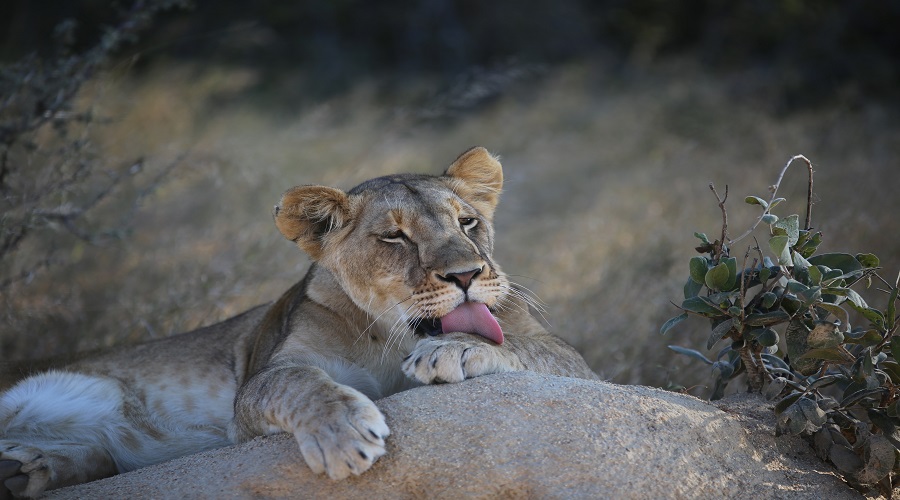
Packing List for Safari: What to Bring & What to Avoid
A safari is an extraordinary experience that immerses you in nature's beauty, offering the chance to observe wildlife in its natural habitat, explore vast landscapes, and enjoy a once-in-a-lifetime adventure. However, to ensure that your safari is as comfortable and enjoyable as possible, it’s important to pack wisely. The right gear will help you stay comfortable, safe, and prepared. In this expanded guide, we cover what to bring, what to avoid, and provide answers to some frequently asked questions about safari packing.
Essential Items to Bring on Safari
1. Clothing
Clothing for a safari needs to be practical, lightweight, and adaptable to varying weather conditions.
- Neutral-colored clothing: Safari attire should consist primarily of neutral colors like khaki, olive, beige, and brown. These colors blend with the environment and help avoid drawing attention from animals or insects. Bright colors like red, yellow, or white are best avoided because they can disturb the natural surroundings and attract unwanted pests.
- Lightweight, breathable fabrics: Cotton, linen, and moisture-wicking synthetics are great options to keep you cool. During midday, temperatures can soar, while mornings and evenings may be chilly, so layering is key.
- Long-sleeved shirts and pants: Not only do long sleeves and pants protect you from the sun’s rays, but they also shield you from potential insect bites and scratches when traversing dense vegetation. Fabrics that dry quickly are ideal, as they keep you comfortable during long days in the bush.
- A warm jacket or fleece: Even in tropical or desert climates, the mornings and evenings can get surprisingly cold, so packing a fleece or light jacket is a good idea.
- Rain jacket or poncho: Weather can be unpredictable, especially in tropical or subtropical regions. A lightweight, packable rain jacket or poncho will ensure you're prepared in case of sudden downpours.
- Wide-brimmed hat or cap: A wide-brimmed hat is perfect for keeping the sun off your face and neck. You may also want a hat with a neck flap for additional protection. Alternatively, a cap works as a good sun shield, but be aware that it doesn’t offer as much protection as a wide-brimmed option.
- Swimwear: If your accommodation features a pool or you plan to visit lakes or rivers, packing a swimsuit can provide some much-needed relaxation after a long day of safari adventures.
2. Footwear
The right shoes are essential for comfort during your safari activities.
- Comfortable walking shoes or hiking boots: These shoes should provide support and comfort for long walks through diverse terrain. Closed-toe shoes are recommended to protect your feet from rough surfaces, thorny plants, and animals.
- Sandals or slip-on shoes: These are great for wearing around the lodge or camp, particularly when it’s time to relax and unwind. However, they should not be your primary footwear for safaris or walking in the wild.
3. Travel Gear & Accessories
Having the right gear ensures a smooth, safe, and enjoyable safari experience.
- Daypack: A small, lightweight backpack is perfect for carrying items you need throughout the day, like your water bottle, snacks, camera, and binoculars. Many safari vehicles have limited space, so a compact daypack is ideal.
- Binoculars: Wildlife sightings often require a good pair of binoculars. Look for lightweight, waterproof models with at least 8x magnification for clear views at a distance.
- Camera with extra batteries and memory cards: Safaris provide once-in-a-lifetime photo opportunities, so ensure your camera is ready. Bring extra batteries since power may not always be available, and carry a couple of memory cards for additional storage.
- Power bank: Many safari lodges and camps are located in remote areas with limited electricity. A portable power bank ensures that your phone, camera, and other electronic devices stay charged throughout your adventure.
- Universal travel adapter: Different countries have different plug types, so make sure you pack an adapter that works for your destination.
- Headlamp or flashlight: Since safari activities often begin early in the morning or continue into the evening, a reliable flashlight or headlamp will help you navigate after dark, especially when walking to your tent or cabin.
- Lightweight scarf or buff: A scarf or buff helps protect your neck and face from the sun, dust, or chilly winds. They are also handy for covering your face when you're in the vehicle to shield yourself from the elements.
4. Personal Care & Health Items
Keeping healthy and feeling fresh while on safari is important, so don't forget to pack these essentials.
- Sunscreen (high SPF): The African sun can be intense, especially in open vehicles. Opt for a broad-spectrum sunscreen with at least SPF 30. Reapply frequently, especially if you're sweating.
- Insect repellent with DEET: Mosquitoes and other insects can be a nuisance, and some may carry diseases like malaria. Protect yourself with a repellent containing DEET (at least 30%).
- Basic first aid kit: Include band-aids, antiseptic wipes, antiseptic ointment, pain relievers, antihistamines (for allergic reactions), and any personal medications. A small medical kit can help with minor injuries or discomfort during your safari.
- Hand sanitizer and wet wipes: Use them to keep your hands clean when soap and water aren’t available.
- Lip balm and moisturizer: The combination of hot sun and dry air can leave your lips and skin feeling parched. Bring a good lip balm and a soothing moisturizer to keep your skin hydrated.
5. Documents & Money
Safaris often take you to remote locations, so it's important to have your travel documents and money well-organized.
- Passport and necessary visas: Make sure your passport is valid for at least six months beyond your travel dates. Additionally, check the visa requirements for the countries you'll be visiting.
- Travel insurance details: Medical emergencies or unexpected delays can happen, so it's best to have travel insurance that covers medical expenses and trip cancellations.
- Copies of important documents: Keep both physical and digital copies of your passport, visa, insurance policy, emergency contacts, and flight details in case your originals get lost or stolen.
- Local currency and credit/debit cards: While major tourist spots accept cards, many safari lodges or camps in remote areas may only accept cash. It's a good idea to carry some local currency, but don’t overdo it since most safaris offer all-inclusive packages that cover most expenses.
What to Avoid Packing for Safari
1. Bright-Colored or Dark Clothing
Bright colors, such as red, white, or yellow, can attract unwanted attention from wildlife and insects. In particular, dark blue and black attract tsetse flies, which are common in certain regions of Africa. It’s best to avoid these shades to stay safe and avoid attracting these pesky insects.
2. Heavy or Bulky Luggage
Safari travel often involves small planes or light aircraft with strict weight limits (typically around 15 kg or 33 lbs). A heavy suitcase can be difficult to manage in such situations. Use soft-sided luggage or duffel bags instead of hard-shell suitcases to ensure your luggage is easier to carry and store.
3. Strongly Scented Products
Perfumes, colognes, and strongly-scented lotions or deodorants can attract insects, particularly mosquitoes. These products may also disturb wildlife, so it's best to keep fragrances to a minimum.
4. Expensive Jewelry & Valuables
While it’s tempting to bring your finest jewelry or valuable items on a trip, safaris take you to remote locations where theft can sometimes be a concern. Leave your expensive items at home and only carry what is necessary for the trip.
5. Excessive Gadgets
While you may be tempted to bring every piece of tech equipment, such as drones, laptops, or multiple cameras, consider how much you truly need. Many safaris restrict drone usage, and carrying multiple gadgets can become cumbersome, especially in the wilderness where power is limited.
Final Tips for Safari Packing
- Layer your clothing: Temperatures can vary significantly throughout the day. Mornings and evenings are often cool, while afternoons can become very hot. Layering helps you adapt to changing conditions.
- Respect local customs and regulations: Certain safari destinations may have specific rules regarding plastics, wildlife interaction, or even drone usage. Research local customs to ensure you're compliant and respectful of the environment.
- Test your gear beforehand: Before you leave for your safari, check that your camera, binoculars, and any other gear are in working order. Familiarize yourself with the equipment to avoid any mishaps while you're on the safari.
- Stay hydrated and prepared: Safaris can be hot and physically demanding. Bring a refillable water bottle and stay hydrated. Dehydration can cause discomfort and negatively affect your experience.
Be Prepared for the Unexpected
Safari adventures are often unpredictable. Whether it's a surprise rainstorm, an unexpected animal encounter, or a change in itinerary, flexibility is key. Packing smartly will allow you to enjoy the experience fully, no matter what surprises come your way.
Frequently Asked Questions (FAQs)
1. What is the best time to go on safari?
The best time to go on safari largely depends on the region and the wildlife you want to see. In Africa, the dry season (typically from June to October) is ideal for wildlife viewing because animals tend to congregate around waterholes, making them easier to spot. However, for birdwatching or witnessing migrations, the wet season (from November to April) may be more suitable.
2. Can I bring my children on safari?
Yes, many safari lodges and camps cater to families. However, it’s important to check age restrictions, especially if you're planning on participating in walking safaris or if you have young children. Some safaris may not be suitable for children under a certain age due to safety concerns.
3. Is it safe to travel on safari?
While safaris are generally safe, it's important to follow your guide's instructions and take necessary precautions. Wildlife can be unpredictable, and safaris often take place in remote areas where medical facilities may not be easily accessible. Always ensure you have travel insurance that covers emergency situations and that you have the proper vaccinations.
4. How do I avoid mosquito bites during safari?
To prevent mosquito bites, wear long-sleeved clothing and pants, particularly during early mornings and evenings when mosquitoes are most active. Use insect repellent with DEET on exposed skin, and consider sleeping under a mosquito net if your accommodation provides one.
5. Can I bring a drone on safari?
Drone regulations vary by location. Many safari reserves prohibit drones due to wildlife disturbance concerns. Always check with the lodge or tour operator before bringing a drone, and ensure you're aware of any local laws or rules regarding drone use.
6. What should I do if I get sick during my safari?
If you fall ill during your safari, notify your guide or lodge staff immediately. They will have procedures in place for dealing with medical emergencies. Always have a basic first aid kit on hand, and ensure you have travel insurance that includes medical evacuation coverage.
7. How much money should I bring?
In addition to your credit or debit cards, bring a small amount of local currency for tips or minor expenses. Most safari lodges are all-inclusive, so you won’t need to worry about additional costs. However, it’s advisable to bring enough cash for tips, souvenirs, or optional excursions.
With the right packing, your safari will be an unforgettable experience. By being prepared and mindful of your gear, you'll ensure that you can focus on the incredible wildlife, stunning landscapes, and awe-inspiring moments that await you. Safe travels, and enjoy the journey!
BURIGI CHATO SAFARIS
Build Your Trip Now! in 2025

Packing List for Safari: What to Bring & What to Avoid
Book Now
N.B: After you send your booking we will get back to you with in 24 hours.
Burigi Chato Safaris
Booking form
Why Book With Us?
Burigi Chato Safaris is a trusted and experienced tour operator specializing in unforgettable safari experiences across Tanzania. Here’s why we are your best choice:
Our knowledgeable and highly trained guides ensure an immersive and informative safari experience, sharing deep insights into Tanzania’s wildlife and landscapes.
We offer customized safari experiences, ranging from budget camping to mid-range lodges and luxury safaris, designed to match your preferences.
Our dedicated team is available round the clock to assist with trip planning, bookings, and any inquiries during your safari.
Enjoy exclusive game drives, cultural interactions with the Maasai, and off-the-beaten-path experiences that showcase Tanzania’s hidden gems.
We are committed to responsible tourism, supporting conservation efforts and empowering local communities.
Book your safari with Burigi Chato Safaris and explore Tanzania’s breathtaking wildlife and landscapes with a trusted safari expert!