The Crater Highlands of Kilimanjaro represent a breathtaking and often overlooked aspect of this iconic mountain. While the Uhuru Peak summit garners most of the attention, the area surrounding the volcanic caldera offers a unique and rewarding experience for adventurous hikers and nature enthusiasts. This exploration delves into the geological wonders, diverse ecosystems, and unparalleled trekking opportunities found within this remarkable landscape.
The Geology of the Crater Highlands
The Crater Highlands of Kilimanjaro are a product of millions of years of volcanic activity. Three distinct volcanic cones – Kibo, Mawenzi, and Shira – formed over time, creating the impressive massif we see today. The caldera, a vast depression left by the collapse of a volcano, is a central feature of the Crater Highlands, showcasing the raw power of geological forces. Erosion over millennia has shaped the landscape, creating dramatic cliffs, fertile valleys, and unique geological formations. The volcanic soils, rich in minerals, support a surprisingly diverse flora and fauna. Studying the geological formations provides a glimpse into the Earth's dynamic history, revealing layers of volcanic activity and the processes that sculpted this spectacular region.
Kibo Cone and the Inner Crater
The highest and most prominent cone, Kibo, dominates the Crater Highlands. Its summit, Uhuru Peak, is the highest point in Africa. However, the inner crater of Kibo, often bypassed by summit climbers, presents its own stunning scenery. This vast, desolate landscape is characterized by volcanic ash, fumaroles (vents emitting steam and gases), and the remnants of previous eruptions. The sheer scale of the crater is awe-inspiring, emphasizing the immense power of nature. Exploring this area demands proper planning and preparedness, including appropriate gear and awareness of potential hazards.
Mawenzi and Shira: Remnants of Ancient Volcanoes
Mawenzi and Shira, the eroded remnants of older volcanoes, offer contrasting landscapes within the Crater Highlands. Mawenzi, with its jagged peaks and dramatic rock formations, presents a more challenging climbing experience than Kibo. Shira, significantly lower and more eroded, boasts a plateau-like expanse covered in unique flora. These contrasting landscapes highlight the different stages of volcanic development and the impact of erosion over time. Hiking through these areas offers diverse trekking experiences, appealing to different skill levels and interests.
Biodiversity in the Crater Highlands
Despite the harsh environment, the Crater Highlands of Kilimanjaro exhibit surprising biodiversity. The unique volcanic soils support a wide variety of plant life, including unique alpine vegetation adapted to the high altitude and fluctuating temperatures. This in turn sustains diverse animal populations, ranging from birds to smaller mammals. The presence of endemic species (those found nowhere else) emphasizes the ecological significance of this region. Conservation efforts are crucial to protect this fragile ecosystem and preserve the unique biodiversity of the Crater Highlands.
Trekking and Exploring the Highlands
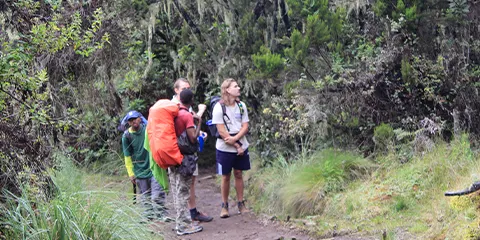
Trekking through the Crater Highlands offers a uniquely rewarding experience. The diverse landscapes, ranging from barren volcanic landscapes to lush valleys, provide breathtaking scenery at every turn. Several trekking routes exist, catering to varying skill levels and preferences. A guided trek is highly recommended, as it ensures safety and provides valuable insights into the geology, ecology, and history of the region. These guided adventures frequently provide unparalleled views of Kilimanjaro's peaks, offering a perspective unmatched by the more conventional summit ascents. The experience is as much about the journey as it is the destination.
In conclusion, the Crater Highlands of Kilimanjaro represent a remarkable and often overlooked aspect of this iconic mountain. Exploring this area offers a deep appreciation for the powerful geological forces that shaped the landscape and the remarkable biodiversity that thrives within it. It’s a journey into the heart of a unique ecosystem, offering an experience far exceeding a simple mountain climb.