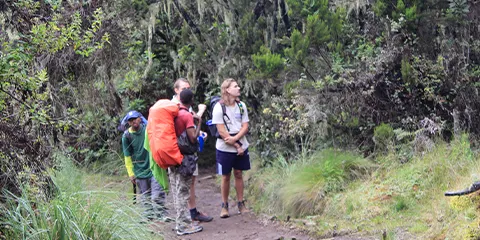
Conquering Mount Kilimanjaro, Africa's highest peak, is a monumental achievement demanding rigorous training for a successful and safe climb. This isn't a sprint; it's an endurance test that necessitates months of preparation focusing on building stamina, strength, and acclimatization. Ignoring the training aspect can lead to altitude sickness and jeopardize your entire expedition.
Building Your Base: Cardiovascular Fitness
The foundation of your Kilimanjaro training lies in establishing a strong cardiovascular system. Hiking at high altitudes places immense strain on your heart and lungs. Therefore, before even considering altitude training, dedicate yourself to consistent cardio exercises. Start with activities you enjoy, whether it's running, cycling, swimming, or brisk walking. Gradually increase the duration and intensity of your workouts. Aim for at least four to five sessions per week, incorporating interval training – alternating between high-intensity bursts and periods of recovery – to mimic the fluctuating terrain you'll encounter on the mountain. This approach improves your body's ability to efficiently deliver oxygen to your muscles, crucial at higher altitudes.
Increasing Intensity and Duration
Don't jump into marathon training overnight. Begin with manageable sessions and progressively overload your system. Increase the duration of your workouts by 10-15% each week and gradually increase the intensity. You should be able to hold a conversation while exercising, indicating a moderate intensity. If you're struggling to breathe, slow down. Listen to your body and adjust accordingly. As your fitness improves, introduce hill training to simulate the uphill climbs you’ll experience on Kilimanjaro. Find a local hill or incline and repeatedly climb and descend it, carrying a weighted backpack to further challenge your endurance.
Strength Training: Power Through the Climb
While cardiovascular fitness is paramount, strength training is equally essential for a successful Mount Kilimanjaro Adventure. The arduous trek necessitates strong legs, core, and back muscles to support your body's weight, carry your pack, and navigate uneven terrain. Focus on compound exercises that work multiple muscle groups simultaneously, such as squats, lunges, deadlifts, and planks. These exercises build functional strength directly applicable to the physical demands of the climb.
Incorporating Weight Training
Two or three strength training sessions per week are ideal. Start with lighter weights and gradually increase the weight as you get stronger. Proper form is crucial to prevent injuries, so consider working with a trainer initially to learn the correct techniques. Aim for 8-12 repetitions of each exercise, performing 2-3 sets. Remember to incorporate rest days into your training schedule to allow your muscles to recover and rebuild.
Altitude Acclimatization: Mimicking the Mountain
Acclimatizing to altitude is arguably the most crucial aspect of Kilimanjaro training. Your body needs time to adjust to the decreasing oxygen levels at high altitudes. While you can't perfectly replicate the conditions of Kilimanjaro, you can implement strategies to improve your body's adaptation. This includes incorporating altitude simulation techniques through altitude training masks or spending time at higher elevations if possible.
Altitude Simulation and Hiking
Even short hikes at moderately high altitudes can make a difference. Weekend trips to mountainous areas where you can gradually increase the altitude will be particularly beneficial. Remember that the key is gradual ascent; avoid sudden changes in altitude. This slow and steady approach allows your body to naturally adapt, minimizing the risk of altitude sickness.
Hydration and Nutrition: Fueling Your Ascent
The final, yet crucial element of your Kilimanjaro training revolves around proper hydration and nutrition. Maintaining sufficient hydration is critical at high altitudes where dehydration sets in more quickly. Practice consuming ample fluids daily, especially during and after your workouts. Furthermore, focus on a balanced diet rich in carbohydrates for energy, proteins for muscle repair, and healthy fats for overall health. Practice consuming the type of high-energy foods you'll be taking on the climb to ensure your digestive system can cope with them.
Practice Makes Perfect
The key to a successful Kilimanjaro climb lies in thorough preparation and consistent training. By focusing on building cardiovascular fitness, strength, acclimatizing to altitude, and maintaining proper hydration and nutrition, you significantly increase your chances of reaching the summit safely and enjoying the incredible experience of conquering this majestic mountain. Remember to consult your doctor before beginning any new training regimen.