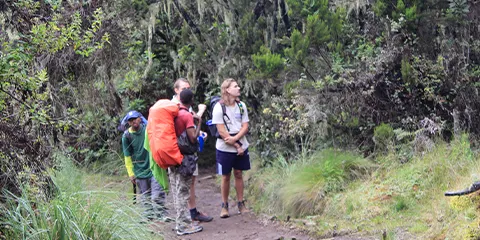
Conquering Mount Kilimanjaro, the roof of Africa, demands meticulous preparation. A significant component of this preparation is assembling the perfect arsenal of Kilimanjaro climbing gear. The difference between a triumphant summit and a perilous, potentially life-threatening descent often hinges on the quality and appropriateness of your equipment. This comprehensive guide delves into the essential items you'll need for a safe and rewarding Kilimanjaro climbing experience, ensuring you're well-prepared to tackle the diverse and challenging conditions of this iconic mountain.
Layering for Success: Mastering Kilimanjaro's Microclimates
Kilimanjaro's capricious weather is legendary, capable of shifting from blazing sunshine to freezing blizzards in a matter of hours. This unpredictable environment necessitates a layered clothing system—the cornerstone of effective Kilimanjaro climbing gear. The principle is simple: adaptable layers allow you to adjust your clothing to match the ever-changing conditions, preventing overheating and hypothermia.
Begin with base layers that excel at wicking moisture away from your skin. Merino wool or high-performance synthetic fabrics are ideal choices, far superior to cotton which retains moisture, leading to discomfort and increasing the risk of hypothermia. Over these base layers, add insulating mid-layers such as fleece jackets or lightweight down jackets. These provide crucial warmth without adding excessive bulk. Your outer shell should consist of a waterproof and windproof jacket and trousers, capable of withstanding rain, snow, and high winds – crucial elements in your Kilimanjaro climbing gear.
Choosing the right headwear is equally important. A warm, preferably fleece-lined hat is essential for retaining body heat, while a lightweight sun hat offers protection from the intense equatorial sun at lower altitudes. Similarly, consider multiple pairs of gloves—lightweight liner gloves for warmer conditions and thicker, insulated gloves for freezing temperatures. Never underestimate the significance of warm socks; wool or synthetic blends are recommended for their moisture-wicking and insulating properties. Bring plenty of pairs to change into regularly, ensuring dry, warm feet throughout your ascent.
Footwear: The Foundation of Your Kilimanjaro Expedition
Your feet will endure considerable strain during your Kilimanjaro climb, making appropriate footwear a critical element of your Kilimanjaro climbing gear. Invest in high-quality, well-broken-in hiking boots that provide excellent ankle support and are fully waterproof. These boots should be comfortable and already well-worn before you begin your trek; avoid breaking in new boots on the mountain. Pack several pairs of thick, comfortable, and ideally wool or synthetic socks to change into frequently, keeping your feet dry and minimizing the risk of blisters.
Gaiters are a valuable addition to your Kilimanjaro climbing gear, protecting your ankles and lower legs from debris, mud, and moisture. They prevent stones and other small particles from entering your boots, reducing discomfort and potential injury. Remember, well-maintained and appropriate footwear is crucial for the success and safety of your climb.
Essential Gear: Safety and Survival on Kilimanjaro
Beyond clothing and footwear, essential safety and survival items constitute a significant part of your Kilimanjaro climbing gear. A high-quality headlamp with extra batteries is vital for navigating in the dark, especially during early morning ascents and late-night descents. Sunglasses and sunscreen with a high SPF are critical to protect your eyes and skin from the intense ultraviolet radiation at high altitudes. Lip balm with SPF is equally important to prevent chapped lips.
Trekking poles offer invaluable support, reducing strain on your knees and legs, particularly during steep ascents and descents. Choose lightweight but sturdy poles that are adjustable to suit your height. A robust backpack with a comfortable fit is essential for carrying all your gear; consider a hydration pack to ensure easy access to water throughout the climb. Water purification tablets or a filter are crucial for ensuring a safe and reliable supply of drinking water.
Optional but Highly Recommended Kilimanjaro Climbing Gear
While not strictly essential, several items can significantly enhance your comfort and enjoyment. A high-quality sleeping bag rated for temperatures well below freezing is a worthwhile investment, even if your tour operator provides one. The quality and warmth of provided sleeping bags can vary, and having your own ensures a comfortable night's rest. A small first-aid kit containing essential medications and supplies is crucial, and you should always consult your doctor before your trip regarding altitude sickness medication.
Consider bringing a camera to capture the breathtaking scenery, though remember to protect it from the cold and elements. Moisturizing cream and lip balm are beneficial for combating dry air at high altitudes. Finally, personal items like a small book or journal can provide comfort and entertainment during downtime. Careful consideration of optional items adds another layer of preparedness to your Kilimanjaro climbing gear.
Planning your Kilimanjaro climbing gear requires meticulous attention to detail. Prioritizing quality, versatility, and functionality will significantly enhance your chances of a successful and memorable summit. Remember to check with your tour operator for specific recommendations and any gear they provide. Thorough preparation is paramount for a safe and rewarding Kilimanjaro climb, transforming a challenging expedition into a truly unforgettable experience.