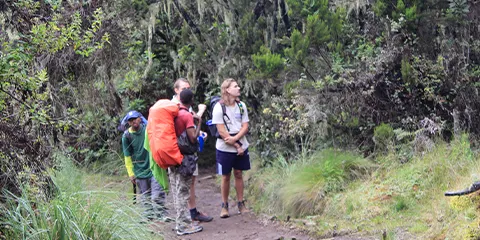
Climbing Mount Kilimanjaro is a bucket-list item for many, and the desire to conquer this majestic peak doesn't diminish with age. If you're over 50 and dreaming of tackling Kilimanjaro, you’re not alone. This incredible challenge is achievable at any age with the right preparation and planning. This article addresses the specific considerations for those over 50 planning this incredible journey.
Preparing Your Body for the Challenge
Reaching the summit of Kilimanjaro requires a significant level of physical fitness. While age may present some unique challenges, it doesn't preclude success. For those over 50 dreaming of Mount Kilimanjaro, building stamina and endurance is crucial. This isn't about becoming a marathon runner; it's about developing the strength and endurance needed for several days of hiking at altitude.
Start with a realistic fitness assessment. Consult your doctor to get a medical clearance and discuss any pre-existing conditions that might impact your climb. A gradual training regimen is key. Begin with shorter, easier hikes, gradually increasing the distance and elevation gain. Include regular cardio workouts, such as walking, cycling, or swimming, to boost your cardiovascular fitness. Strength training, especially focusing on legs and core, is essential for stability and endurance on the mountain trails.
Choosing the Right Kilimanjaro Route and Operator
The various routes up Kilimanjaro offer varying levels of difficulty. For climbers over 50 dreaming of Mount Kilimanjaro, opting for a less strenuous route, such as the Rongai or Marangu route, might be advisable. These routes tend to have a more gradual ascent, reducing the risk of altitude sickness.
Selecting a reputable tour operator is paramount. A good operator will provide experienced guides, porters, and support staff. They should also be well-versed in managing altitude sickness and addressing the specific needs of older climbers. Thoroughly research potential operators, read reviews, and look for companies that prioritize safety and the well-being of their clients.
Acclimatization is Key
Altitude sickness is a real concern on Kilimanjaro, and it's even more critical for older climbers. Proper acclimatization is not optional; it's essential. This means taking your time, allowing your body to adjust to the decreasing oxygen levels at higher altitudes. Avoid rushing the ascent. A slower, more gradual climb significantly reduces the risk of altitude sickness. Your chosen tour operator should incorporate plenty of rest days into the itinerary to facilitate proper acclimatization. This is especially important for those over 50 dreaming of Mount Kilimanjaro.
Mental Preparation: The Power of Mindset
The mental aspect of climbing Kilimanjaro should not be underestimated. It's a challenging journey, both physically and mentally. For those over 50 dreaming of Mount Kilimanjaro, maintaining a positive mindset is vital. Building mental resilience through practices like mindfulness or meditation can greatly enhance your ability to persevere through difficult moments. Remember, completing the climb is a testament to your strength and determination. Embrace the challenges, celebrate your successes along the way, and focus on the incredible achievement you'll accomplish.
Climbing Kilimanjaro is a significant undertaking at any age. But for those over 50 dreaming of Mount Kilimanjaro, careful planning, preparation, and the right support can transform this dream into a remarkable reality. Prioritizing your health, choosing the right route and operator, and maintaining a positive mindset will increase your chances of reaching the summit and enjoying the incredible experience of a lifetime.