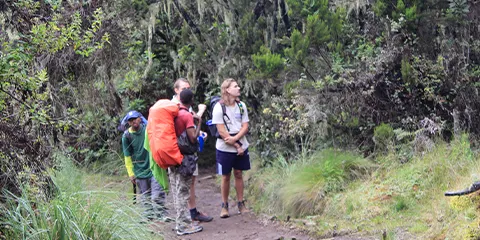
Climbing Mount Kilimanjaro is a bucket-list adventure for many, but the experience extends beyond conquering the roof of Africa. The journey offers incredible opportunities to encounter diverse wildlife on Kilimanjaro tours. While the summit itself is above the tree line and largely devoid of animal life, the lower slopes and surrounding areas teem with fascinating creatures.
Mammals of the Kilimanjaro Slopes
The lower altitudes of Kilimanjaro, particularly within the lush rainforests and diverse landscapes, provide habitat for a variety of mammals. You're likely to spot various primate species. Colobus monkeys, with their distinctive black and white fur, are a common sight, often seen swinging through the trees. Other primates, such as blue monkeys, may also be encountered, though sightings are not guaranteed.
Beyond primates, several antelope species roam the foothills. Keep an eye out for bushbucks, known for their shy nature and elusive habits. Their reddish-brown coats help them blend seamlessly into the undergrowth. Depending on the route and time of year, you might also be fortunate enough to glimpse other antelope like the dik-dik, a tiny, graceful creature.
Nocturnal Encounters and Other Wildlife
While daytime wildlife viewing is the focus, remember that Kilimanjaro's ecosystem thrives at night too. You might catch a glimpse of nocturnal animals like genets or civets if you’re lucky enough to be on a guided night walk. These elusive creatures are rarely seen but add to the overall thrill of exploring the mountain's diverse ecosystem. Keep in mind that these sightings are less predictable than daytime encounters.
Beyond the larger animals, a plethora of smaller creatures inhabit Kilimanjaro's slopes. Various species of rodents, insects, and reptiles contribute to the mountain's rich biodiversity. While you might not be actively seeking these smaller animals, their presence adds to the incredible array of wildlife on Kilimanjaro tours.
Avian Adventures: Birds of Kilimanjaro
The diverse habitats along Kilimanjaro's slopes support a wide variety of bird species. Keen birdwatchers will appreciate the opportunity to spot various sunbirds, known for their vibrant plumage and nectar-feeding habits. Eagles often soar above the landscape, offering a majestic sight against the backdrop of the mountain. Different species of birds will be encountered depending on the altitude and vegetation zone.
Respecting the Wildlife: An Important Note
It's crucial to remember that Kilimanjaro is a protected ecosystem. Respect for the wildlife on Kilimanjaro tours is paramount. Maintain a safe distance from animals, refrain from feeding them, and follow the guidelines provided by your tour guides to minimize your impact on the environment. Responsible wildlife viewing ensures that future generations can enjoy these incredible creatures.
Planning Your Kilimanjaro Wildlife Viewing
The best time to increase your chances of spotting wildlife is during the dry seasons, typically between June and October and December to March. The vegetation is less dense, making animals easier to spot. Your chances of encountering specific species are heavily dependent on the route taken and the altitude reached. Consulting with experienced tour operators is highly recommended to maximize your chances of witnessing the mountain's fascinating fauna. Remember that while certain animals are more likely to be seen than others, the unpredictable nature of wildlife means no guarantees can be made. The thrill of the unexpected is part of the adventure.