Can I hike to the summit of Mount Kilimanjaro without being a seasoned mountaineer? 2026
Climbing Mount Kilimanjaro doesn’t require mountaineering experience. Learn how anyone with physical fitness and determination can summit the peak.
Hiking to the summit of Mount Kilimanjaro doesn’t require prior mountaineering experience. With the right physical preparation, mental strength, and proper acclimatization, anyone with basic fitness levels can attempt the climb. This guide covers essential tips, gear, routes, and FAQs for a successful summit.
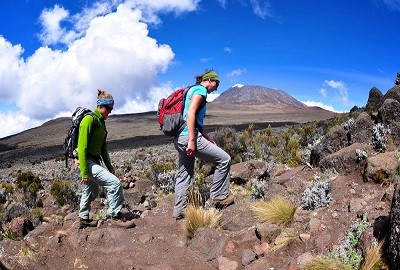
Can I Hike to the Summit of Mount Kilimanjaro Without Being a Seasoned Mountaineer?
Mount Kilimanjaro, standing tall at 5,895 meters (19,341 feet) above sea level, is one of the most sought-after trekking destinations in the world. As Africa's highest peak, it lures adventurers from every corner of the globe, eager to challenge themselves and witness breathtaking views from the top. The idea of conquering such a monumental mountain can spark both excitement and apprehension, especially for those who are not seasoned mountaineers. But the question arises: Can a person without mountaineering experience successfully hike to the summit of Kilimanjaro? The simple answer is yes. However, like any major physical challenge, it requires adequate preparation, mental determination, and a good level of physical fitness. This article delves into the journey, answering key questions about how even non-experienced climbers can ascend this magnificent peak.
The Mount Kilimanjaro Trek: A Non-Technical Climb
What makes Mount Kilimanjaro so unique is that it does not require advanced technical climbing skills, unlike many of the world’s other high peaks. This is a non-technical climb, meaning it involves no rock climbing, ice climbing, or the use of specialized mountaineering equipment like ice axes or crampons. The trek is, in essence, a long and challenging hike, taking climbers through various terrains such as tropical rainforests, alpine meadows, and barren volcanic landscapes as they make their way to the summit. However, despite its non-technical nature, climbing Kilimanjaro is still a physically demanding task. The ascent is steep in some places, and the thin air as you rise in altitude can make each step feel more laborious. Therefore, while you do not need to be a seasoned mountaineer, it is important to be prepared for the challenges the trek presents, both physically and mentally. With the proper training, acclimatization, and mindset, anyone with moderate physical fitness can attempt to summit this towering giant.
Physical Fitness: Essential but Not Extreme
One of the most important factors in determining whether you can hike Mount Kilimanjaro is your physical fitness. While it is not necessary to be a professional athlete or an experienced mountaineer, a solid foundation of physical conditioning is crucial to the success of the trek. The hike involves long days of walking, often up steep inclines, at high altitudes, so you will need good cardiovascular endurance, leg strength, and stamina. You don’t need to run marathons or lift heavy weights, but you should focus on building general endurance through aerobic exercises like running, cycling, or swimming. Additionally, it is important to strengthen your legs with activities such as hiking with a weighted backpack, stair climbing, or using leg press machines. If you can prepare your body to handle several hours of physical exertion each day while carrying a daypack, you will be in a much better position to tackle Kilimanjaro. While the trek is demanding, most people who are reasonably fit and dedicated to their training can complete it successfully. But remember, it’s not just about fitness; having the right mental attitude is just as important to enduring the challenges along the way.
Acclimatization: The Key to Summit Success
Perhaps the most critical challenge of summiting Kilimanjaro is adjusting to the altitude. As you climb higher, the air becomes thinner, and the amount of oxygen in the atmosphere decreases, which can cause symptoms of altitude sickness. This is particularly important for non-experienced climbers who may not be accustomed to high-altitude trekking. Altitude sickness can affect anyone, regardless of their fitness level, and it can present as headaches, nausea, dizziness, and general fatigue. Therefore, acclimatization is crucial to avoid these issues and ensure a safe summit. Fortunately, Kilimanjaro’s routes are designed to give climbers ample time to acclimate, and most trekkers will have multiple days to rest and adjust to the thinner air at various camps along the way. However, climbers should also be mindful of the signs of altitude sickness and take proactive steps to prevent it, such as staying well-hydrated, avoiding alcohol, and eating high-calorie meals. It is also important to pace yourself, ascending slowly and taking rest days at higher altitudes. Though seasoned mountaineers may have an advantage, anyone who takes their time to acclimate properly will increase their chances of summiting successfully.
Choosing the Right Route
One of the most significant decisions to make when planning your Kilimanjaro trek is selecting the right route. There are several options, each with different levels of difficulty, duration, and opportunities for acclimatization. Some routes are steeper and faster, while others offer a more gradual ascent and extended time for adjustment. For non-experienced climbers, choosing a route with a slower, more gradual incline and more time for rest days can significantly increase your chances of success. Popular routes like the Lemosho, Machame, and Northern Circuit are recommended for those who are relatively new to trekking because they provide more time to adjust to the altitude and tend to have less demanding paths. On the other hand, the Marangu route is known for being more direct, which can make it harder to acclimatize properly. This route may be more challenging for climbers without mountaineering experience. The right route will depend on your personal preferences, physical fitness, and how much time you can dedicate to the trek. A guide or tour operator can help you make the best choice based on your needs.
The Importance of a Guide
Climbing Kilimanjaro without a seasoned guide is not only dangerous but also not allowed. All climbers must be accompanied by a licensed guide and porter. While many of Kilimanjaro’s routes are well-established, it’s still essential to have an experienced guide to help you navigate the mountain. Guides have extensive knowledge of the mountain’s conditions, from the changing weather to potential dangers like altitude sickness. They are also trained to recognize the early signs of altitude-related illnesses and can make crucial decisions regarding rest, descent, or evacuation if needed. Additionally, guides ensure that climbers maintain the proper pace and follow the correct route, which is vital for minimizing the risks associated with the climb. While hiring a guide is an extra cost, it is an essential part of the Kilimanjaro experience, providing safety and invaluable expertise. Moreover, the support from a team of porters, cooks, and guides makes the journey much smoother and more enjoyable, especially for first-timers.
Gear and Equipment: No Need for Specialized Climbing Gear
One of the benefits of hiking Mount Kilimanjaro compared to other peaks is that it does not require specialized mountaineering gear. Unlike technical climbs, where you may need ropes, harnesses, and climbing shoes, the Kilimanjaro trek is mostly about trekking with the right clothing and equipment for high-altitude hiking. The gear you’ll need includes sturdy hiking boots, layers of clothing for warmth, a good-quality sleeping bag, a headlamp, and a daypack. The key to success lies in layering your clothes so you can adjust to the fluctuating temperatures as you ascend. Many climbers also recommend bringing trekking poles, which can help with stability on the steeper, rocky sections of the trail. While you may need to purchase or rent items like a high-quality jacket or warm gloves, there is no need for the specialized technical gear that mountaineers use on more advanced climbs. Most trekking companies offer gear rental options for the necessary equipment, so you can focus on training and mental preparation instead of worrying about investing in expensive mountaineering tools.
Mental Preparation: Perseverance Is Key
While physical fitness and acclimatization are critical for summiting Mount Kilimanjaro, mental strength is equally important. The trek is not just about enduring the physical challenges; it’s also about having the perseverance to keep going when the going gets tough. The final push to the summit, especially the last part of the climb, is demanding, with freezing temperatures, high altitudes, and exhaustion setting in. This is where mental preparation comes in. Many climbers find themselves questioning their abilities when the summit seems distant or when their body feels fatigued, but it’s the mental determination to push through these moments that makes the difference. Staying positive, visualizing the summit, and having a clear reason for why you’re climbing can help you maintain focus and push through the difficult moments. Having a good support team, including your guide and fellow trekkers, also helps to keep you motivated, reminding you that the summit is within reach. In many ways, the summit of Kilimanjaro is just as much a mental achievement as it is a physical one.
Frequently Asked Questions (FAQs)
Do I need mountaineering experience to summit Kilimanjaro?
No, you do not need prior mountaineering experience to summit Mount Kilimanjaro. The climb is non-technical, meaning no advanced climbing skills are necessary. However, you should be physically fit, mentally prepared, and committed to acclimatization to succeed.
How fit do I need to be to hike Kilimanjaro?
While you don’t need to be a top athlete, you should have a good level of fitness. Training should focus on endurance, leg strength, and stamina. Regular aerobic exercises and hiking with a weighted backpack will help prepare your body for the physical demands of the trek.
How long does it take to summit Kilimanjaro?
The duration of the trek depends on the route you choose, with most treks taking between 5 to 9 days. Longer routes, such as Lemosho and Northern Circuit, provide more time for acclimatization, which is important for success. Each day on the trek involves several hours of hiking and staying at various camps along the way.
Is it safe to hike Kilimanjaro without mountaineering experience?
Yes, it is safe to hike Kilimanjaro as long as you are physically fit, mentally prepared, and follow the guidance of an experienced guide. All climbers are required to hire a licensed guide, ensuring safety throughout the trek.
Can I hike Kilimanjaro with no prior hiking experience?
While prior hiking experience is not mandatory, it’s beneficial to prepare by regularly engaging in physical activity. Building endurance and strength through walking, hiking, or other aerobic exercises will help ensure a successful and enjoyable climb.
What should I bring for the trek?
Essential gear includes sturdy hiking boots, warm layers of clothing, trekking poles, gloves, a headlamp, and a sleeping bag. High-altitude gear such as warm jackets, hats, and gloves will be necessary. Most trekking companies offer gear rental options, so you don’t need to invest in expensive equipment.
Conclusion
In conclusion, summiting Mount Kilimanjaro is achievable for anyone in good health and physical condition, even without being a seasoned mountaineer. While the climb is physically demanding and presents challenges, especially related to altitude, the trek is non-technical and can be completed with the right preparation, acclimatization, and mental fortitude. By training adequately, choosing the right route, and following the guidance of expert guides, climbers of various experience levels can reach the summit and experience the unforgettable achievement of standing atop the highest point in Africa. Your Kilimanjaro journey may be one of the toughest challenges of your life, but with determination, perseverance, and the proper support, it can also be one of the most rewarding.
BURIGI CHATO SAFARIS
Request Your Enquiry Now!
Why Book With Us? - Burigi Chato Safaris
Burigi Chato Safaris is a trusted and experienced tour operator specializing in unforgettable safari experiences across Tanzania. Here’s why we are your best choice:
Our knowledgeable and highly trained guides ensure an immersive and informative safari experience, sharing deep insights into Tanzania’s wildlife and landscapes.
We offer customized safari experiences, ranging from budget camping to mid-range lodges and luxury safaris, designed to match your preferences.
Our dedicated team is available round the clock to assist with trip planning, bookings, and any inquiries during your safari.
Enjoy exclusive game drives, cultural interactions with the Maasai, and off-the-beaten-path experiences that showcase Tanzania’s hidden gems.
We are committed to responsible tourism, supporting conservation efforts and empowering local communities.
Book your safari with Burigi Chato Safaris and explore Tanzania’s breathtaking wildlife and landscapes with a trusted safari expert!