Do I need crampons or ice axes for climbing Kilimanjaro? 2026
Wondering if you need crampons or ice axes for climbing Kilimanjaro? Learn when these tools might be necessary and how to prepare for your climb.
While crampons and ice axes are essential for some mountaineering conditions, they're typically not required on most Kilimanjaro routes. This article explores the terrain of Kilimanjaro, when crampons and ice axes may be necessary, and how to prepare for summit day. It also answers FAQs and offers tips for a safe, enjoyable climb.
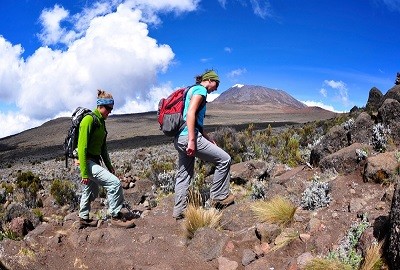
Do I Need Crampons or Ice Axes for Climbing Kilimanjaro?
Climbing Mount Kilimanjaro is an incredibly thrilling and challenging adventure, attracting climbers from all over the world. Many of them wonder whether they need technical equipment such as crampons or ice axes in order to successfully reach the summit. While these tools are essential in certain mountaineering conditions, they are not typically necessary for the majority of Kilimanjaro climbers. The key to understanding whether you need crampons or an ice axe depends largely on the climbing route you choose, the time of year, and the specific conditions you encounter while on the mountain. The terrain of Kilimanjaro is incredibly diverse, with multiple climatic zones that feature everything from tropical rainforests to barren, icy summit landscapes. Let’s explore in more detail when and why these tools might be needed, and when they are unnecessary, so that you can make an informed decision when preparing for your climb.
The Terrain of Mount Kilimanjaro
Mount Kilimanjaro features an incredibly varied landscape, which climbers experience as they ascend. The journey begins with lush, tropical rainforests at the base, and as you continue upwards, the terrain gradually changes into moorlands, alpine deserts, and finally, the icy summit. At lower and middle elevations, the trails are generally well-maintained and manageable without requiring any specialized climbing tools. These sections consist mostly of rocky and dirt paths, which are less likely to be covered in ice or snow. However, as you approach the summit, the terrain becomes more challenging. At higher altitudes, particularly above 4,500 meters, climbers may encounter icy patches or snow. These icy sections are typically limited in size and are generally not steep enough to require technical gear like crampons or ice axes. Despite this, certain routes, particularly those on the upper reaches of the mountain, may have more technical terrain, requiring climbers to carefully consider their equipment needs. Understanding the route you will take and the weather conditions during your climb is essential when deciding whether or not to bring these tools. The choice of route and the current weather forecast should be your guiding factors in determining whether technical gear is required.
The Role of Crampons
Crampons are specialized metal spikes worn on the bottom of hiking boots to provide traction on icy surfaces. These tools are essential for climbing on steep, snow-covered slopes and glaciers, as they allow climbers to safely navigate slippery terrain. On Kilimanjaro, the necessity of crampons largely depends on the route and the season. For climbers ascending popular routes such as Machame, Marangu, or Rongai, crampons are generally not required. These routes are more focused on rocky, volcanic paths, and snow or ice patches are typically minimal. However, there are some areas on the final approach to the summit where icy or snow-covered terrain might appear, particularly if you're climbing during the rainy season or in unusually cold conditions. While these areas are not extensive enough to justify crampons for most climbers, it’s always wise to be prepared for unpredictable weather. For less-traveled routes such as the Western Breach, which involves steeper terrain, crampons might provide added traction, as some sections of the trail can be icy or slippery. When in doubt, always check with your tour operator or guide to confirm the need for crampons, as they can assess current conditions and make recommendations accordingly. Having a guide familiar with the terrain and weather patterns on Kilimanjaro can provide a significant advantage in determining the exact gear you’ll need.
The Role of Ice Axes
An ice axe is a vital mountaineering tool used to provide stability on icy terrain and to assist in "self-arresting" (stopping a fall) on steep or slippery surfaces. Ice axes are typically used in technical climbs on glaciers or on icy, steep slopes that require the climber to secure their position and prevent slips. On Kilimanjaro, the use of ice axes is generally not necessary. The standard routes, such as Machame and Marangu, do not feature extended sections of steep, icy climbs. The paths are primarily rocky and volcanic, making the use of an ice axe unnecessary for most climbers. However, certain routes such as the Western Breach, or during exceptionally cold weather conditions, climbers may encounter steeper, more technical sections where an ice axe could enhance safety. While it is unlikely that you will need an ice axe on the most popular routes, it’s still a good idea to be prepared for varying conditions, especially if climbing during the wet season or in unexpected cold snaps. For those unfamiliar with using an ice axe, it is essential to be trained or have guidance from experienced mountaineers to use it properly in case of emergency situations. Training in self-arrest techniques before embarking on your climb can give you peace of mind and safety should you need to use the ice axe for stability or emergency situations.
When Might You Need Crampons or Ice Axes?
There are certain circumstances where the use of crampons or an ice axe could be beneficial for your Kilimanjaro climb, even if they are not typically required. Climbers attempting to reach the summit during the coldest months of the year (usually June to October) may encounter more snow and ice than during warmer periods. During these times, parts of the summit day’s final ascent may involve icy or slippery sections that could justify the use of crampons for added safety and stability in these areas. In addition, climbers opting for more challenging and less-traveled routes, such as the Western Breach or Northern Circuit, may encounter technical terrain with more snow and ice coverage. These sections of the mountain are steeper and more exposed, requiring extra equipment for navigating the terrain safely. Climbers who embark on these routes should prepare for potentially more difficult conditions, which could involve using crampons or an ice axe for traction, balance, and emergency situations. Even in these cases, it’s best to consult with your guide to determine whether you’ll need these tools based on current conditions and their professional assessment. Consulting with your tour operator beforehand can help determine if these tools are necessary or if they are better left behind.
How Do Guides Handle These Tools?
One of the significant benefits of climbing Kilimanjaro with a licensed and experienced tour operator is the assistance you receive from professional guides. These guides are well-trained in navigating the mountain’s various terrains and will carry all necessary technical gear, including crampons and ice axes, if required. They are fully equipped to handle any icy or challenging sections of the trail and will provide instructions and support in the event that you need to use technical equipment. If you are climbing during a time when ice or snow is likely, the guides will assess the conditions and make a decision about whether to use these tools. In most cases, climbers will not need to worry about carrying these items themselves, as the guides are responsible for ensuring that all climbers have the necessary gear for safety and comfort. This means that climbers can focus on enjoying the climb and reaching the summit, knowing that the guide has all the technical tools in hand to keep the group safe during any challenges along the way. Having the added security of an experienced guide allows you to trust that your team is well-prepared for any terrain challenges you may encounter.
Preparing for the Summit
While crampons and ice axes are not typically required for climbing Kilimanjaro, the summit day presents its own challenges. This final ascent usually begins in the middle of the night, allowing climbers to reach the summit at sunrise. Temperatures at this time can be extremely cold, often dipping below freezing, with wind chills making it feel even colder. Even if there is no ice or snow on the trails, climbers will still need to be prepared for the frigid temperatures by packing essential cold-weather gear. It’s crucial to have well-insulated clothing, such as thermal jackets, windproof pants, insulated gloves, warm socks, and a hat, to protect against the freezing conditions. Additional items such as trekking poles can also provide stability on rocky or slippery sections. For most climbers, summit day is the most physically demanding part of the journey, and proper gear is essential to stay safe, warm, and focused on reaching the top. Remember that it is the cold, not the ice or snow, that can make the summit day so challenging, so ensuring you are well-equipped with warm clothing is key to your success. Proper preparation and understanding of summit day conditions are vital to make the final stretch of the climb successful and enjoyable.
What Should You Pack Instead?
Rather than focusing on technical climbing tools like crampons or ice axes, climbers should prioritize packing the essential gear that will help them safely and comfortably navigate Kilimanjaro’s terrain. Sturdy hiking boots, for example, are critical for stability and comfort on both the rocky lower sections and the icy upper slopes. A layered clothing system, consisting of moisture-wicking base layers, insulating mid-layers, and waterproof outer layers, will ensure that climbers can adapt to the mountain’s diverse climate. A hydration system and trekking poles are also essential for improving stability and helping climbers stay hydrated and supported during the long trek. These practical tools, combined with the guidance of an experienced tour operator, will allow climbers to fully enjoy the stunning landscapes of Kilimanjaro while keeping safety at the forefront. Though crampons and ice axes are sometimes required in extreme conditions, they are generally not part of the standard equipment for Kilimanjaro’s typical routes.
Frequently Asked Questions (FAQs)
Are crampons necessary for Kilimanjaro?
Generally, crampons are not required on Kilimanjaro’s standard routes such as Machame, Marangu, or Rongai. However, certain sections near the summit or on challenging routes like the Western Breach may feature icy terrain, where crampons could be helpful.
Do I need an ice axe for Kilimanjaro?
Ice axes are typically unnecessary for the majority of climbers on Kilimanjaro. Most of the routes are not steep enough to warrant their use. However, for more technical routes or extremely cold weather, it’s always best to consult your tour guide.
Can I rent crampons or ice axes for Kilimanjaro?
Yes, some tour operators offer the option to rent crampons and ice axes for climbers who may need them for certain sections of the climb. Check with your tour operator to confirm availability.
How cold is it at the summit of Kilimanjaro?
Temperatures at the summit can drop as low as -20°C (-4°F), especially during the night and early morning hours. Climbers must be prepared with high-quality cold-weather clothing to withstand these freezing temperatures.
Final Thoughts
In conclusion, while crampons and ice axes are essential tools for mountaineering in certain conditions, they are not typically necessary for most climbers on Kilimanjaro. By choosing the right route and preparing appropriately for the altitude, temperature changes, and terrain, climbers can ensure a safe and enjoyable experience without these technical tools. Always consult with your tour operator or guide before your climb to better understand what equipment you will need based on current conditions. Proper gear for warmth, hydration, and comfort is more important than carrying specialized climbing equipment for the majority of climbers on Kilimanjaro. With the right planning, your journey up the mountain will be a truly memorable experience.
BURIGI CHATO SAFARIS
Request Your Enquiry Now!
Why Book With Us? - Burigi Chato Safaris
Burigi Chato Safaris is a trusted and experienced tour operator specializing in unforgettable safari experiences across Tanzania. Here’s why we are your best choice:
Our knowledgeable and highly trained guides ensure an immersive and informative safari experience, sharing deep insights into Tanzania’s wildlife and landscapes.
We offer customized safari experiences, ranging from budget camping to mid-range lodges and luxury safaris, designed to match your preferences.
Our dedicated team is available round the clock to assist with trip planning, bookings, and any inquiries during your safari.
Enjoy exclusive game drives, cultural interactions with the Maasai, and off-the-beaten-path experiences that showcase Tanzania’s hidden gems.
We are committed to responsible tourism, supporting conservation efforts and empowering local communities.
Book your safari with Burigi Chato Safaris and explore Tanzania’s breathtaking wildlife and landscapes with a trusted safari expert!