How can I increase my chances of summiting Kilimanjaro? 2026
Boost your chances of summiting Kilimanjaro with proper physical training, acclimatization, mental preparation, and the right gear.
Increase your chances of reaching the summit of Mount Kilimanjaro by focusing on physical fitness, acclimatization, mental resilience, and choosing the right route. This guide covers essential tips, including training for endurance, preparing mentally for the challenge, and selecting proper gear to enhance your climb.
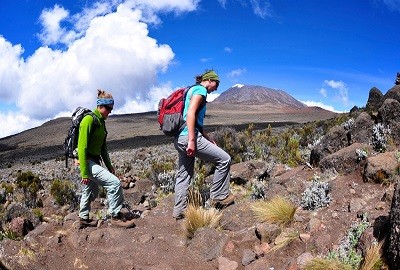
How Can I Increase My Chances of Summiting Kilimanjaro?
Summiting Mount Kilimanjaro is a dream for many adventure seekers and outdoor enthusiasts. Standing at 5,895 meters (19,341 feet), it is the highest mountain in Africa and one of the most iconic peaks in the world. Reaching the summit of Kilimanjaro is a monumental achievement that holds immense personal significance for those who make it. However, it's also a challenging feat that requires preparation, physical fitness, mental resilience, and a smart strategy. While Kilimanjaro is often considered a non-technical climb, the conditions and the altitude present significant hurdles. With the right approach and mindset, though, anyone can increase their chances of summiting this majestic peak. This article will explore effective ways to prepare for the trek and maximize your chances of successfully reaching the summit.
Physical Preparation: Build Your Endurance
Although you don’t need to be an elite athlete to summit Kilimanjaro, you do need to be in good physical condition to tackle the physical demands of the climb. The trek to the summit involves hiking for several days, often on steep and uneven terrain, and at high altitudes, where every step can feel more difficult. Training in advance is crucial to ensure that your body is ready for the long days of hiking and the varying conditions you'll face on the mountain.
First, focus on improving your cardiovascular fitness, as this is key for maintaining the stamina needed for hours of continuous hiking. Cardiovascular exercises such as running, cycling, swimming, and brisk walking are all excellent options to get your heart and lungs in shape. Aim for at least 30 minutes of moderate to intense cardiovascular exercise a few times a week.
Second, leg strength is another important area of focus. Kilimanjaro’s trails are often steep and rocky, so having strong legs will help you navigate the terrain with less fatigue. Incorporate strength training exercises, such as squats, lunges, step-ups, and calf raises, into your workout routine to build your lower body strength.
Another crucial part of your training is hiking practice. While you can train in the gym, nothing beats the experience of hiking outdoors, ideally on hills or mountains similar to what you will encounter on Kilimanjaro. Try to hike on different types of terrain, including rocky, uneven paths, to build your confidence and skill. Carry a backpack during your hikes to simulate the weight you’ll be carrying during the climb.
In addition, focus on building your overall stamina by gradually increasing the duration and intensity of your hikes over several months. The more prepared your body is, the better you’ll handle the demands of the summit climb.
Acclimatization: Avoid Altitude Sickness
Altitude sickness is one of the most common issues faced by trekkers on Mount Kilimanjaro. As you ascend, the air becomes thinner, and the oxygen levels decrease, which can lead to a variety of symptoms, including headaches, dizziness, nausea, and shortness of breath. While the trek is considered non-technical, the high altitude is still a major factor that can make or break your summit attempt. To increase your chances of success, proper acclimatization is essential.
One of the most effective ways to acclimatize is to choose a route that allows for a slower ascent, giving your body more time to adjust to the changing altitude. Routes like the Lemosho and Northern Circuit are ideal for this because they are longer and provide more time for proper acclimatization compared to faster, shorter routes like Marangu. A longer trek means you’ll have more opportunities to rest, hydrate, and allow your body to adjust to the increasing altitude.
In addition to choosing a longer route, it’s important to follow the “climb high, sleep low” rule. This involves hiking to higher altitudes during the day but returning to a lower altitude to sleep. This technique helps your body gradually adapt to the higher elevations without overwhelming it all at once.
Another crucial aspect of acclimatization is taking rest days along the way. Many trekking routes incorporate designated rest days where you can relax, hydrate, and allow your body to recover before moving to higher altitudes. These days are especially important to reduce the risk of altitude sickness, as they allow your body time to adjust to the changes in oxygen levels.
Maintaining hydration is also key during acclimatization. At high altitudes, it’s easy to become dehydrated due to the dry air and increased physical exertion. Drink plenty of water throughout the day and eat energy-rich foods that will help sustain your energy levels. Being properly nourished and hydrated will ensure that your body can handle the stress of higher altitudes.
Choose the Right Route for Your Experience
There are several different routes you can take to reach the summit of Kilimanjaro, each with its own unique characteristics, difficulty level, and pace. Choosing the right route for your experience and fitness level is crucial for improving your chances of a successful summit. Some routes offer more time for acclimatization, while others are quicker but come with a faster ascent and fewer opportunities for adjusting to the altitude.
The Lemosho Route is one of the most popular choices for climbers, especially those who are relatively new to mountain trekking. This route offers a gradual ascent, plenty of time for acclimatization, and stunning scenery along the way. The Lemosho route is longer, typically taking 7 to 8 days, but this added time helps you acclimatize, reducing the chances of altitude sickness.
The Northern Circuit Route is another great option for climbers who want an even more remote experience. This route encircles the mountain, offering 360-degree views and more solitude than the more crowded routes. Like the Lemosho route, it’s a longer climb that gives you more time to acclimatize, but it’s also a more challenging trek due to its length.
The Machame Route is another popular choice that offers beautiful views but is considered more challenging due to its steeper terrain. It’s a good option for climbers who are more experienced and prepared for a faster ascent. However, because it is steeper and less gradual than routes like Lemosho or Northern Circuit, it may require a higher level of fitness and stamina.
The Marangu Route, often referred to as the "Coca-Cola Route," is considered the easiest, as it has a more gradual ascent and offers hut accommodations along the way. However, it is faster, meaning you don’t have as much time for acclimatization, which can increase the risk of altitude sickness. It is less scenic and can be crowded during peak seasons.
When choosing a route, consider your physical fitness, experience level, and the amount of time you have. Opt for a route that will provide you with enough time to acclimatize and that suits your preferences for scenery and difficulty.
Mental Preparation: Strengthen Your Mindset
While physical training and acclimatization are essential, mental preparation is just as important when it comes to summiting Kilimanjaro. The climb can be grueling, especially in the final stages when fatigue, altitude, and harsh weather conditions set in. Your mindset will play a pivotal role in helping you persevere through tough moments and keep moving toward your goal.
One of the best ways to mentally prepare is by setting clear, realistic goals before you start the trek. Visualize yourself reaching the summit and imagine the sense of accomplishment that comes with standing at the highest point in Africa. Having a strong sense of purpose will help keep you motivated when you start to feel physically drained.
Maintaining a positive attitude throughout the climb is also essential. There will inevitably be moments when you feel tired or overwhelmed. During these moments, try to focus on the small victories, such as reaching a checkpoint or getting through a difficult section of the trail. Celebrate each milestone along the way, no matter how small, to help keep your spirits high.
Be prepared for setbacks as well. Not everything will go as planned on a climb like this, and you may experience unexpected challenges such as altitude sickness, fatigue, or bad weather. Staying calm, focused, and flexible will help you adapt to these challenges. One of the most important mental strategies is to take things one step at a time, focusing on the present moment rather than the long climb ahead.
Breathing techniques, like deep breathing or mindfulness exercises, can help you stay calm, reduce stress, and maintain your focus throughout the climb. By strengthening your mental resilience, you’ll be better equipped to tackle the tough moments and push through when the going gets tough.
Hire an Experienced Guide
Hiring an experienced guide is one of the best ways to increase your chances of summiting Kilimanjaro. A qualified guide is not only skilled in navigating the mountain but is also trained to recognize and respond to the symptoms of altitude sickness, ensuring that your health is prioritized throughout the climb. Guides are experienced in all aspects of the trek, from route navigation to setting a proper pace and providing support during tough moments.
Experienced guides also know the best practices for acclimatization and can ensure that you follow the correct path and schedules for the best chances of success. They are also equipped to handle emergencies, whether it be altitude sickness or unexpected injuries. Having a knowledgeable guide on hand gives you peace of mind and allows you to focus on the climb, knowing that you are in safe hands.
Gear and Equipment: Make Sure You’re Prepared
Proper gear is essential for a successful Kilimanjaro climb. The right equipment will ensure your safety, comfort, and well-being throughout the journey. While the mountain doesn’t require technical climbing gear, it’s important to pack wisely to handle the varying temperatures and weather conditions you’ll face. Kilimanjaro’s climate can be unpredictable, ranging from tropical heat at the base to freezing cold at the summit, so dressing in layers and having the right gear is crucial.
Investing in quality gear will ensure that you are comfortable, safe, and prepared for whatever the climb may throw your way. Many trekking companies also offer gear rentals if you do not want to invest in high-end equipment.
Stay Hydrated and Eat Well
Maintaining proper hydration and nutrition throughout the climb is essential for energy and overall health. At higher altitudes, it is easy to become dehydrated due to the dry air and exertion. Dehydration can exacerbate symptoms of altitude sickness and sap your strength, so it’s vital to drink plenty of water, even if you don’t feel thirsty. Additionally, carry snacks that are rich in energy, such as trail mix, nuts, and energy bars, to keep your energy levels up during the trek.
In addition to water and food, consider using electrolytes to replace the minerals lost through sweat. Proper nutrition and hydration will help you maintain your strength, prevent fatigue, and give you the energy you need to reach the summit.
Conclusion
Reaching the summit of Mount Kilimanjaro is an incredible accomplishment that requires careful preparation, both physically and mentally. By training effectively, acclimatizing properly, and maintaining a positive mindset, you can significantly improve your chances of a successful summit. The key is to focus on gradual preparation and give your body the time it needs to adjust to the altitude and terrain. With the right route, guidance, gear, and mental resilience, you’ll be well on your way to standing at the top of Africa, enjoying the sense of achievement that comes with this once-in-a-lifetime adventure.
BURIGI CHATO SAFARIS
Request Your Enquiry Now!
Why Book With Us? - Burigi Chato Safaris
Burigi Chato Safaris is a trusted and experienced tour operator specializing in unforgettable safari experiences across Tanzania. Here’s why we are your best choice:
Our knowledgeable and highly trained guides ensure an immersive and informative safari experience, sharing deep insights into Tanzania’s wildlife and landscapes.
We offer customized safari experiences, ranging from budget camping to mid-range lodges and luxury safaris, designed to match your preferences.
Our dedicated team is available round the clock to assist with trip planning, bookings, and any inquiries during your safari.
Enjoy exclusive game drives, cultural interactions with the Maasai, and off-the-beaten-path experiences that showcase Tanzania’s hidden gems.
We are committed to responsible tourism, supporting conservation efforts and empowering local communities.
Book your safari with Burigi Chato Safaris and explore Tanzania’s breathtaking wildlife and landscapes with a trusted safari expert!