How can I prepare physically for climbing Mount Kilimanjaro? 2026
Kilimanjaro physical training guide. Build endurance, strength, and acclimatization fitness. Get ready for your Kili climb with targeted exercises.
Physical preparation for Kilimanjaro involves building endurance, strength, and acclimatization fitness. Focus on cardiovascular exercises like hiking, running, and cycling. Strength training for legs and core is crucial. Simulate altitude with high-altitude hikes if possible. Practice long hikes with a weighted pack. Start training several months before your climb. Consistency is key. Listen to your body and incorporate rest days. Proper physical preparation significantly increases your chances of a successful summit.
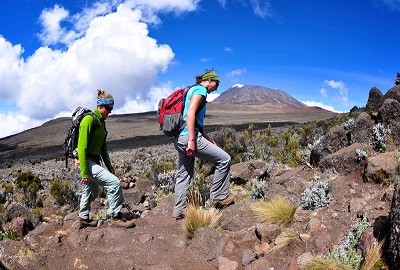
Physical Preparation for Kilimanjaro Climb
Climbing Mount Kilimanjaro is not just a mental challenge; it's a significant physical endeavor that demands meticulous preparation. This comprehensive guide delves into the key aspects of physical training, providing a detailed roadmap to ensure you're adequately prepared for the rigors of your Kilimanjaro ascent.
Key Aspects of Physical Preparation.
Cardiovascular Endurance.
Building cardiovascular endurance is crucial for Kilimanjaro. The prolonged nature of the climb, coupled with the decreasing oxygen levels at higher altitudes, places a significant strain on your cardiovascular system. Therefore, enhancing your body's ability to efficiently utilize oxygen is paramount. This involves activities that increase your heart rate and improve your body's ability to utilize oxygen. Engage in regular cardiovascular exercises such as hiking, running, cycling, and swimming. These activities should be performed at varying intensities and durations to mimic the demands of the climb. Regular exercises like hiking, running, cycling, and swimming are highly effective. Incorporate long-distance hiking with elevation gain, as this closely simulates the conditions on Kilimanjaro. Gradually increase the distance and elevation gain of your hikes to build your endurance and stamina.
Strength Training.
Strength training, particularly for your legs and core, is essential for navigating the varied terrain and carrying your backpack. The Kilimanjaro climb involves navigating steep ascents, rocky paths, and uneven terrain. Strong leg muscles are crucial for powering through these challenges, while a strong core provides stability and balance. Focus on exercises like squats, lunges, calf raises, and core workouts Incorporate compound exercises like squats and lunges, which engage multiple muscle groups simultaneously. Perform calf raises to strengthen your calf muscles, which are essential for navigating steep inclines. Engage in core workouts such as planks, crunches, and Russian twists to build core strength and stability. A strong core will also help with balance and stability A robust core provides a stable base, improving your balance and reducing the risk of falls, especially on challenging terrain.
Altitude Acclimatization Training.
While you can't perfectly simulate high altitude at sea level, you can prepare your body by doing high-altitude hikes if possible. If you have access to high-altitude areas, incorporate hikes at elevations similar to those you'll encounter on Kilimanjaro. This will allow your body to adapt to the reduced oxygen levels. If not, focus on long endurance hikes and gradually increase the distance and elevation gain. If high-altitude hikes are not feasible, focus on long-distance hikes with significant elevation gain. This will help your body adapt to prolonged physical activity and prepare you for the demands of the climb.This helps your body adapt to prolonged physical activity.The cumulative effect of these training hikes helps the body become more efficient at utilizing oxygen, improving your overall performance at high altitudes.
Hiking with a Weighted Pack: Simulating Real-World Conditions
Practice hiking with a weighted pack to simulate the conditions you'll experience on Kilimanjaro.Carrying a backpack for extended periods is a significant part of the Kilimanjaro climb. Training with a weighted pack allows you to adapt to the added weight and improve your endurance.Start with a light pack and gradually increase the weight as your strength and endurance improve.Begin with a light pack (5-10 lbs) and gradually increase the weight as you progress in your training. This will help your body adapt to carrying a load over extended periods without risking injury. This helps your body adapt to carrying a load over extended periods.Regular training with a weighted pack will strengthen your back, shoulders, and legs, preparing you for the physical demands of the climb.
Training Schedule and Considerations.
Start Early: Building a Solid Foundation
Begin your physical training several months before your climb. Starting early allows you to gradually build your fitness level, minimizing the risk of injury and burnout. Aim for at least 3-6 months of training, depending on your current fitness level. Consistency is key, and starting early allows you to gradually build your fitness level without risking injury. A structured training plan with gradual progression is essential for building a solid foundation of fitness.
Consistency and Rest.
Maintain a consistent training schedule, but also incorporate rest days to allow your body to recover. Consistency is crucial for building fitness, but rest is equally important for allowing your body to recover and adapt to the training. Overtraining can lead to injuries and burnout. Avoid overtraining by incorporating rest days into your training schedule. Listen to your body and adjust your training as needed.
Listen to Your Body: Heeding the Signals
Pay attention to your body's signals and adjust your training as needed.Your body will provide feedback on your training progress. Pay attention to any signs of fatigue, pain, or discomfort.Don't push yourself too hard, especially in the early stages of training. Gradually increase the intensity and duration of your workouts as your fitness improves. Avoid pushing yourself too hard, especially in the early stages of training, as this can lead to injury.
Frequently Asked Questions.
How often should I train for Kilimanjaro?
Aim for at least 3-5 days of training per week, including a mix of cardiovascular and strength exercises. Incorporate rest days to allow your body to recover.
How much weight should I carry in my practice hikes?
Start with a light pack (5-10 lbs) and gradually increase the weight to simulate the conditions on Kilimanjaro. Aim to carry a weight similar to what you'll be carrying on the mountain.
Can I prepare for Kilimanjaro without high-altitude hikes?
Yes, focus on building cardiovascular endurance and strength. Long hikes and weighted pack training can also help. However, if possible, even a weekend trip to a higher elevation area will provide some benefit.
Is strength training as important as cardiovascular training?
Yes, strength training is essential for navigating the terrain and carrying your pack. A combination of both is ideal.
What are the best cardiovascular exercises for Kilimanjaro training?
Hiking, running, cycling, and swimming are all excellent options. Choose activities you enjoy and that you can sustain over time.
Final Thoughts.
Physical preparation is a critical component of a successful Kilimanjaro climb. By focusing on cardiovascular endurance, strength training, and altitude acclimatization training, you can significantly increase your chances of reaching the summit. Start early, maintain consistency, and listen to your body. Remember, Kilimanjaro is a challenging but rewarding experience, and proper physical preparation will make it even more enjoyable. By preparing your body, you are preparing yourself to enjoy all that the mountain has to offer, and to make it to the summit. Your dedication to your training will translate to a more fulfilling and triumphant Kilimanjaro adventure.
BURIGI CHATO SAFARIS
Request Your Enquiry Now!
Why Book With Us? - Burigi Chato Safaris
Burigi Chato Safaris is a trusted and experienced tour operator specializing in unforgettable safari experiences across Tanzania. Here’s why we are your best choice:
Our knowledgeable and highly trained guides ensure an immersive and informative safari experience, sharing deep insights into Tanzania’s wildlife and landscapes.
We offer customized safari experiences, ranging from budget camping to mid-range lodges and luxury safaris, designed to match your preferences.
Our dedicated team is available round the clock to assist with trip planning, bookings, and any inquiries during your safari.
Enjoy exclusive game drives, cultural interactions with the Maasai, and off-the-beaten-path experiences that showcase Tanzania’s hidden gems.
We are committed to responsible tourism, supporting conservation efforts and empowering local communities.
Book your safari with Burigi Chato Safaris and explore Tanzania’s breathtaking wildlife and landscapes with a trusted safari expert!