How do I prepare for extreme weather on Mount Kilimanjaro? 2026
Prepare for extreme weather on Mount Kilimanjaro with the right gear, clothing, and acclimatization strategies to ensure a safe and successful climb.
Climbing Mount Kilimanjaro requires careful preparation for extreme weather. From the tropical rainforests to the freezing summit, knowing how to layer clothing, protect against wind and rain, and acclimatize to high altitudes is key. This guide covers essential tips for preparing for Kilimanjaro’s varying climate zones to ensure comfort and safety during your trek.
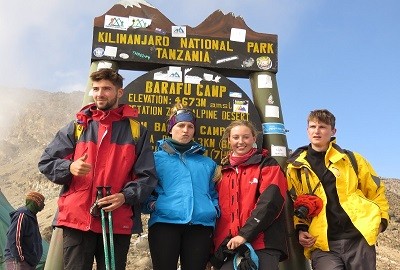
How Do I Prepare for Extreme Weather on Mount Kilimanjaro?
Climbing Mount Kilimanjaro presents a unique challenge due to the mountain's drastic climate changes as you ascend. Starting from the tropical rainforests at the base and reaching the freezing temperatures near the summit, it's essential to prepare for a variety of weather conditions. Understanding how to tackle the extreme weather changes will ensure a safe, comfortable, and successful climb. Proper gear, clothing, and a solid understanding of the climate zones are all necessary for handling the mountain’s varying weather.
Understanding Kilimanjaro's Climate Zones
Mount Kilimanjaro spans several distinct climate zones, each with its own set of weather patterns. At the base, you'll experience warm and humid tropical conditions, followed by cooler moorlands, alpine deserts, and finally, the freezing summit. These varying conditions require careful planning in terms of both gear and preparation. For climbers, understanding the different climate zones will help you know what to expect at each elevation and how to dress and adjust for the shifting temperatures.
Preparing for Temperature Drops
The biggest challenge climbers face on Kilimanjaro is the sharp drop in temperature as you approach the summit. At lower altitudes, you’ll experience warmer weather, but temperatures can drop dramatically as you climb. Near the summit, temperatures can reach as low as -20°C (-4°F), especially at night and early morning hours. It's essential to have high-quality, cold-weather gear, including insulated jackets, gloves, hats, and thermal socks. Layering your clothing will allow you to regulate your body temperature effectively, ensuring you stay warm when necessary but also cool enough during the lower-altitude portions of the climb.
Layering Your Clothing for Extreme Weather
One of the best ways to prepare for Kilimanjaro's extreme weather is through layering. A well-planned layering system includes a moisture-wicking base layer, an insulating mid-layer, and a waterproof or windproof outer layer. The base layer helps to regulate your temperature by wicking away moisture, while the mid-layer provides warmth. The outer layer shields you from the elements, keeping out wind, rain, and snow. It’s also crucial to have items like waterproof gloves, a thermal hat, and a scarf or balaclava for extra protection against the cold.
Rain and Wind Protection
Rain is a common occurrence on Kilimanjaro, particularly during the lower altitudes. The rainforests and moorlands are known for their unpredictable showers, so it's essential to be prepared with waterproof gear. A high-quality rain jacket and pants, as well as waterproof covers for your backpack, will keep you dry during unexpected downpours. Additionally, as you reach higher altitudes, the wind can become fierce, especially near the summit. A durable windproof jacket, along with a balaclava or scarf to protect your face, will help shield you from the wind and prevent heat loss.
Acclimatization to the Altitude
Extreme weather conditions on Kilimanjaro are compounded by the high altitude, which can lead to altitude sickness. As you climb, the air becomes thinner, and it becomes harder for your body to acclimatize. To mitigate the effects of altitude sickness, take your time and follow the “climb high, sleep low” rule, which allows your body to adjust gradually. Staying well-hydrated and properly nourished will also help your body adapt. It’s important to recognize the symptoms of altitude sickness, including headaches, dizziness, and nausea, and take appropriate action if they arise.
Emergency Preparedness
In the event of extreme weather conditions or altitude-related issues, being prepared for an emergency is crucial. Always carry a first-aid kit that includes essential items like blister treatment, pain relievers, and medication for altitude sickness. If the weather becomes dangerously severe, your guide will be prepared to make decisions to ensure your safety. It's always a good idea to have communication equipment, such as a satellite phone, to keep in touch with base camp in case of an emergency. Understanding the risks and having contingency plans in place will give you peace of mind during your climb.
Frequently Asked Questions (FAQs)
What should I wear for extreme cold on Kilimanjaro?
For the extreme cold near the summit, you’ll need a high-quality down jacket, thermal gloves, wool socks, and a thermal hat or balaclava. Layering your clothing will allow you to regulate your body temperature, and a waterproof outer layer is essential to protect against snow and wind.
How do I prepare for the rain on Kilimanjaro?
Rain is common, especially at the lower altitudes. Bring a waterproof jacket and pants, as well as a rain cover for your backpack. Waterproof gear will keep you dry and comfortable during unexpected showers.
How cold does it get on Kilimanjaro?
Temperatures near the summit of Kilimanjaro can drop as low as -20°C (-4°F). The temperature varies drastically depending on altitude, so climbers should be prepared for both cold and warm conditions.
How can I protect myself from the wind on Kilimanjaro?
The wind can be harsh near the summit, so it’s crucial to have a windproof jacket and extra accessories like a scarf or balaclava to protect your face and ears. A good outer layer will help shield you from wind and cold temperatures.
Final Thoughts
Preparing for extreme weather on Mount Kilimanjaro is essential for ensuring a successful and comfortable climb. By understanding the mountain's various climate zones and being equipped with the right clothing, gear, and mental preparation, you can face the weather challenges head-on. With proper acclimatization, hydration, and attention to safety, you can navigate Kilimanjaro’s unpredictable weather and make your way to the summit with confidence. A successful climb is not just about physical fitness but also about being prepared for the elements that will test your endurance.
BURIGI CHATO SAFARIS
Request Your Enquiry Now!
Why Book With Us? - Burigi Chato Safaris
Burigi Chato Safaris is a trusted and experienced tour operator specializing in unforgettable safari experiences across Tanzania. Here’s why we are your best choice:
Our knowledgeable and highly trained guides ensure an immersive and informative safari experience, sharing deep insights into Tanzania’s wildlife and landscapes.
We offer customized safari experiences, ranging from budget camping to mid-range lodges and luxury safaris, designed to match your preferences.
Our dedicated team is available round the clock to assist with trip planning, bookings, and any inquiries during your safari.
Enjoy exclusive game drives, cultural interactions with the Maasai, and off-the-beaten-path experiences that showcase Tanzania’s hidden gems.
We are committed to responsible tourism, supporting conservation efforts and empowering local communities.
Book your safari with Burigi Chato Safaris and explore Tanzania’s breathtaking wildlife and landscapes with a trusted safari expert!