What Are the Challenges of the Rongai Route? 2026
Explore the challenges of the Rongai Route on Mount Kilimanjaro, including terrain, acclimatization, weather, and more to prepare for your climb.
The Rongai Route offers a quieter, less crowded path to the summit of Kilimanjaro, but climbers face challenges like steep terrain, limited acclimatization time, harsh weather, and physical demands. This article highlights the key obstacles, providing crucial information to prepare for a successful climb with proper gear and awareness.
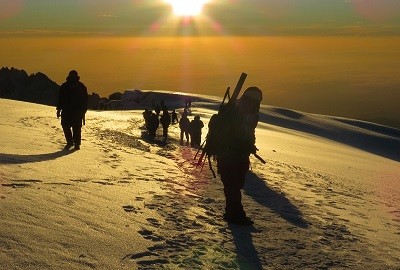
What Are the Challenges of the Rongai Route?
The Rongai Route is one of the most unique and lesser-known routes to summit Mount Kilimanjaro, as it begins from the northern side of the mountain, offering climbers a different experience than other routes. Though less crowded and more serene, the Rongai Route still presents its own set of challenges that climbers should be prepared for. From the terrain, weather conditions, to the physical demands, there are a variety of hurdles that climbers may face as they work their way up the mountain. It’s crucial to understand these challenges in depth to ensure that you are adequately prepared to tackle the climb. The more knowledge and preparation you have before embarking on the Rongai Route, the more likely you will be able to handle its demands and ultimately succeed in reaching the summit of Mount Kilimanjaro. Understanding these challenges will also enhance your overall trekking experience, allowing you to enjoy the journey and make the most of this adventure.
1. Steep Terrain
One of the biggest challenges of the Rongai Route is the steep and rugged terrain that climbers will face, especially as they ascend to higher altitudes. Although the initial part of the route may seem more moderate, the latter stages present much steeper inclines. The ascent to the summit from Kibo Hut involves climbing a steep, rocky incline that can be physically demanding, and it can take a toll on even the most experienced climbers. The ground can be uneven, covered with loose rocks and scree, which can make the climb much slower and more challenging. As you get closer to the summit, the path becomes more exhausting, and the combination of altitude and steep slopes can make each step feel like a significant effort. The physical strain of navigating through this terrain can make the climb feel even more strenuous, especially after days of climbing and dealing with the high-altitude conditions. Proper footwear is essential to ensure you have good grip on rocky paths, while being mindful of your surroundings can prevent injury. Overall, while the terrain is challenging, it offers climbers an opportunity to test their endurance and grit, rewarding them with stunning views and a sense of accomplishment upon reaching the summit.
2. Limited Acclimatization Time
Acclimatization is a crucial factor in any Kilimanjaro climb, as it allows your body to adjust to the lower oxygen levels at higher elevations, helping to prevent altitude sickness. Unfortunately, the Rongai Route offers less time for acclimatization due to its relatively quicker ascent to the summit. Although it’s considered a gradual route, it still requires climbers to make a faster journey from lower to higher altitudes compared to other routes, such as the Machame or Marangu routes. This means that climbers may not have as much time to adapt to the increasing altitude, which significantly increases the chances of experiencing altitude sickness. As you reach higher elevations, the air becomes thinner, and your body has to work harder to breathe, which can lead to dizziness, nausea, headaches, and fatigue. To mitigate the effects of altitude sickness, climbers should ensure they stay well-hydrated, take frequent rest breaks, and ascend slowly. If possible, having a “climb high, sleep low” strategy can help, allowing you to go higher during the day and descend again to sleep at a lower altitude. While the Rongai Route may still have some acclimatization days, it’s important to be extra vigilant and monitor for signs of altitude sickness throughout the climb. Climbers should never underestimate the importance of acclimatization, and failure to give your body adequate time to adjust can make the climb more dangerous and less enjoyable.
3. Weather Conditions
The weather on Kilimanjaro can be unpredictable, and it is an essential factor to consider when planning your climb. The Rongai Route is no exception, as the weather can change rapidly, especially as you climb higher up the mountain. While the weather is relatively mild at lower altitudes, climbers can experience significant drops in temperature and harsher weather conditions as they approach the summit. The winds on the Rongai Route can be particularly strong and harsh, especially on the northern side of the mountain. The winds, along with the cold temperatures and the potential for rain or snow at higher altitudes, can create a more challenging experience for climbers who may not be adequately prepared for extreme weather. Even if the weather at the beginning of the trek seems calm, climbers should always be prepared for rapid changes as they move upward. Warm clothing is essential to protect against the cold, and it’s critical to pack waterproof gear to shield yourself from rain or snow, which can be frequent in the higher regions of the mountain. The ability to adapt to weather changes and ensure that you have the right gear can make a huge difference in how comfortably you handle the climb. If you’re prepared for all kinds of weather conditions, you’ll be better positioned to enjoy the journey regardless of any unforeseen weather obstacles that may arise.
4. Isolation and Remote Location
One of the main appeals of the Rongai Route is its isolation, offering climbers a more peaceful and tranquil experience compared to the busier routes such as the Machame or Marangu routes. The route is far less crowded, providing a sense of solitude and the opportunity to experience the mountain in a more intimate way. However, this sense of isolation can also pose a few challenges, particularly for climbers who may feel uneasy about being in a more remote location. The Rongai Route, due to its less trafficked nature, has fewer people on the trail and fewer support services, which can be a challenge if you require assistance or encounter an issue. The absence of larger crowds can make it more difficult to find help in case of an emergency. Although the guides and porters on the Rongai Route are highly experienced and well-trained, climbers should be aware that they might be farther from other groups or rescue teams in case of an emergency. Being in such an isolated area requires that climbers are more self-sufficient and that they are well-prepared for any eventuality, including knowing how to respond to medical issues or injury. It’s important to choose a reputable tour operator with a strong safety record to ensure that help will be readily available if necessary. The isolation also means that facilities like shelters and water sources might be more limited compared to busier routes. Being prepared for the remoteness of this route is essential, as it requires an extra level of self-reliance and caution.
5. Longer Descent
One aspect that climbers often underestimate when taking the Rongai Route is the lengthy and physically demanding descent from the summit. While the ascent to the summit might feel challenging, it’s the descent that can be a surprise for many climbers. After reaching the summit, climbers will descend from the Kibo Hut down to the Marangu Gate, which involves a significant downhill section. This descent is much longer compared to other routes and can be tough on your knees and joints. The continuous downward trek can feel grueling, particularly after spending several days climbing and dealing with the altitude. The terrain on the descent is often loose and steep, requiring constant attention and control over your steps. Trekking poles can help ease the strain on your knees and improve stability on the rocky terrain. For climbers who may not be accustomed to long descents, the added physical strain can be one of the most challenging aspects of the Rongai Route. Proper preparation, including strengthening the legs and knees through specific exercises, will make this section of the climb much more manageable. The long descent may feel tiring, but it’s an important part of the overall experience, and climbers should pace themselves to avoid exhaustion.
6. Physical Demand
Climbing Mount Kilimanjaro is always a physically demanding endeavor, and the Rongai Route is no exception. While it may seem less strenuous than some of the other routes at first, the combination of altitude, terrain, and time on the mountain makes this route a significant physical challenge. The longer you are exposed to the high-altitude conditions, the more your body will be taxed, requiring endurance and stamina. Climbers must be prepared for several days of consistent physical exertion. Though the ascent may not be as steep as some of the other routes, the steady physical activity required to reach the summit still places a significant demand on the body. Moreover, since the Rongai Route doesn’t offer as many acclimatization days, the combination of quicker elevation gain and prolonged physical exertion means that climbers should be in top physical shape to ensure their best performance. Regular cardiovascular exercises, endurance training, and strengthening exercises before the climb are essential for anyone planning to tackle this route. A lack of physical preparation will make the climb more difficult and can compromise your safety as well. Make sure to focus on training to boost your physical strength and stamina before undertaking the climb, especially if you’re new to high-altitude trekking.
7. Cost Considerations
Though the Rongai Route is less crowded, it does come with a higher price tag compared to other routes like Machame or Marangu. The main reason for this cost increase is the added logistics and remote nature of the route. The Rongai Route requires additional transport from Moshi to the start of the climb on the northern side of Kilimanjaro, and climbers may also have to pay higher fees for their guides and porters. Furthermore, the remoteness of the route can result in higher costs for the operators to maintain their teams and provide adequate services. While the more isolated experience might be enticing, it’s essential to be prepared for the additional costs. Depending on your tour operator, climbing the Rongai Route could cost more than other routes due to these logistical factors. Before booking, make sure to budget properly and inquire about all the necessary fees, including transportation, park entry permits, and tips for the crew. Although the price might be higher, the experience of climbing the Rongai Route can be a worthwhile investment for those seeking a more tranquil, less crowded path to the summit.
8. Limited Support Infrastructure
The Rongai Route, while more remote and offering fewer climbers, also lacks the infrastructure and support services that are more commonly found on other routes. There are fewer emergency services, shelters, and even campsites along the route, particularly in the higher altitudes. In case of a medical emergency or injury, help may be farther away, and this can make the climb more dangerous. There is also less access to clean water and basic facilities compared to other routes. This limited infrastructure means that climbers must come fully prepared with all necessary gear, including first aid kits, adequate food and water supplies, and other essentials. You should also be well-versed in basic first-aid techniques and be prepared to manage any minor injuries on your own, as it may take longer for help to arrive. It’s vital to choose an experienced and professional tour operator who can provide adequate backup and safety measures for climbers in case of emergency. Adequate preparation for these conditions will go a long way in ensuring your safety and comfort during the climb.
9. Crowds at Summit
Although the Rongai Route is typically quieter compared to other routes, it’s important to note that it is still a popular choice during peak climbing seasons. As climbers from different routes converge on the summit for their final push, the summit area can become crowded, especially around sunrise when many climbers aim to reach the peak for the iconic sunrise view. While the Rongai Route offers a more peaceful ascent compared to the busier Machame or Marangu routes, it’s worth remembering that the summit can still be a shared experience. If you’re looking for solitude at the top, it may not be as quiet as you might hope, and you might find yourself surrounded by climbers from other routes. However, the reward of reaching the summit and witnessing the breathtaking views is still very much worth the effort, regardless of the crowds. The sense of achievement from conquering Kilimanjaro remains unmatched, even if you share the summit moment with other climbers.
FAQs
1. Is the Rongai Route suitable for beginners?
While the Rongai Route is considered one of the more accessible routes, it is still a high-altitude climb and demands good physical fitness and preparation. Beginners can tackle it if they have proper training and are prepared for the altitude, but they should consult with an experienced guide before deciding.
2. How long does it take to climb the Rongai Route?
The Rongai Route generally takes about 6 to 7 days to reach the summit, allowing time for proper acclimatization and a steady, manageable pace. Climbers should never rush their ascent and should focus on taking breaks and allowing the body to adjust to higher altitudes along the way.
3. What is the best time to climb the Rongai Route?
Climbing during the dry seasons from June to October and January to March is ideal. These months offer more stable weather with less rainfall, reducing the chances of snow and rain at higher altitudes. These months also provide the best visibility and clearer skies during the climb.
4. Are there any special equipment requirements for the Rongai Route?
Climbers should bring all the necessary equipment for high-altitude trekking, including layers for warmth, waterproof clothing, good hiking boots, and trekking poles. The steep descent, in particular, demands sturdy footwear and trekking poles to provide support.
5. How do I prepare for altitude sickness on the Rongai Route?
Proper acclimatization is key. Stay well-hydrated, ascend slowly, and take rest days when necessary. Monitoring your symptoms and being aware of altitude sickness signs, such as dizziness and nausea, will help you recognize early symptoms. Seek immediate descent if necessary.
Conclusion
The Rongai Route offers a quieter, more isolated route to the summit of Mount Kilimanjaro, but it’s not without its challenges. The steep terrain, limited acclimatization time, unpredictable weather, and physical demands make it a tougher route for many climbers. However, with the right preparation, it offers an incredible adventure with stunning views and the satisfaction of conquering Kilimanjaro in a less crowded setting. Make sure to train, choose a reputable tour operator, and be fully prepared for the remote nature of this route to ensure a safe and successful summit.
BURIGI CHATO SAFARIS
Request Your Enquiry Now!
Why Book With Us? - Burigi Chato Safaris
Burigi Chato Safaris is a trusted and experienced tour operator specializing in unforgettable safari experiences across Tanzania. Here’s why we are your best choice:
Our knowledgeable and highly trained guides ensure an immersive and informative safari experience, sharing deep insights into Tanzania’s wildlife and landscapes.
We offer customized safari experiences, ranging from budget camping to mid-range lodges and luxury safaris, designed to match your preferences.
Our dedicated team is available round the clock to assist with trip planning, bookings, and any inquiries during your safari.
Enjoy exclusive game drives, cultural interactions with the Maasai, and off-the-beaten-path experiences that showcase Tanzania’s hidden gems.
We are committed to responsible tourism, supporting conservation efforts and empowering local communities.
Book your safari with Burigi Chato Safaris and explore Tanzania’s breathtaking wildlife and landscapes with a trusted safari expert!