Climbing Mount Kilimanjaro, Africa's highest peak, is a monumental achievement. But with several routes to choose from, selecting the right one is crucial for a successful and enjoyable climb. Two of the most popular options are the Machame and Marangu routes. While both lead to the Uhuru Peak summit, they offer vastly different experiences. This article will delve into the key differences between Machame and Marangu, helping you determine which route best suits your needs and abilities.
Understanding the Machame Route: The "Whiskey" Route
The Machame route, often dubbed the "Whiskey" route, is renowned for its scenic beauty and challenging nature. It’s considered one of the most scenic routes on Kilimanjaro, offering diverse landscapes and a gradual acclimatization strategy. This is a significant advantage, as proper acclimatization is key to successfully summiting Kilimanjaro. The route's gradual ascent allows your body to adjust to the thinning air, minimizing the risk of altitude sickness.
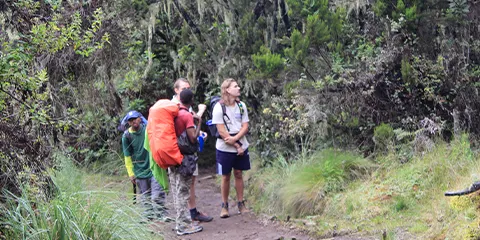
The trail itself is more challenging than Marangu, with steeper sections and more rugged terrain. This, combined with the scenic beauty, makes Machame a popular choice for experienced hikers who want a rewarding and visually stunning climb. You'll traverse through lush rainforests, across open moorland, and finally onto the barren, high-altitude landscapes. This variety keeps the climb engaging and exciting.
The Pros and Cons of Machame
Pros:
- Stunning scenery throughout the climb.
- Gradual acclimatization reduces the risk of altitude sickness.
- More rewarding and challenging climb for experienced hikers.
- Smaller group sizes generally lead to a more personal experience.
Cons:
- More physically demanding than Marangu.
- Generally more expensive due to the longer duration and more involved trekking.
Exploring the Marangu Route: The "Coca-Cola" Route
The Marangu route, nicknamed the "Coca-Cola" route, stands in contrast to Machame. It's known for its easier gradient and hut-based accommodation. This makes it a more accessible option for less experienced climbers. However, this ease comes at the cost of a less scenic journey and a potentially higher risk of altitude sickness due to its steeper ascent in some sections. The huts provide a sense of comfort but are shared accommodations, meaning less privacy and potentially more noise.
The Pros and Cons of Marangu
Pros:
- Easier gradient, making it suitable for less experienced climbers.
- Hut accommodation provides shelter and comfort.
- Generally less expensive than Machame.
Cons:
- Less scenic than Machame.
- Steeper ascent in some sections can increase the risk of altitude sickness.
- Shared hut accommodation may not suit everyone.
- Higher chances of encountering larger groups, leading to a less personal experience.
The Verdict: Which Route is Best?
For most climbers, especially those prioritizing scenic beauty and a more gradual acclimatization, the Machame route emerges as the superior choice. While more challenging physically, the rewards of stunning landscapes and a reduced risk of altitude sickness far outweigh the increased effort. The Marangu route, however, remains a viable option for those seeking a less strenuous climb and don’t mind sacrificing some scenic beauty for increased accessibility and lower cost. Ultimately, the best Kilimanjaro route depends on your individual fitness level, experience, and preferences. Consider your priorities carefully before making your decision.