Join a 3-day Tanzania photograph safari. Capture lions and rhinos in Ngorongoro and Serengeti with expert guides and perfect lighting for great photos
This 3-day Tanzania photograph safari is designed for photographers who want to capture high-quality images of African wildlife. You will visit the Ngorongoro Crater and Serengeti National Park, focusing on the best lighting and animal behavior. Our 3-day photograph safari in Tanzania provides vehicles with beanbags and expert guides who understand how to position the car for the perfect shot. Capture the Big Five during this professional 3-day photograph safari.
Upon arrival at Kilimanjaro International Airport (JRO), our driver will meet you and provide a private transfer to your hotel in Arusha. The drive covers 50 kilometers and takes about 1 hour. This day is for resting and preparing your camera gear. Your guide will provide a briefing on the best lens choices and settings for your 3-day photograph safari. A positive moment often occurs during the drive when the peaks of Mount Meru become visible, offering your first scenic photo opportunity in Tanzania.
Destination: Kilimanjaro Airport
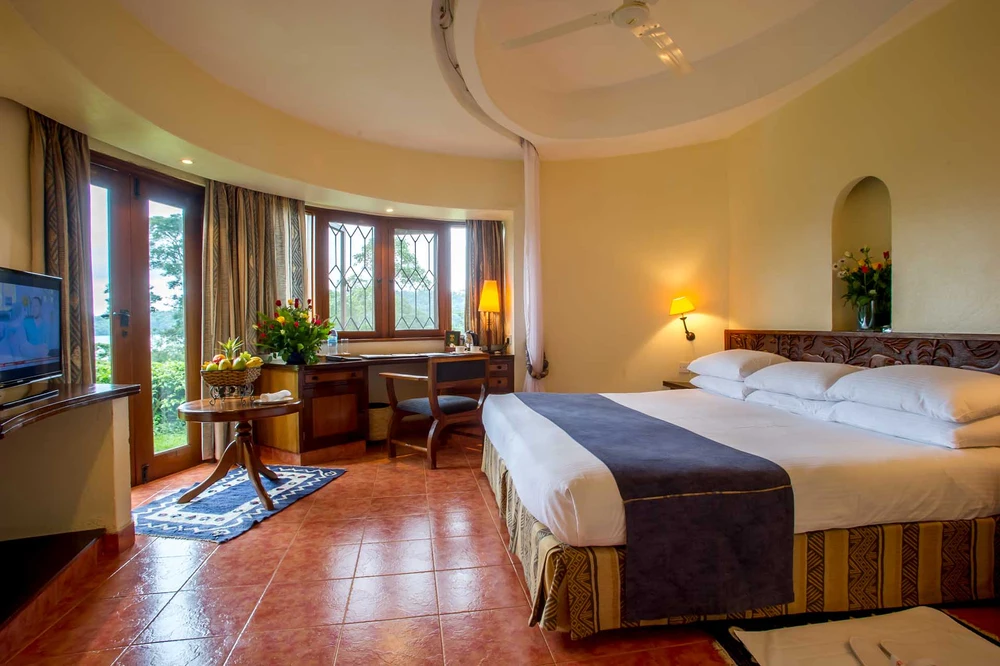
Accommodation: Arusha Serena Hotel
luxury 4 star lodge
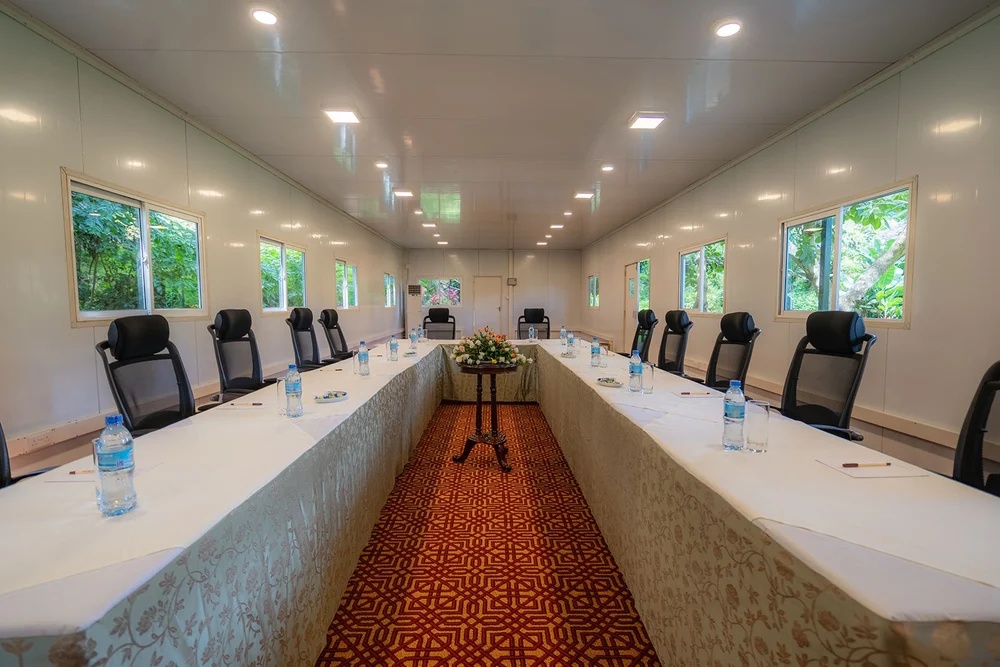
Meals & Drinks: Lunch, Dinner
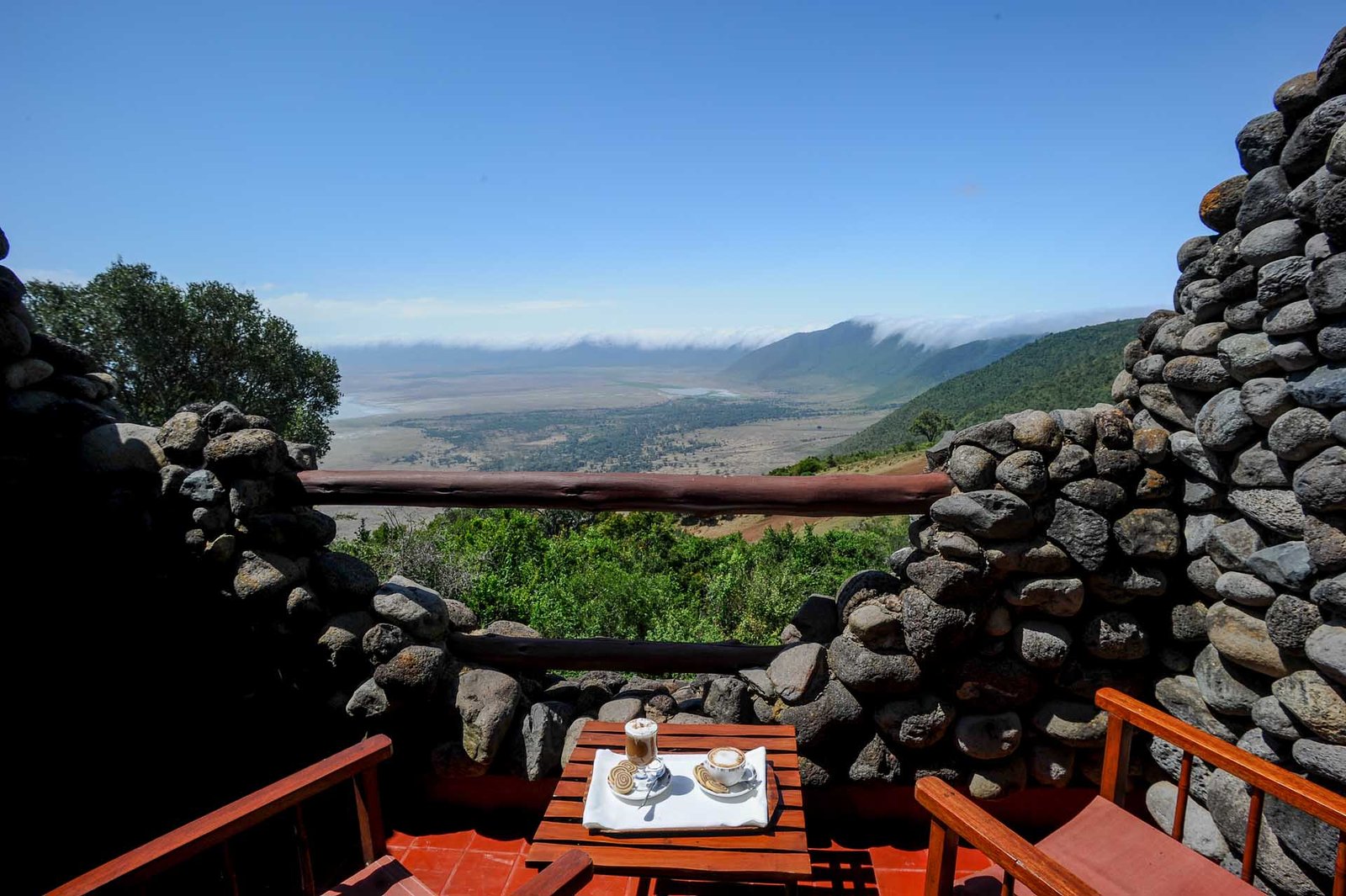
After an early breakfast, you will travel from Arusha to the Ngorongoro Conservation Area. The drive takes about 3 hours and covers 180 kilometers. You will descend into the Ngorongoro Crater for a full day of photography. The crater’s unique landscape provides a perfect backdrop for shots of the rare black rhino and large prides of lions. A positive and unexpected moment for photographers often happens at the hippo pool, where the soft morning light reflects off the water as hippos surface, allowing for sharp, high-contrast action shots. After the tour, you will head to your lodge for dinner and a review of your day's images.
Destination: Ngorongoro Crater
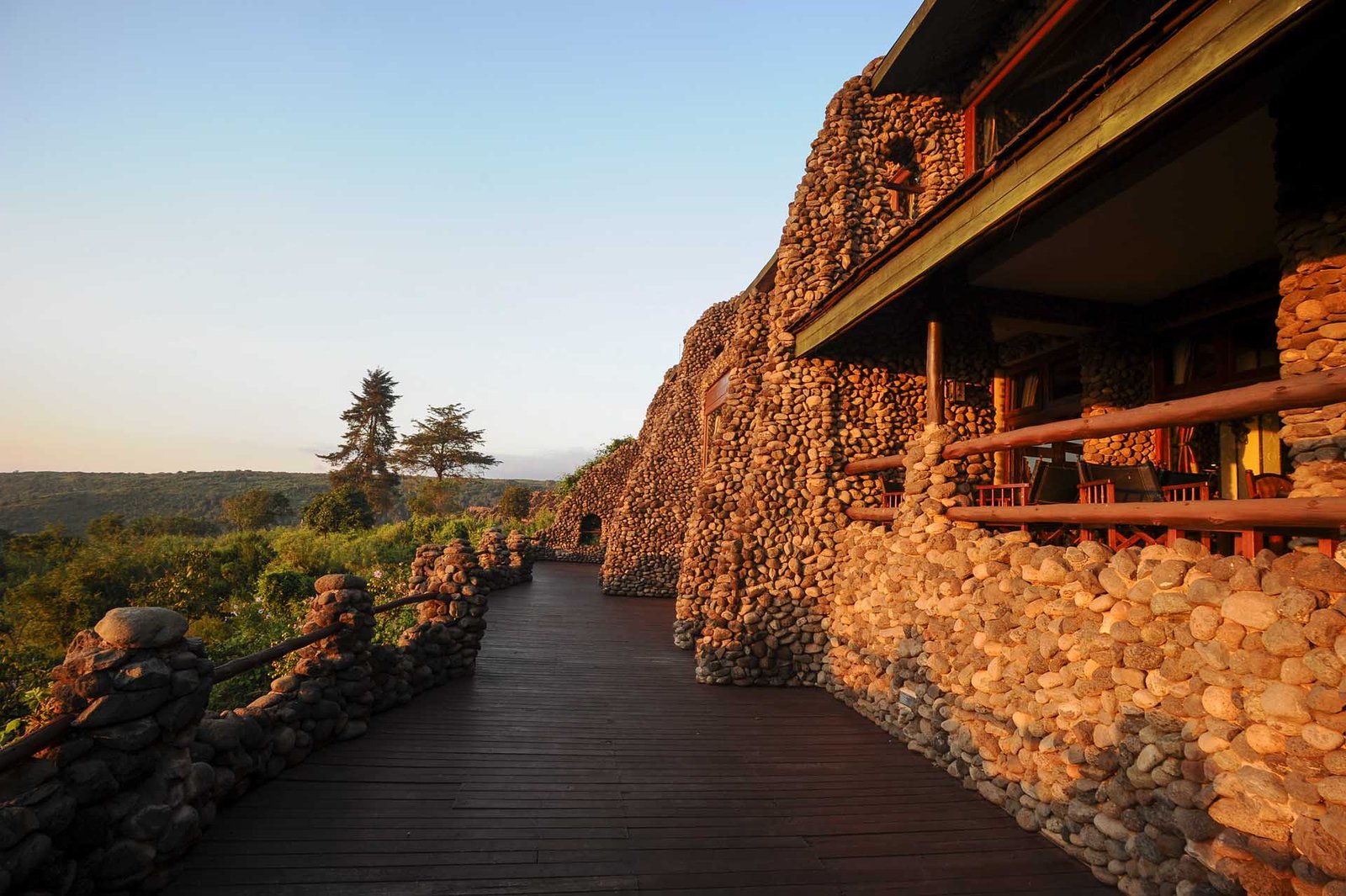
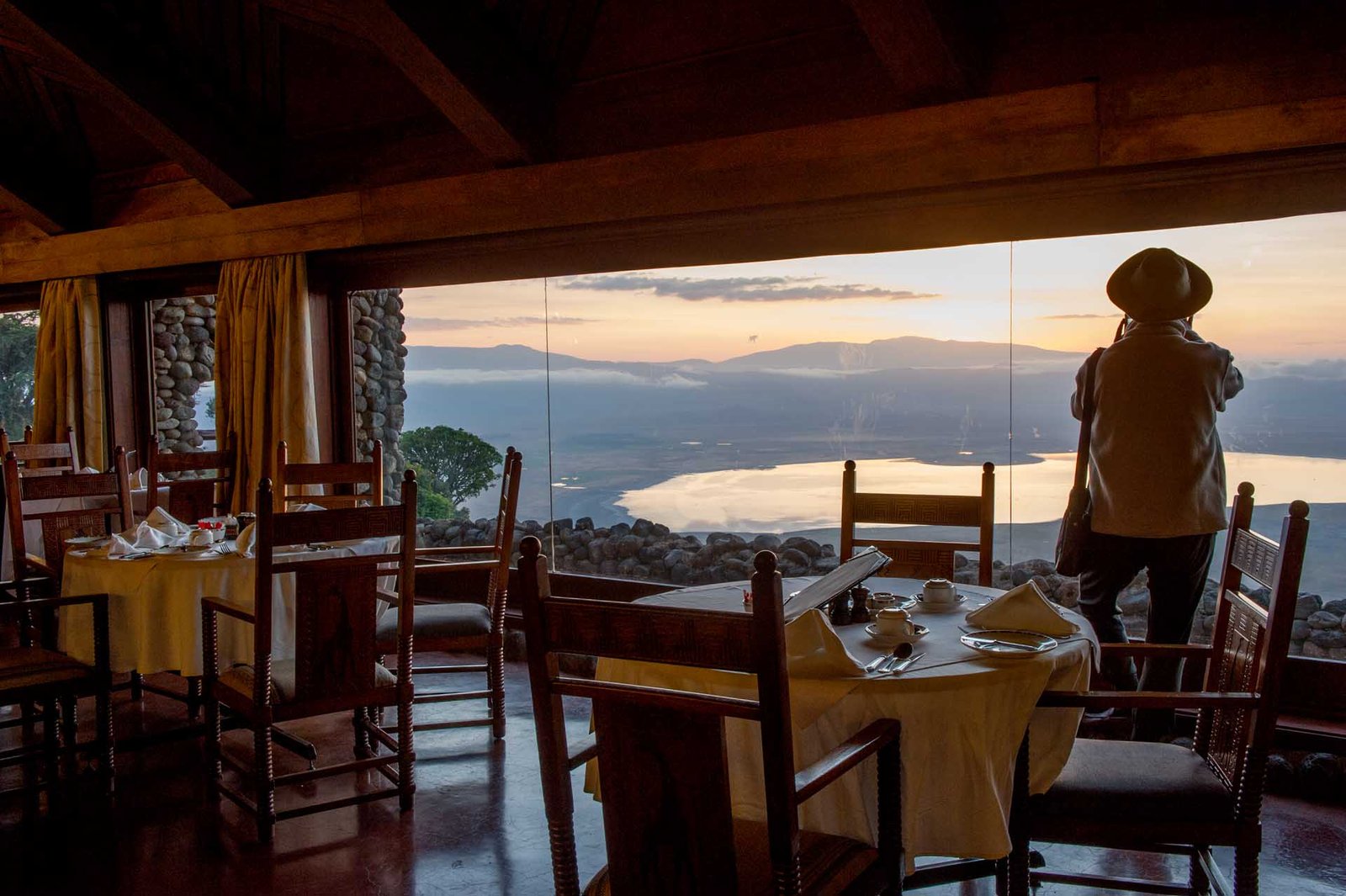
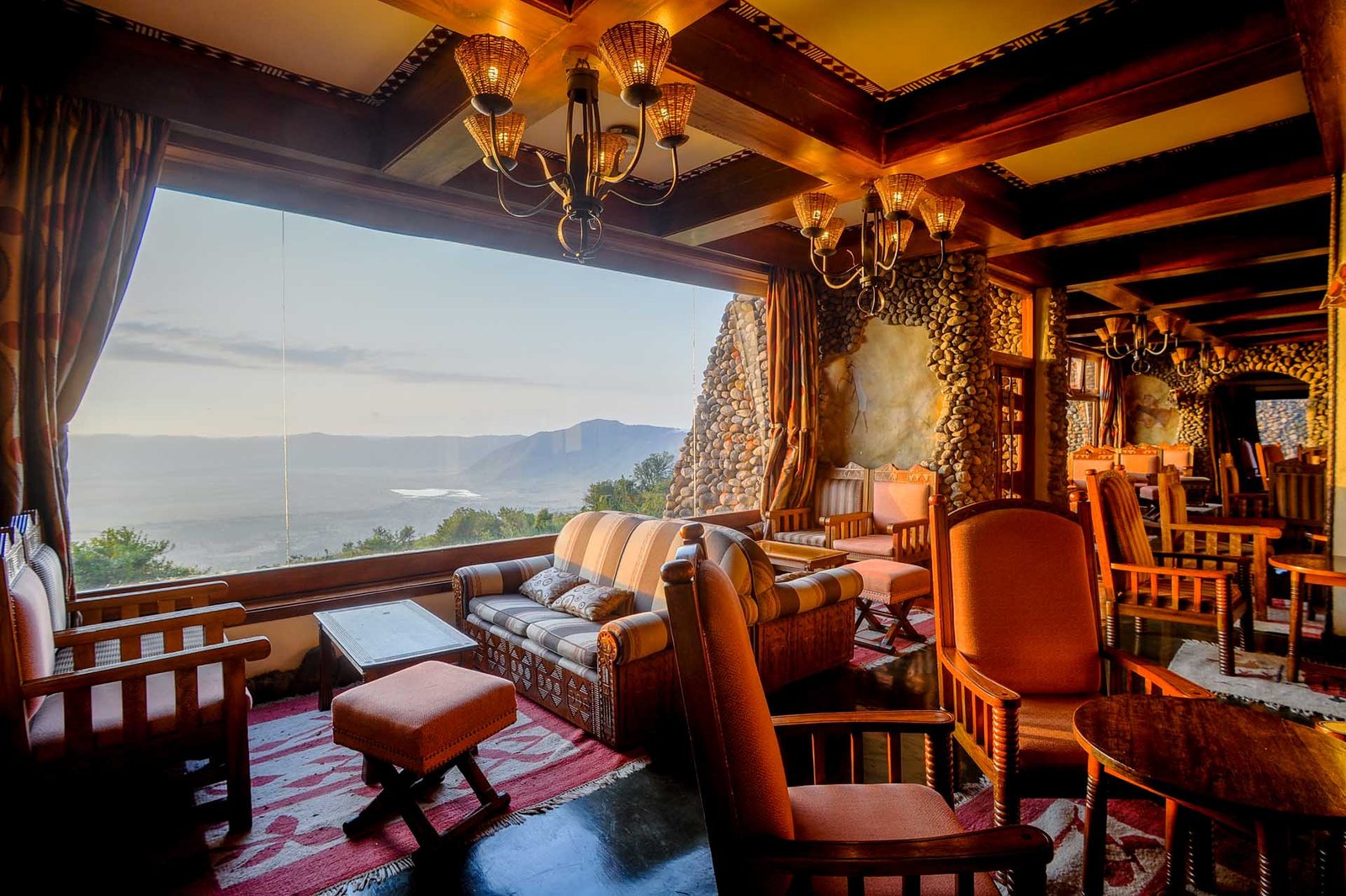
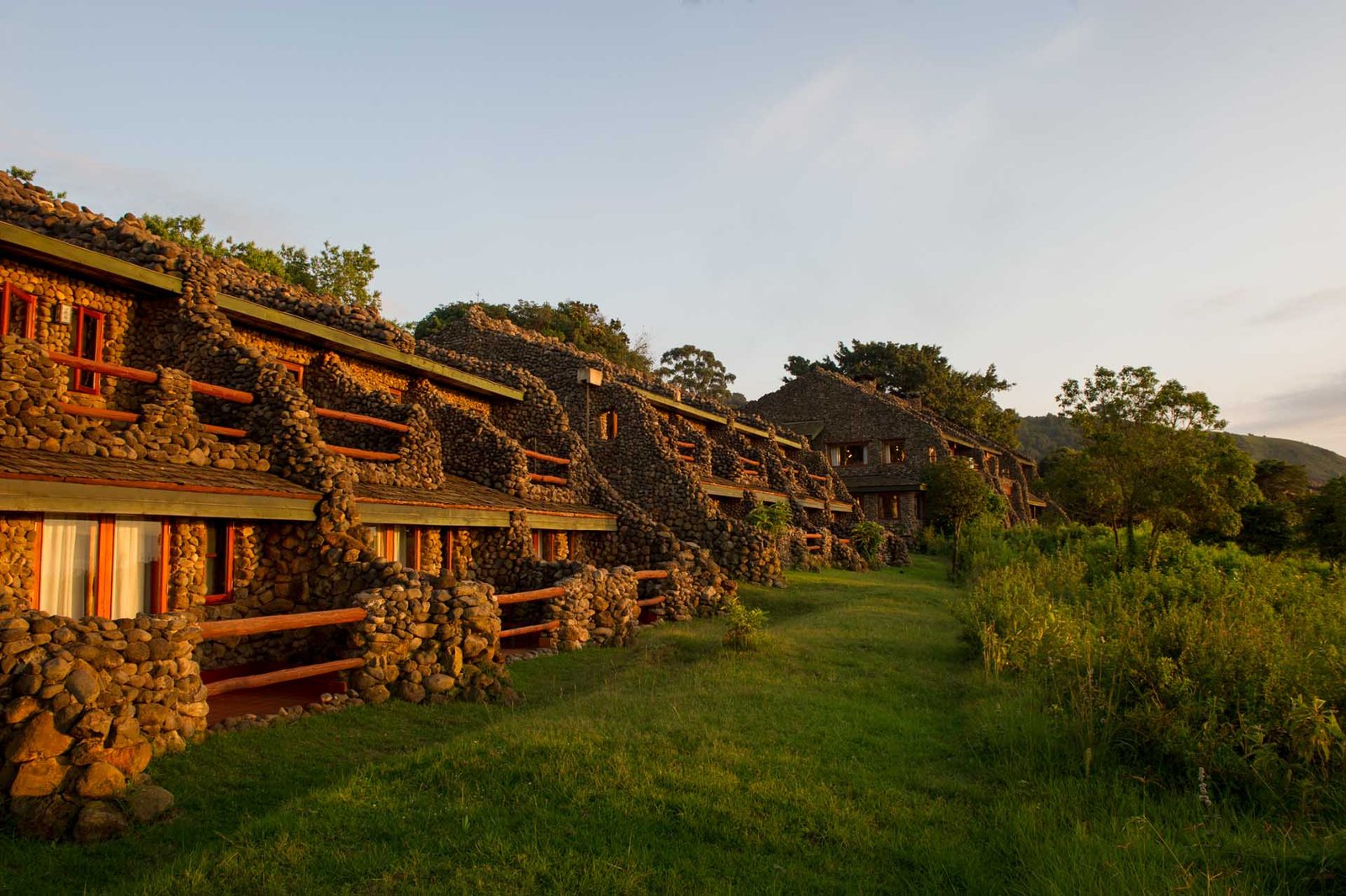
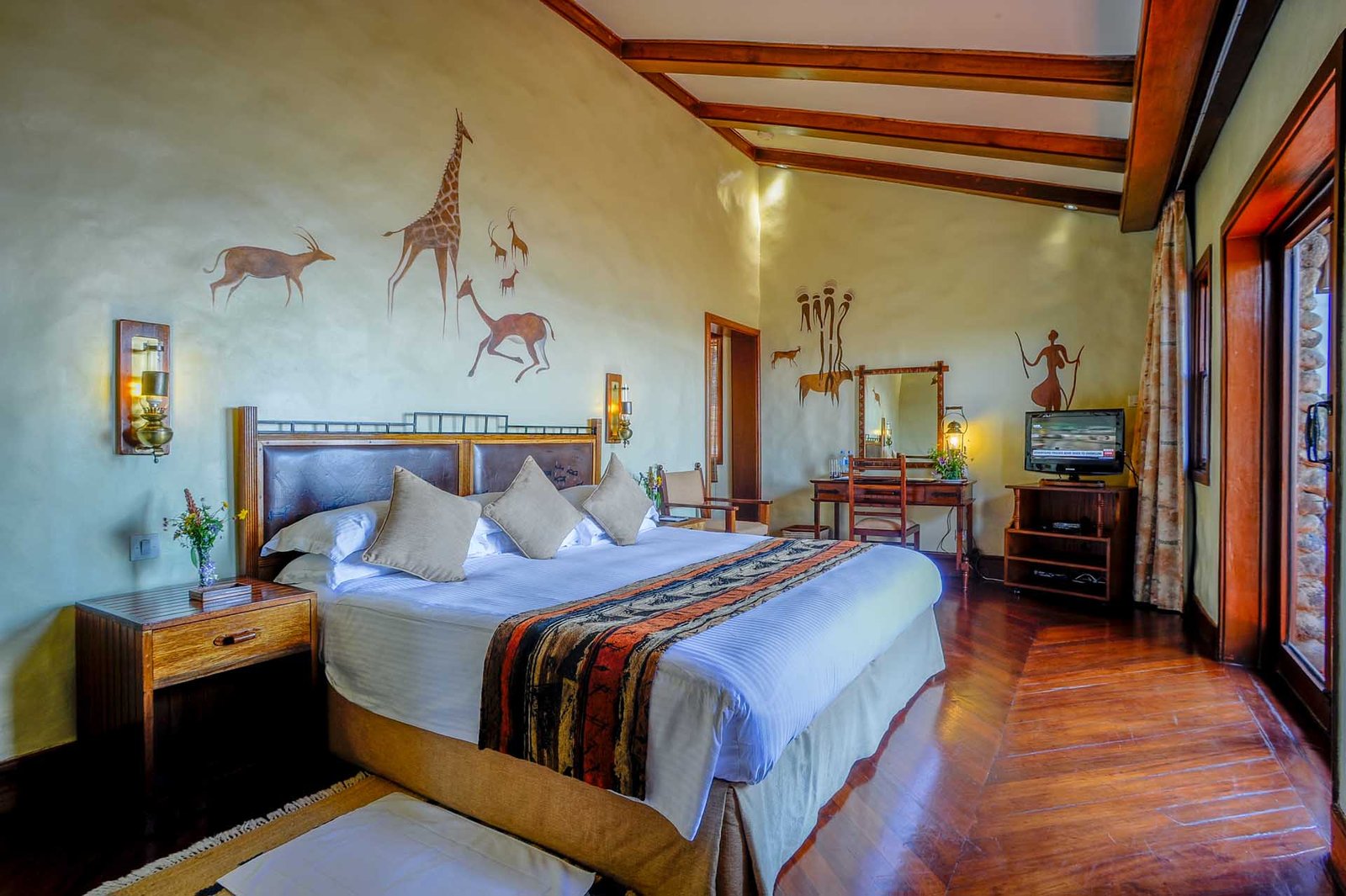
Accommodation: Ngorongoro Serena Safari Lodge
luxury 4 star lodge
Meals & Drinks: Breakfast, Lunch, Dinner
Today, your 3-day photograph safari in Tanzania continues toward the central Serengeti National Park. The journey covers 145 kilometers and takes roughly 4 hours. You will drive through the scenic highlands before reaching the wide-open plains of the Serengeti. In the afternoon, you will explore the Seronera Valley, which is famous for its leopard population. You might experience the exciting sight of a leopard posing perfectly on a low acacia branch while the sun begins to set, providing the "golden hour" light that photographers love. You will spend the night at a safari camp inside the park.
Destination: Central Serengeti
Accommodation: Serengeti Sopa Lodge
luxury 4 star lodge
Meals & Drinks: Breakfast, Lunch, Dinner
The final day of your 3-day photograph safari starts with a 6:00 AM game drive. This is the prime time for photography as the sun rises over the savannah, creating long shadows and warm colors. You will look for cheetahs and lions while they are still active. A positive highlight you may experience is seeing a cheetah on top of a termite mound, silhouetted against the rising sun. After a mid-morning breakfast, you will begin the return journey to Arusha, covering 330 kilometers in about 7 to 8 hours. You will arrive in Arusha in the late evening for your flight home or an overnight stay
Destination: Central Serengeti
Accommodation: Arusha Serena Hotel
luxury 4 star lodge
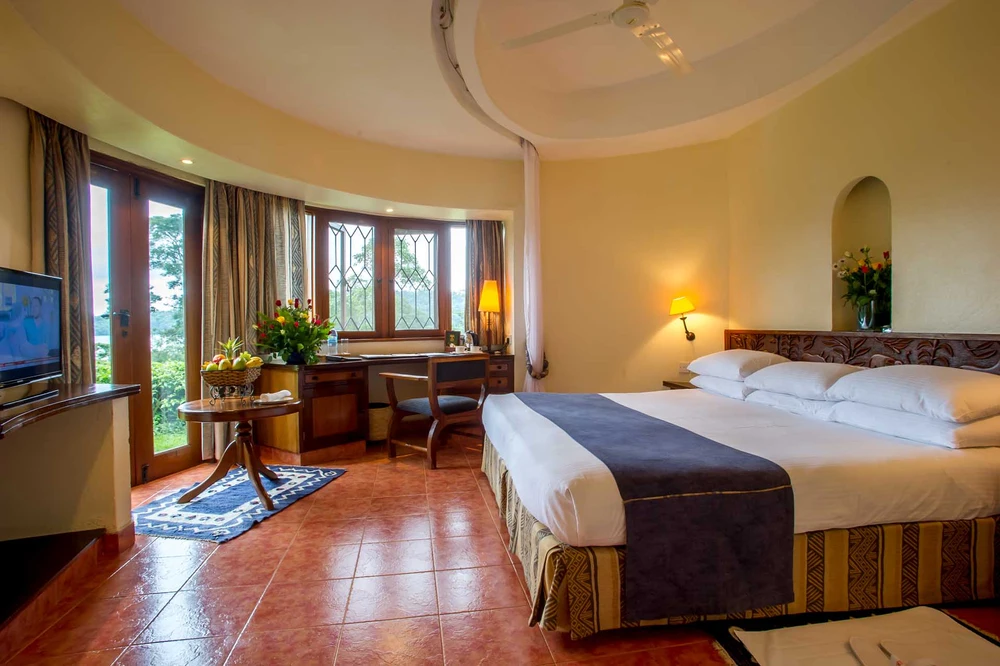
Meals & Drinks: Breakfast, Lunch, Dinner
We offer two pricing options:
The cost is shared within your private group. More people means a lower price per person.
Join others on a fixed-date tour at a set per-person rate—ideal for solo travelers or small groups.
Pricing Notice: No activities or park fees were found for this itinerary (ID: 2527). Please check the admin panel and ensure fees are selected and saved.
The Booking Form
Join a 3-day Tanzania photograph safari. Capture lions and rhinos in Ngorongoro and Serengeti with expert guides and perfect lighting for great photos
N.B: After you send your booking we will get back to you with in 24 hours.

What kind of camera gear should I pack for this 3-day photographic journey through Serengeti and Ngorongoro?
To make the most of your trip, we recommend bringing at least two camera bodies to avoid changing lenses in dusty environments. A versatile zoom lens like a 100 to 400mm is perfect for wildlife, while a wider 24 to 70mm lens works beautifully for the vast landscapes of the crater. Do not forget extra memory cards and at least three spare batteries, as you will likely take more photos than you expect.
Are the safari vehicles customized to accommodate professional photography equipment?
Our 4x4 vehicles are specially modified with pop-up roofs that provide an unobstructed 360-degree view of the surroundings. We also provide beanbags in the car to help stabilize your long lenses for sharp, clear shots of predators and birds. There is ample space in the vehicle for your camera bags and tripods, ensuring your gear is always within reach during game drives.
How do we manage the best lighting conditions for photography on such a short three-day schedule?
We prioritize early morning and late afternoon game drives to take advantage of the golden hour when the light is soft and warm. Our guides understand that lighting is everything for a photographer and will position the vehicle to ensure the sun is behind you whenever possible. This strategy helps you capture the stunning textures of the animals and the vibrant colors of the Tanzanian savannah.
Can I charge my camera batteries and laptop while staying at the lodges or camps?
All the accommodations we select for this photography focused tour have reliable power sources for charging your essential electronics. Most lodges provide charging stations in the main lounge or directly in your room, though we recommend bringing a universal travel adapter. Since we spend a lot of time in the field, our vehicles also feature internal power outlets to keep your gear running throughout the day.
Does the guide have specific knowledge of wildlife photography and animal positioning?
Our guides are not just wildlife experts but are also trained to understand the needs of photographers, such as predicting animal movement. They will patiently position the car to get the best angles and wait for the perfect moment of action, such as a lion waking up or a bird taking flight. Their expertise ensures you spend less time searching and more time capturing high-quality images.
Is it possible to add a hot air balloon flight to capture aerial shots of the Serengeti?
You can certainly customize your itinerary to include a sunrise balloon safari over the plains on the second morning. This extra activity offers a unique perspective for wide-angle landscape shots and bird's-eye views of the migrating herds. It is an unforgettable way to add diversity to your portfolio while enjoying a champagne breakfast in the bush.
How do we handle the dust to protect our expensive lenses during the game drives?
Dust is a common challenge in the northern circuit, so we recommend bringing a high-quality blower brush and several microfiber cloths. Keeping your camera inside a padded bag when not in use and using a lens hood can significantly reduce the amount of grit that reaches your sensor. We also provide covers in the vehicle to help shield your equipment during transits between different park locations.
Can we alter the daily routine if we find a specific subject we want to photograph for a long time?
Since this is a photography focused mission, we offer the flexibility to stay at a single sighting for as long as necessary. If you want to wait three hours for a leopard to descend from a tree, our guide will accommodate your request without rushing to the next spot. We understand that patience is required to get that one award-winning shot that defines your entire trip.
What kind of subjects can I expect to photograph in the Ngorongoro Crater compared to the Serengeti?
The Ngorongoro Crater provides a dramatic backdrop of steep walls and high animal density, making it ideal for close-up portraits of rhinos and lions. In contrast, the Serengeti offers vast, endless horizons and iconic acacia trees that are perfect for silhouette shots and wide-angle wildlife scenes. Together, these two locations provide a diverse range of environments to fill your memory cards in just three days.
Are there opportunities for landscape and cultural photography on this 3-day Tanzania photograph safari to Serengeti and Ngorongoro?
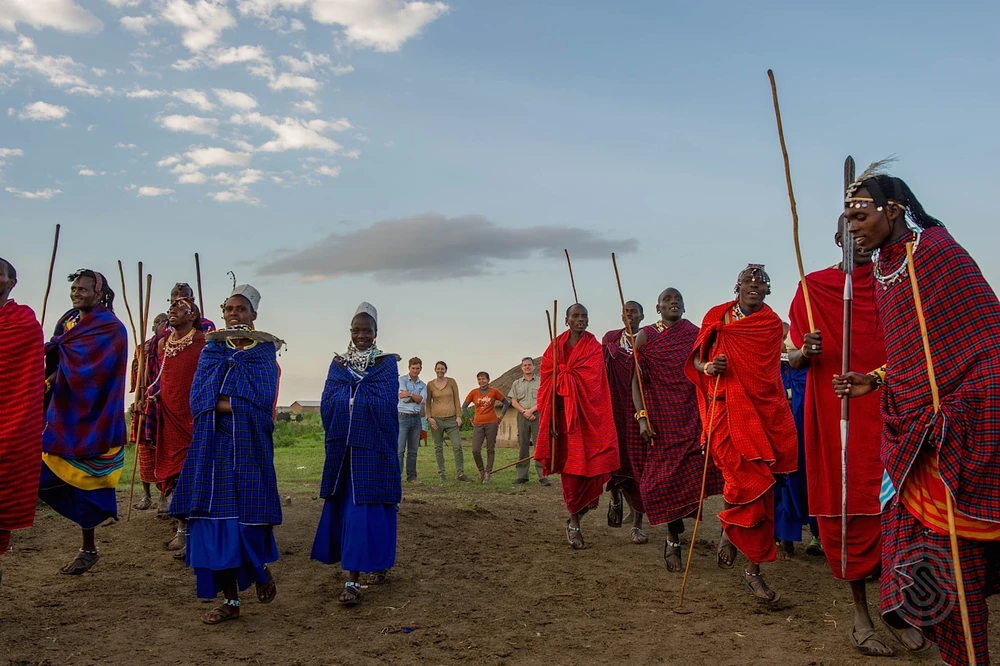
Beyond the incredible wildlife, we can stop at a Maasai boma to allow you to capture the vibrant colors and traditions of the local people. The volcanic landscapes and ancient baobab trees along the route also provide endless inspiration for scenic photography. This ensures your final collection of images tells a complete story of the land, the people, and the animals
Is it possible to go completely off-road during this 3-day Tanzania wilderness adventure?
In many parts of the Serengeti, driving away from designated tracks is restricted to protect the fragile environment. However, certain areas and private concessions allow for more adventurous paths to get closer to the animals. Our guides know the best spots where we can legally explore deeper into the bush for a more rugged experience.
What are the chances of seeing the Big Five on an off-road safari in Serengeti and Ngorongoro?
This specific journey targets high-density wildlife areas where lions, leopards, and rhinos are frequently spotted. By using less traveled paths, we often find ourselves away from the main crowds, offering a more intimate viewing experience. The Ngorongoro Crater floor is particularly productive for seeing multiple species in a short timeframe.
Can I customize my 3-day Serengeti and Ngorongoro trip to include a walking tour?
We can certainly adjust the schedule to include a guided nature walk along the crater rim or in certain parts of the plains. These walks allow you to appreciate the smaller details of the ecosystem that are often missed from a vehicle. It is a wonderful way to stretch your legs and connect with the African soil
What kind of vehicle is used for a rugged Tanzanian off-road expedition?
We utilize specially modified 4x4 Land Cruisers equipped with heavy-duty suspension and high clearance for the rough terrain. These vehicles feature pop-up roofs that provide an unobstructed view of the surrounding landscapes and wildlife. Each car also carries essential recovery gear and a first aid kit for safety in remote areas.
Is this adventurous three-day safari suitable for families with children?
This trip is a fantastic way for families to bond while witnessing the wonders of nature up close. We provide child-friendly seating and can adjust the pace to ensure the younger ones stay comfortable and engaged throughout the journey. It is an educational experience that creates lasting memories for both parents and kids.
What type of lodging is provided during this short wilderness journey?
You will stay in comfortable tented camps or lodges that offer a true bush atmosphere without sacrificing essential comforts. These locations are chosen for their proximity to the wildlife, allowing you to hear the sounds of the night from your room. Every camp provides private en-suite bathrooms and high-quality meals after a day of exploration.
When is the best time for an off-road trip through the Serengeti and Ngorongoro?
The dry season from June to October is ideal as the tracks are more accessible and the animals gather near water sources. However, the green season brings beautiful landscapes and newborn animals which make for stunning photography. Each time of year offers a unique perspective on the diverse habitats of Northern Tanzania.
What kind of food is served during this 3-day rugged adventure?
our package includes full-board meals consisting of hot breakfasts, picnic lunches, and multi-course dinners. We take pride in offering fresh and healthy options that cater to various dietary needs, including vegetarian and vegan choices. Even in remote areas, our chefs ensure the food is prepared to the highest standards.
Can I add a hot air balloon flight to my Serengeti and Ngorongoro itinerary?
You can definitely include a sunrise balloon flight over the plains on the second day of your tour. This extra activity provides a breathtaking view of the horizon and is usually followed by a champagne breakfast in the bush. It is an unforgettable way to celebrate a special occasion or simply enjoy the scenery from above.
What should I pack for a 3-day Tanzania off-road safari?
We recommend bringing light layers of clothing, a good pair of binoculars, and a high-quality camera with a zoom lens. Since the crater rim can be chilly, a warm jacket or fleece is necessary for the early mornings and late evenings. Do not forget sun protection such as a wide-brimmed hat and high-SPF sunscreen.
Memorable Wildlife and Thoughtful Halal-Friendly Service
Photos related to the place visited
Well-Timed Prayer Breaks with Tasty Meals
Photos related to the place visited
Wildlife Adventures That Respect Religious Needs
Photos related to the place visited
"Night Safari Magic: Predator Eyes in the Dark
Photos related to the place visited
"The African Wilderness Like Never Before"
Photos related to the place visited
"Amazing Family Trip to Ngorongoro Crater
Photos related to the place visited
"Night Safari Magic: Predator Eyes in the Dark
Photos related to the place visited
"Night Safari Magic: Predator Eyes in the Dark
Photos related to the place visited
"A Beautiful, Magical Side of Tanzania"
Photos related to the place visited
Knowledgeable Guide Made Our Safari Unforgettable
Photos related to the place visited