Join a 3-day Tanzania research safari. Study wildlife behavior and conservation in Serengeti and Ngorongoro with expert guides on this educational tour.
This 3-day Tanzania research safari is designed for students, academics, and wildlife enthusiasts who want to learn about ecology and conservation. You will explore the Ngorongoro Crater and Serengeti National Park to observe animal behavior and ecosystem management. Our professional guides provide scientific insights into the local flora and fauna. This 3-day research safari in Tanzania offers a deep dive into the environmental challenges and success stories of these world-famous protected areas.
Upon arrival at Kilimanjaro International Airport (JRO), our driver will meet you and provide a private transfer to your hotel in Arusha. The drive covers 50 kilometers and takes about 1 hour. This day is for resting and receiving a briefing on the data collection and observation methods you might use during your 3-day research safari. You may see the peaks of Mount Meru or local botanical species in the hotel gardens. This evening allows you to prepare your field notes and equipment for the start of your journey
Destination: Kilimanjaro Airport
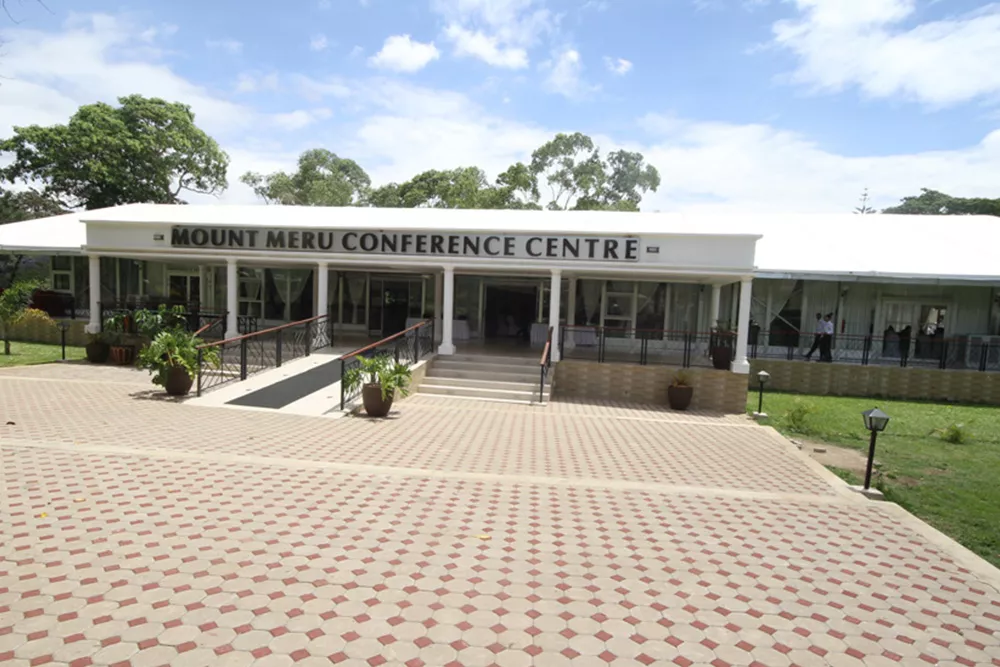
Accommodation: Mount Meru Hotel
luxury 4 star lodge

Meals & Drinks: Lunch, Dinner
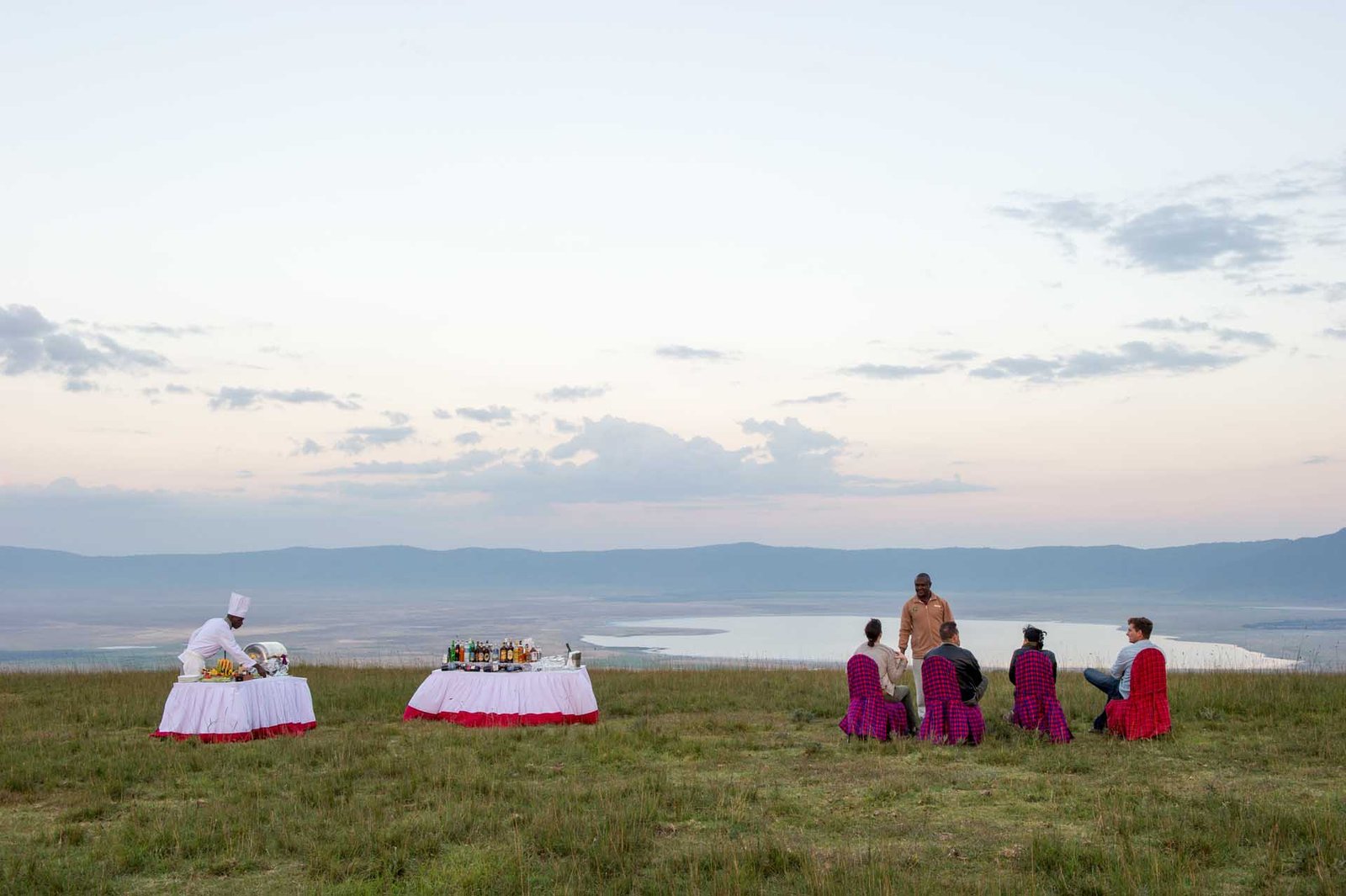
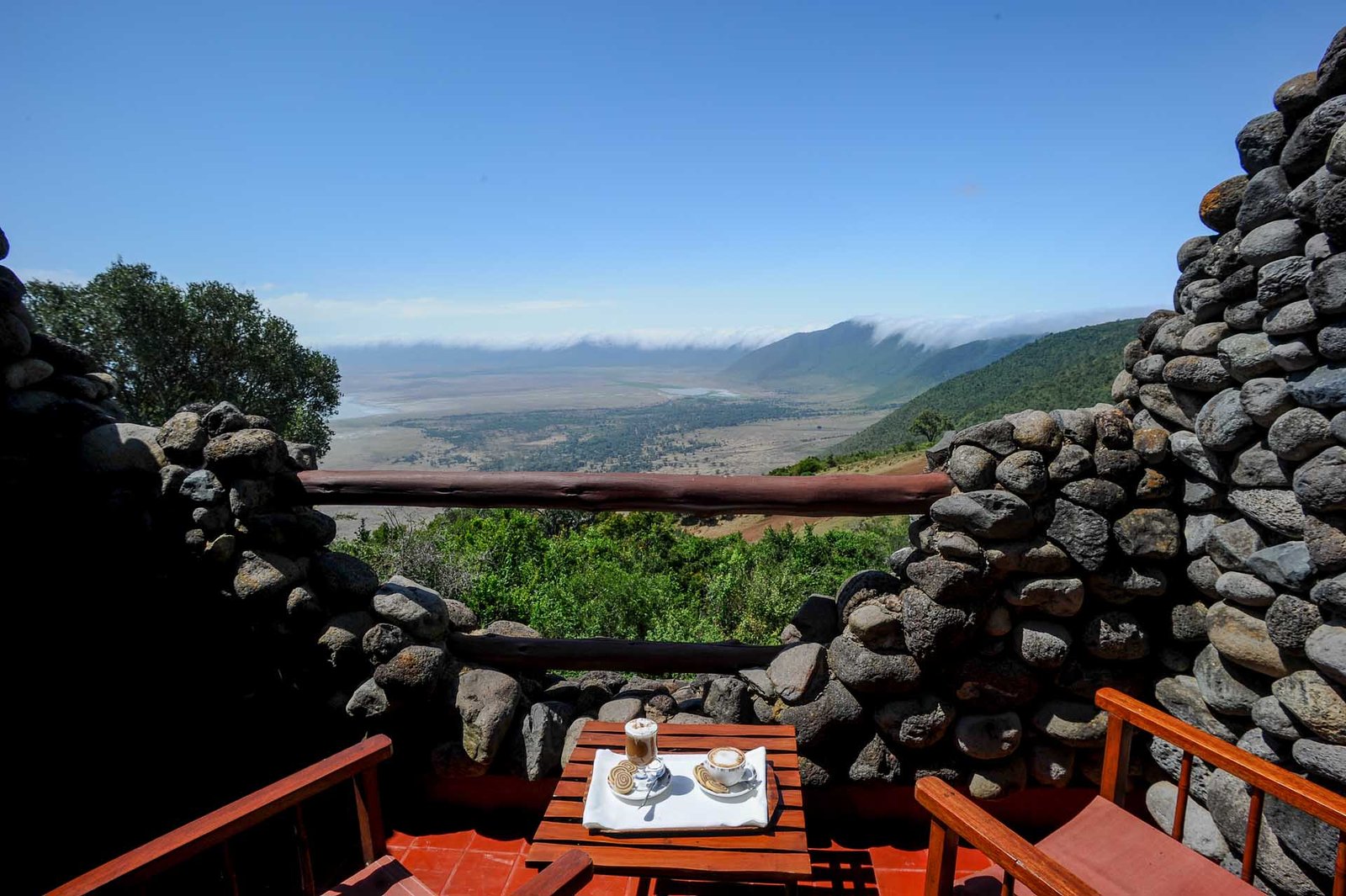
After breakfast, you will travel from Arusha to the Ngorongoro Conservation Area, covering 180 kilometers in about 3 hours. You will spend the day on the crater floor, focusing on the biodiversity of this unique caldera. As part of your 3-day Tanzania research safari, you will study the habitat of the endangered black rhino and the interaction between different species in a confined space. A positive and unexpected moment often occurs at the Lerai Forest, where you can observe how elephants contribute to forest regeneration. You will enjoy a picnic lunch while documenting bird species near the alkaline Lake Magadi
Destination: Ngorongoro Crater
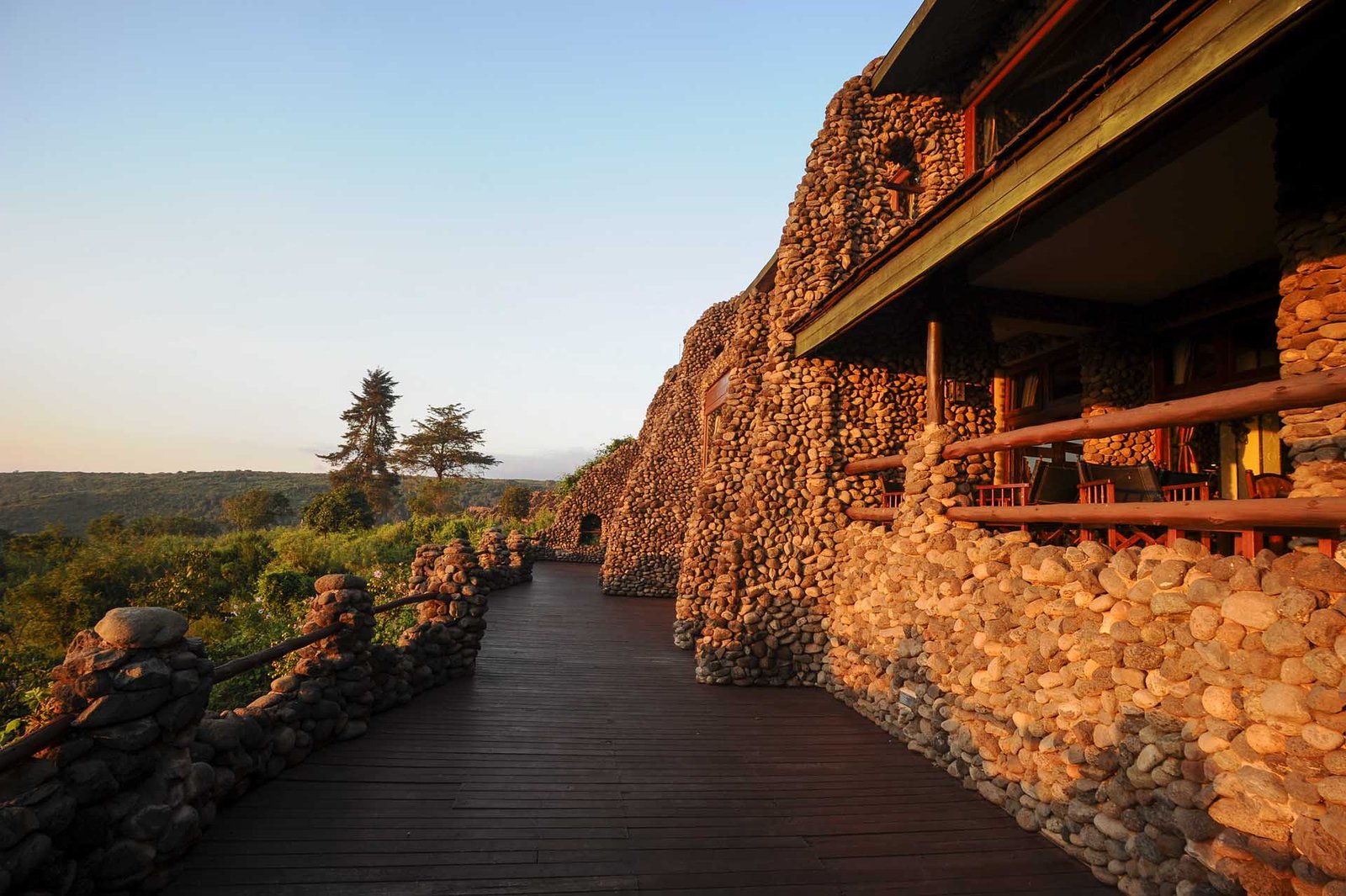
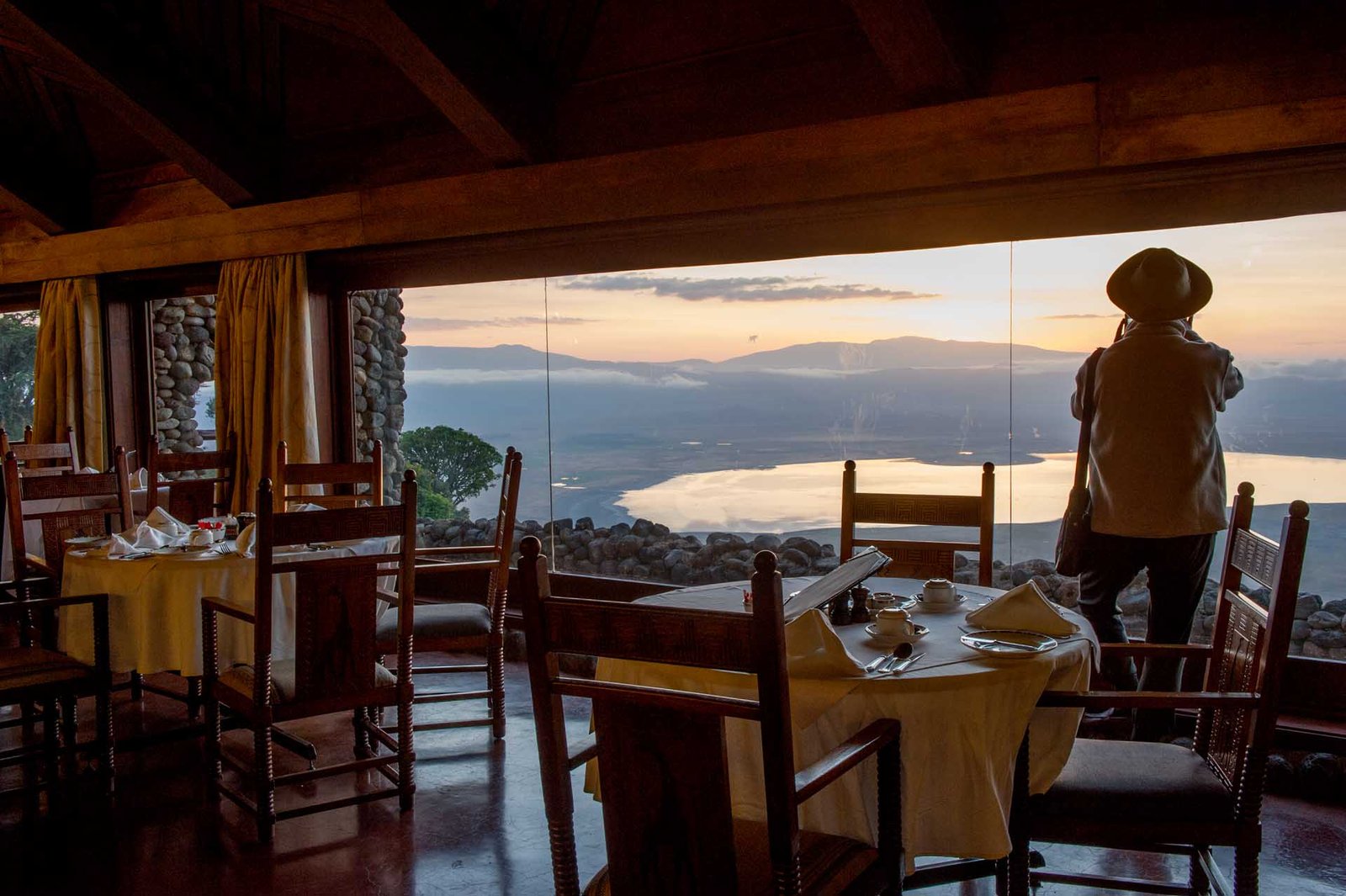
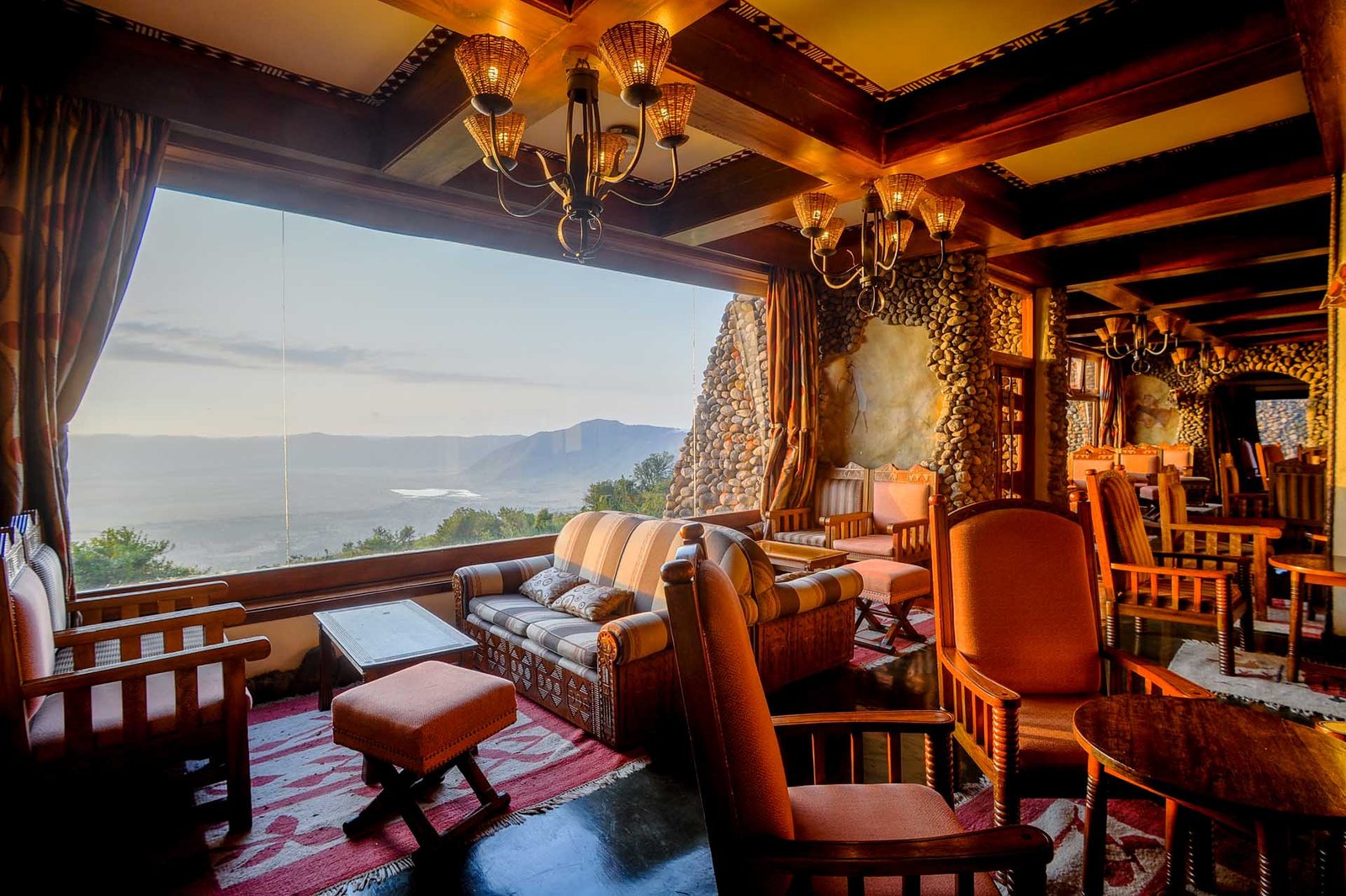
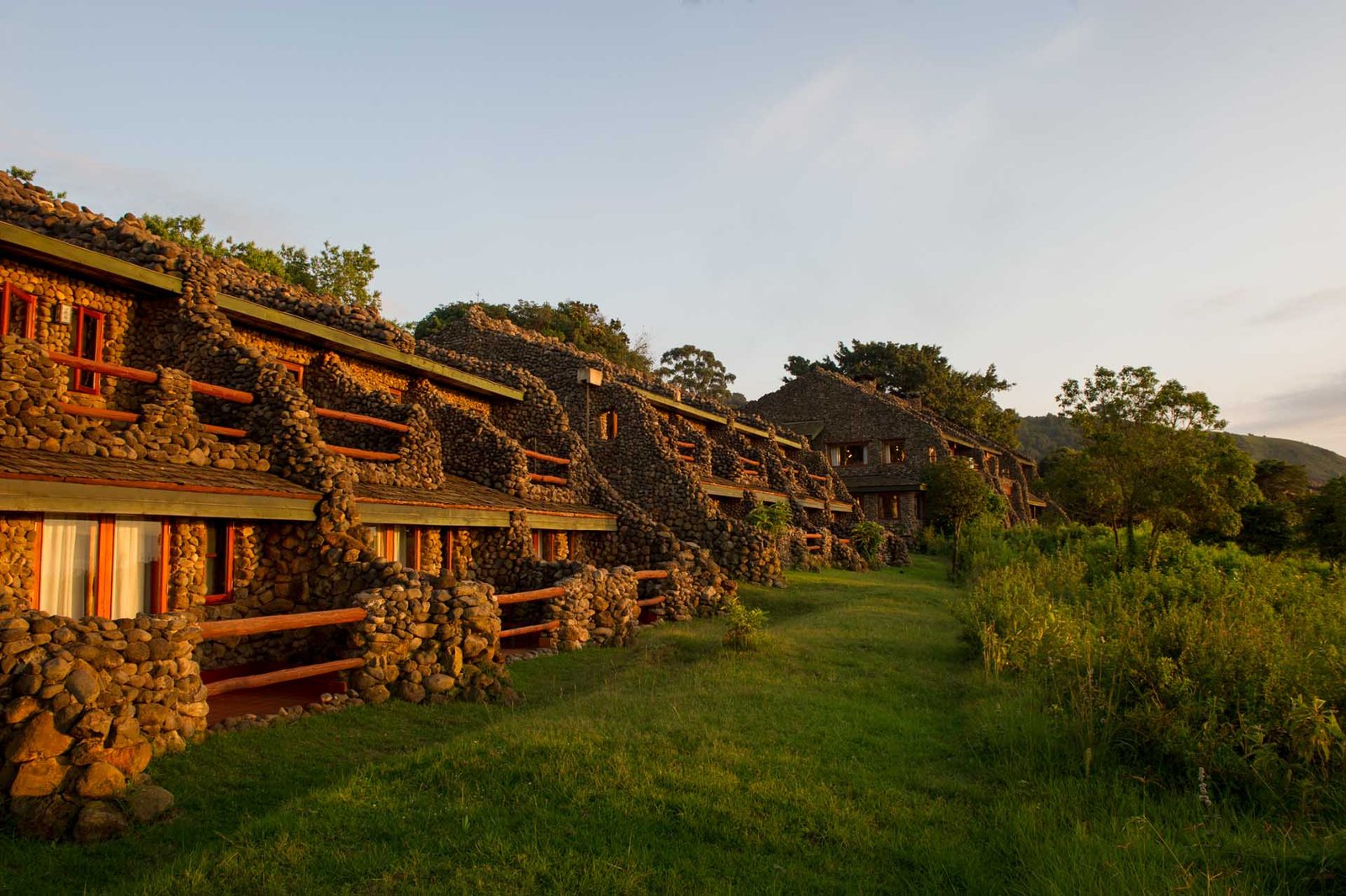
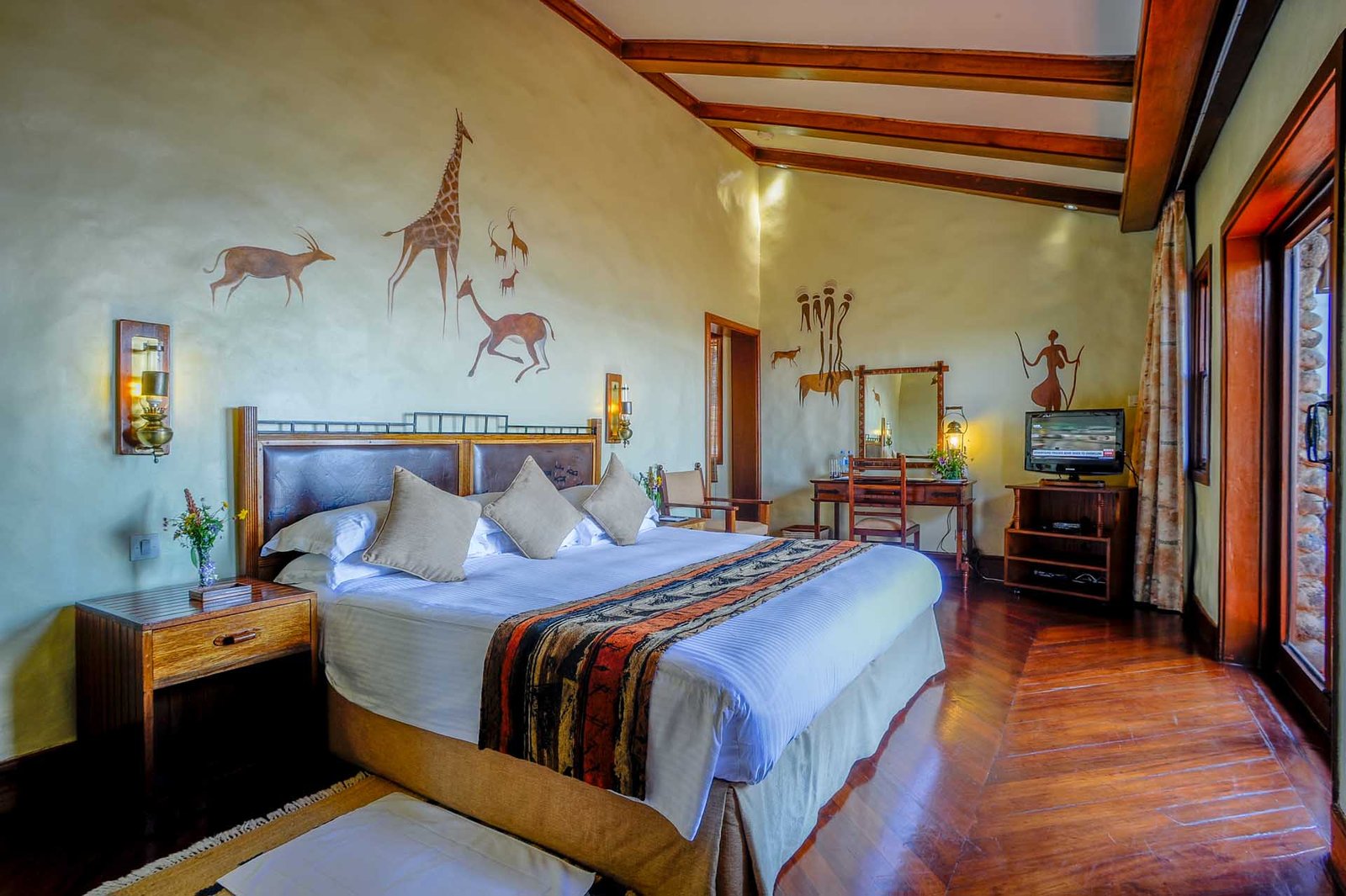
Accommodation: Ngorongoro Serena Safari Lodge
luxury 4 star lodge
Meals & Drinks: Breakfast, Lunch, Dinner
Today, your 3-day research safari in Tanzania continues as you travel 145 kilometers toward the Serengeti National Park. The journey takes roughly 4 hours and includes a drive through the highlands. In the afternoon, you will explore the Seronera Valley, focusing on predator-prey dynamics. You will look for leopards and lions, observing their hunting strategies and territorial markings. You might experience the exciting moment of spotting a leopard using a large acacia tree as a lookout point. This day highlights the importance of wildlife corridors and habitat connectivity. You will spend the night at a research-friendly camp inside the park.
Destination: Central Serengeti
Accommodation: Serengeti Sopa Lodge
luxury 4 star lodge
Meals & Drinks: Breakfast, Lunch, Dinner
The final day of your 3-day research safari begins with an early morning game drive at 6:00 AM. This is the best time to observe ethology, the study of animal behavior, while predators are still active. You may see cheetahs scanning the plains or hyenas returning to their dens. After a late breakfast, you will begin the return journey to Arusha, covering 330 kilometers in about 7 hours. Along the way, you will pass through local communities, providing insight into human-wildlife conflict management. You will arrive in Arusha in the late evening for your flight home or an overnight stay.
Destination: Central Serengeti
Accommodation: Mount Meru Hotel
luxury 4 star lodge

Meals & Drinks: Breakfast, Lunch, Dinner
We offer two pricing options:
The cost is shared within your private group. More people means a lower price per person.
Join others on a fixed-date tour at a set per-person rate—ideal for solo travelers or small groups.
Pricing Notice: No activities or park fees were found for this itinerary (ID: 2570). Please check the admin panel and ensure fees are selected and saved.
The Booking Form
Join a 3-day Tanzania research safari. Study wildlife behavior and conservation in Serengeti and Ngorongoro with expert guides on this educational tour.
N.B: After you send your booking we will get back to you with in 24 hours.

Can I participate in citizen science data collection during this three-day Tanzanian research focused expedition?
Yes, our program encourages guests to contribute to ongoing wildlife monitoring by logging sightings and behaviors in dedicated databases. You will work closely with your guide to identify specific animal markings or herd sizes which helps local conservationists track population trends. This active involvement makes your three-day journey across the plains a valuable contribution to the scientific community.
Do the guides for this Serengeti and Ngorongoro scientific study have a background in ecology?
Our guides are highly trained professionals who possess deep knowledge of animal behavior, botany, and ecosystem health. They act as field facilitators who can explain the intricate relationships between different species and their environment. Their expertise ensures that every game drive serves as an educational session for those interested in the deeper biological aspects of the region.
What specific research equipment is provided for guests during the tour?
We provide high-quality binoculars and detailed species checklists to help you document the diversity found in the parks. For those focused on birding or specific mammals, we also carry field guides and distribution maps to assist in accurate identification. These tools are essential for anyone wanting to maintain a professional standard of observation throughout the trip.
Is it possible to customize this three-day Tanzania research based safari to focus on a particular species?
We can certainly alter the itinerary if you have a specific academic interest, such as studying the black rhino population in the crater or big cat dynamics in the Serengeti. By notifying us in advance, we can spend more time in the habitats most relevant to your study goals. This flexibility allows for a much more specialized and rewarding experience for researchers and students alike.
Is three days enough time to gather meaningful data in the Serengeti and Ngorongoro?
While a longer stay is always beneficial, this package is designed to be highly efficient by visiting high-density wildlife zones. We focus on key corridors where animal activity is frequent, allowing for a significant amount of data to be collected in a short window. It is a perfect option for those needing a rapid assessment or a brief field immersion.
How does this tour focus support the local conservation efforts in Tanzania?
A portion of the proceeds from every research-oriented trip goes directly toward local conservation projects and anti-poaching units. We also share our findings and sighting logs with park authorities to assist in their management of the delicate ecosystem. By choosing this package, you are directly funding the preservation of the habitats you are studying.
Can students or academics use this trip for university credits or field work?
We can provide a certificate of participation and a detailed log of field hours to help support your academic requirements. Many students find that the hands-on experience in the Serengeti provides insights that cannot be gained in a classroom setting. We are happy to coordinate with your educational institution to ensure the trip meets specific learning objectives.
What kind of vehicle is used to ensure we can reach remote research sites?
We use rugged 4x4 Land Cruisers that are modified for field work, featuring pop-up roofs for clear 360-degree observation. These vehicles are equipped with charging ports for your electronic devices and plenty of space for camera gear or laptops. They are designed to handle the rough terrain while providing a stable platform for photography and note-taking.
Can we include a visit to a local Maasai community to research human-wildlife conflict?
We can easily add a cultural session where you meet with Maasai elders to discuss their traditional ways of coexisting with predators. This provides a crucial human perspective on conservation that is often overlooked in purely biological studies. It is an enlightening extra activity that adds a social science layer to your wildlife research.
What kind of amenities are available at the lodges for those who need to work in the evenings?
We select accommodations that offer quiet areas and reliable Wi-Fi so you can upload your data or write up your findings at the end of the day. The lodges provide comfortable desks and plenty of power outlets to keep your research equipment ready for the next morning. You can enjoy a professional work environment while still being surrounded by the sounds of the African bush.
Thoughtful Details and Patient Guide Made Our Day
Photos related to the place visited
"Burigi Chato Safaris Made Us Feel Welcome
Photos related to the place visited
"A Standout Safari Experience in Tanzania
Photos related to the place visited
"More Animals Than We Ever Imagined"
Photos related to the place visited
"Powerful 4x4 and Lions Up Close
Photos related to the place visited
Sustainable Safari with Insightful Guidance
Photos related to the place visited
"More Animals Than We Ever Imagined"
Photos related to the place visited
Sustainable Safari with Insightful Guidance
Photos related to the place visited
Perfectly Organized Safari with Black Rhino Sighting
Photos related to the place visited
"More Animals Than We Ever Imagined"
Photos related to the place visited