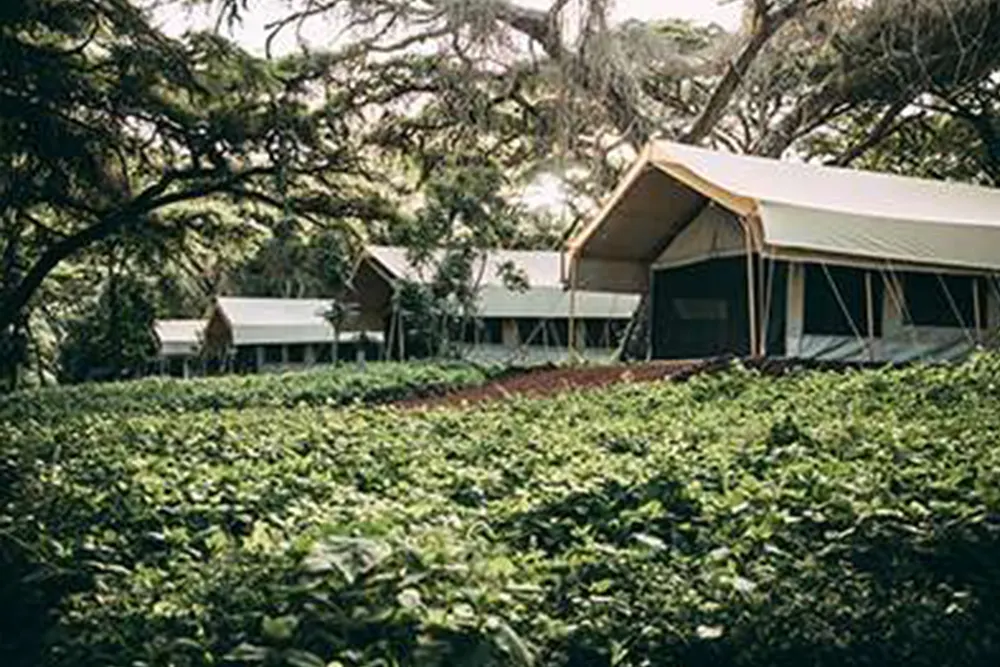
Witness the wildebeest calving season on a 3-day Tanzania Safari In February. Spot the Big Five in Serengeti and Ngorongoro with expert safari guides.
February is a special month as the Great Migration herds gather for the calving season. This 3-day Tanzania Safari In February offers a high-quality wildlife experience in the Serengeti and Ngorongoro Crater. You will witness thousands of newborn wildebeest and the predators that follow them. Our professional guides ensure you see the Big Five while enjoying the lush, green landscapes of northern Tanzania during this short dry season.
Upon arrival at Kilimanjaro International Airport (JRO), our driver will meet you for a private transfer to your hotel in Arusha. The drive covers 50 kilometers and takes about 1 hour. February provides clear skies and warm weather, often offering a beautiful view of Mount Meru as you enter the city. This day is for resting and receiving a briefing for your 3-day Safari In February. A positive and unexpected moment often occurs when you visit a local market and see the abundance of fresh seasonal tropical fruits available at this time of year.
Destination: Kilimanjaro Airport
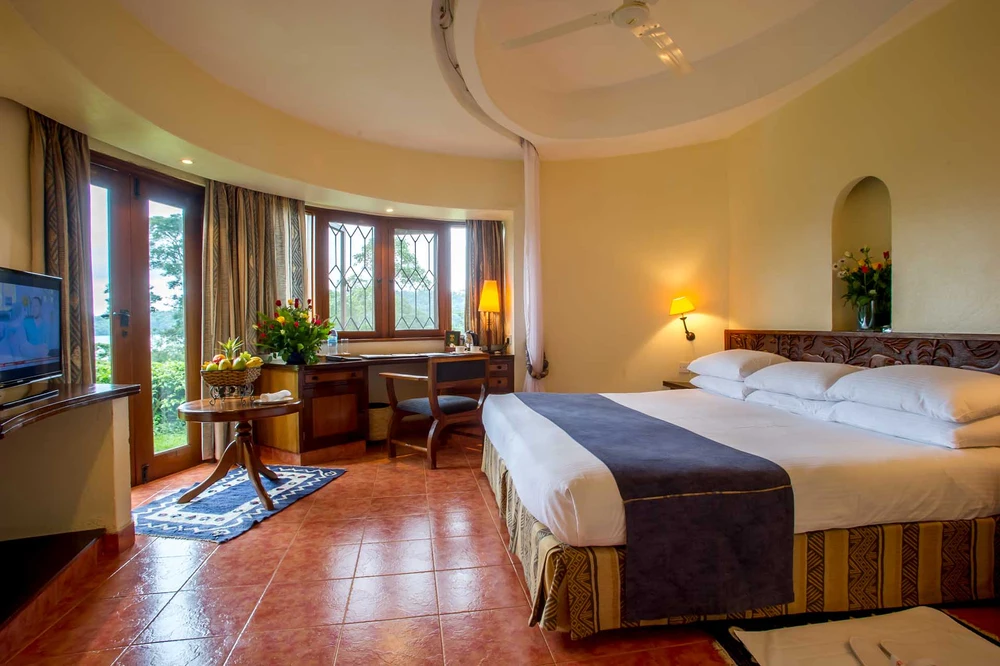
Accommodation: Arusha Serena Hotel
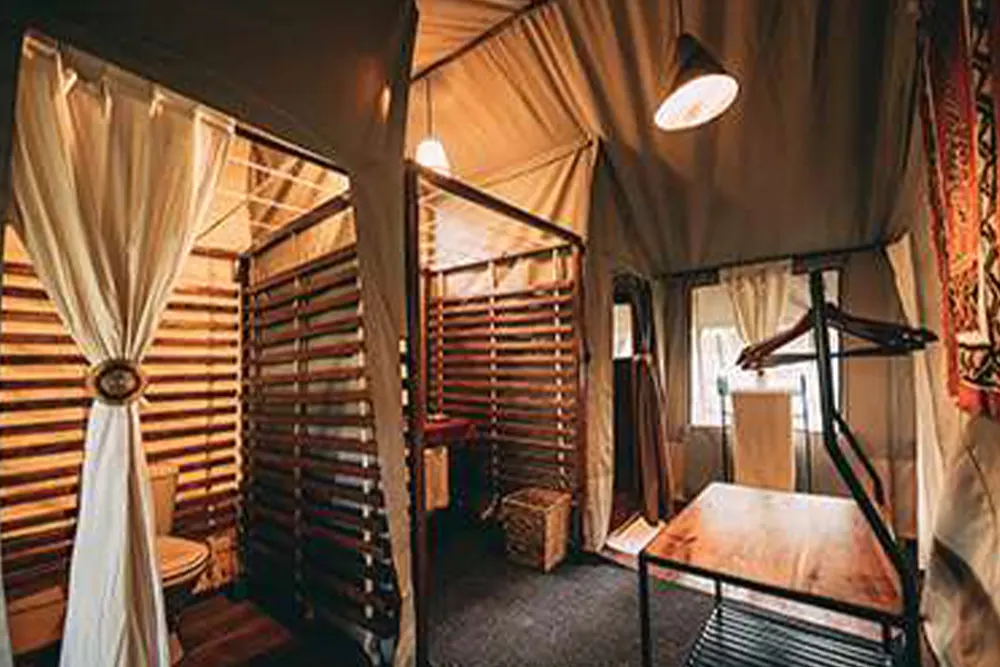
luxury 4 star lodge
Meals & Drinks: Breakfast, Lunch, Dinner
After an early breakfast, you will travel from Arusha to the Ngorongoro Conservation Area. The drive takes about 3 hours and covers 180 kilometers. You will spend the day on the floor of the Ngorongoro Crater, which is exceptionally green and vibrant in February. This is a prime time on your 3-day Safari In February in Tanzania to see the rare black rhino and large prides of lions. A positive moment often experienced by tourists is seeing the Lesser Flamingos on Lake Magadi in their brightest pink plumage, contrasted against the deep green grass of the crater floor. You will enjoy a picnic lunch before heading to your lodge.
Destination: Ngorongoro Crater
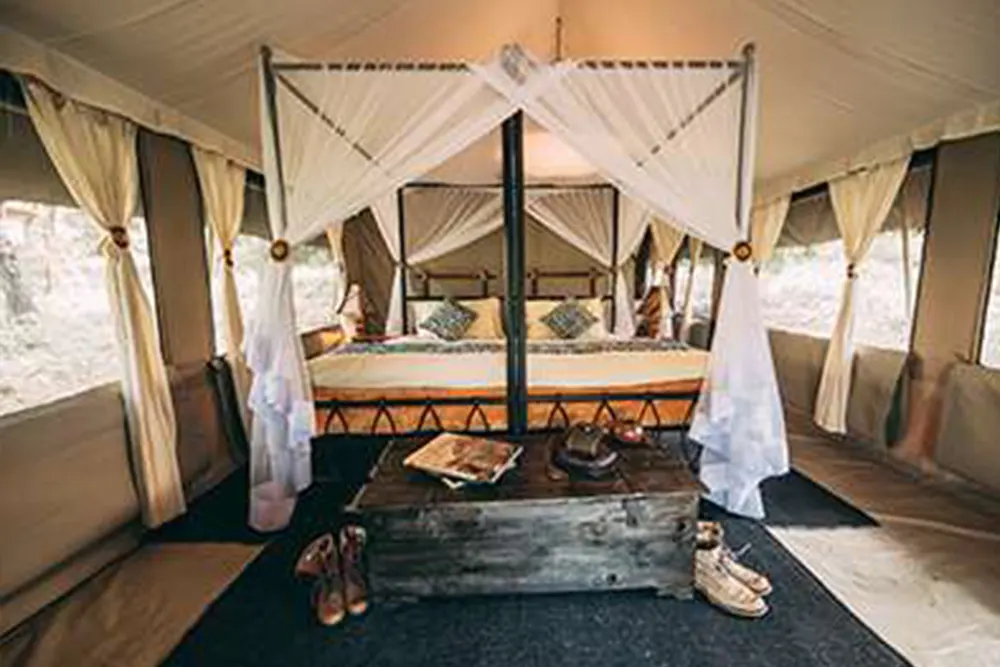
Accommodation: Ngorongoro Tortilis Camp
mid rage 3 star lodge
Meals & Drinks: Breakfast, Lunch, Dinner
Today, your 3-day Tanzania Safari In February continues toward the central Serengeti National Park. The journey covers 145 kilometers and takes roughly 4 hours. As you enter the Serengeti, you will notice the vast plains filled with life. February is the peak of the calving season, and you might experience the amazing sight of thousands of wildebeest calves taking their first steps. In the afternoon, you will explore the Seronera Valley, where leopards and cheetahs are often spotted in the acacia trees. A positive and unexpected moment is often seeing a cheetah mother with her cubs on a granite kopje, scanning the plains for their next meal.
Destination: Central Serengeti
Accommodation: Serengeti Sopa Lodge
luxury 4 star lodge
Meals & Drinks: Breakfast, Lunch, Dinner
The final day of your 3-day Safari In February begins with a 6:00 AM game drive. This is the best time to see lions and hyenas while the air is still cool. Watching the sun rise over the endless Serengeti savannah is a quiet and beautiful highlight of the trip. After a late breakfast at the camp, you will begin the return journey to Arusha. The drive covers 330 kilometers and takes about 7 to 8 hours. Along the way, you will pass through the scenic highlands of Karatu. An unexpected positive moment often happens when you stop at a viewpoint to see the vast expanse of the Great Rift Valley under the clear February sun. You will arrive in Arusha in the evening for your flight or overnight stay.
Destination: Central Serengeti
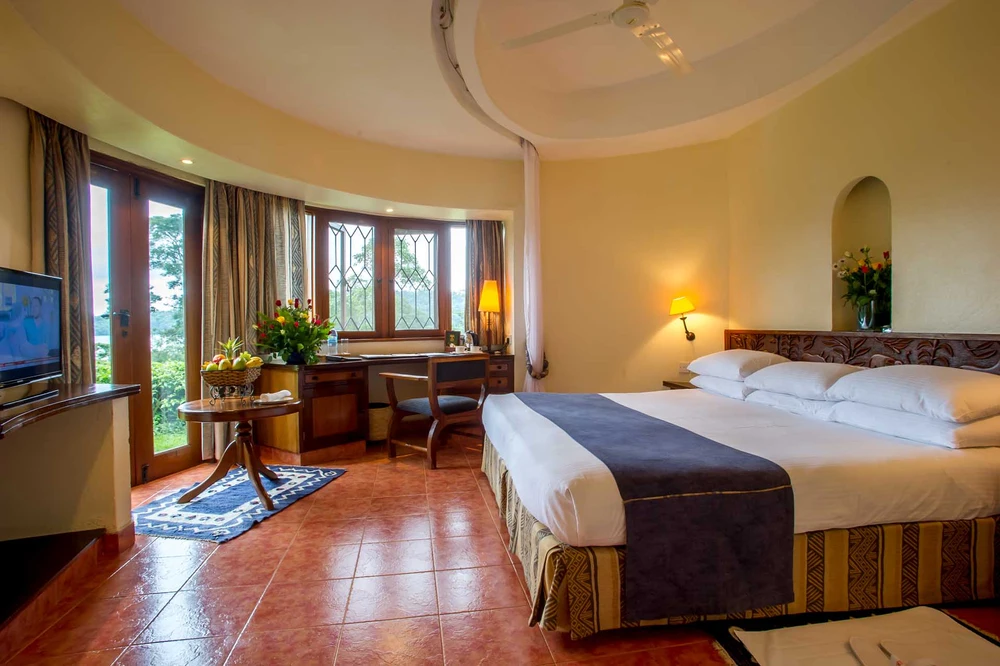
Accommodation: Arusha Serena Hotel
luxury 4 star lodge
Meals & Drinks: Breakfast, Lunch, Dinner
We offer two pricing options:
The cost is shared within your private group. More people means a lower price per person.
Join others on a fixed-date tour at a set per-person rate—ideal for solo travelers or small groups.
Pricing Notice: No activities or park fees were found for this itinerary (ID: 2628). Please check the admin panel and ensure fees are selected and saved.
The Booking Form
Witness the wildebeest calving season on a 3-day Tanzania Safari In February. Spot the Big Five in Serengeti and Ngorongoro with expert safari guides.
N.B: After you send your booking we will get back to you with in 24 hours.

What makes a three-day wildlife journey in February so special for visitors to the Serengeti and Ngorongoro?
February is the heart of the calving season in the southern plains where thousands of wildebeest give birth every day. This abundance of young life attracts many predators like lions, cheetahs, and hyenas, creating intense wildlife action. It is a unique time to witness the circle of life in the southern Serengeti and the surrounding conservation areas.
Is it likely to see the Big Five during this short February expedition through Northern Tanzania?
The Ngorongoro Crater is a reliable spot for black rhinos and massive bull elephants even during the short dry month of February. In the Serengeti, big cats are highly active as they hunt the newborn calves. Our experienced guides focus on these high activity zones to give you the best possible viewing chances.
What kind of weather conditions should I expect for a three-day Serengeti and Ngorongoro excursion in February?
February is typically a short dry spell between the rainy seasons, offering clear skies and warm temperatures. The landscape remains lush and green from previous rains, providing a beautiful backdrop for photography. It is generally one of the most pleasant months to be out in the bush.
Can I add a hot air balloon flight to my 3-day February wildlife tour in the Serengeti?
Can I add a hot air balloon flight to my 3-day February wildlife tour in the Serengeti? Yes, we can customize your second morning to include a sunrise balloon flight over the southern or central plains. This extra activity provides a breathtaking view of the massive herds and the landscape below. It is a popular upgrade that concludes with a champagne breakfast in the middle of the savannah.
Why is February considered a peak time for photography during a Serengeti and Ngorongoro safari?
The combination of green grass, blue skies, and high predator activity makes for stunning visual compositions. Since February is the calving peak, photographers often capture dramatic hunting scenes that are rare at other times of the year. The clear air also ensures that distant views of the crater rim are sharp and vibrant.
What type of lodging is included in this short February trip to Serengeti and Ngorongoro?
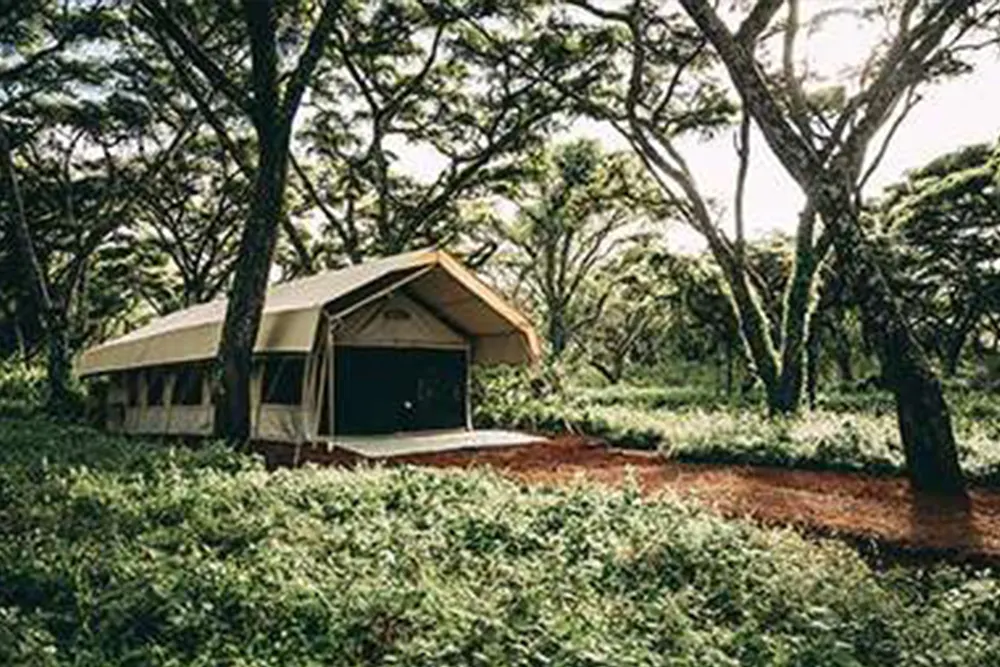
We provide options ranging from mobile tented camps that follow the migration to luxury permanent lodges. Staying in a mobile camp in the southern Serengeti puts you right in the middle of the calving action. All accommodations feature private facilities and provide full board meals throughout your stay.
How do you manage the travel time for a three-day Northern Tanzania safari during the calving season?
To maximize your time with the animals, we start early from Arusha to reach the southern plains by the first afternoon. We use well-maintained 4x4 vehicles to navigate the roads efficiently so you spend most of your daylight hours on game drives. Every hour is planned to balance travel with high quality wildlife encounters.
Is this three-day February wildlife tour suitable for families with young children?
This trip is excellent for families as the high density of animals keeps children engaged and excited. We can provide child-friendly vehicles and adjust the pace of the drives to ensure everyone stays comfortable. It is an educational experience that children usually find unforgettable during their school breaks.
Are there any cultural experiences I can add to this Serengeti and Ngorongoro package?
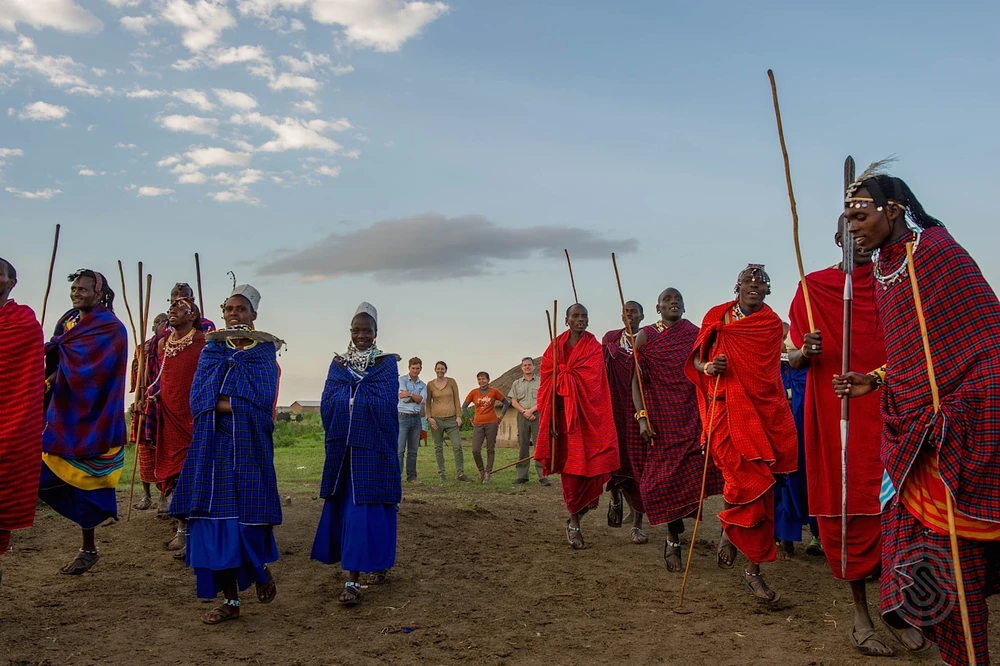
You can choose to visit a Maasai boma near the Ngorongoro Conservation Area to learn about their traditional way of life. This brief visit adds a wonderful human element to your wildlife focused journey through the Tanzanian wilderness. It is a great way to support local communities while learning about their culture.
What are the essential items to pack for a short 3-day February safari in Serengeti and Ngorongoro?
We recommend bringing light layers of clothing, a good pair of binoculars, and a high-quality camera with a zoom lens. Since the crater rim can be chilly in the early morning, a warm jacket or fleece is also necessary. Sun protection like a wide-brimmed hat and high-SPF sunscreen is vital for the sunny afternoons.
Stable Vehicles and Expert Support for Perfect Long-Distance Shots
Photos related to the place visited
Identifying Flora with a Knowledgeable Safari Guide
Photos related to the place visited
A Seamless Safari for Focused Soil Sampling
Photos related to the place visited
Enriching Our Observations with Geological Expertise
Photos related to the place visited
Enriching Our Observations with Geological Expertise
Photos related to the place visited
Coastal Escape: Spotting Lions in Just a Day
Photos related to the place visited
A wonderful experience that perfectly balanced professional research needs
Photos related to the place visited
“Burigi Chato Safaris CO LTD organized everything perfectly,
Photos related to the place visited
“I was worried about the tight schedule
Photos related to the place visited
Masterful Guidance, Stunning Views: A Crater Safari
Photos related to the place visited