Experience a 4-day Tanzania research safari focused on conservation. Learn about ecology in Tarangire, Serengeti, and Ngorongoro with expert scientific guides.
This 4-day Tanzania research safari is designed for those interested in the science of wildlife conservation and animal behavior. You visit Tarangire, Serengeti, and Ngorongoro to learn from professional guides with a background in ecology. This 4-day research safari in Tanzania provides a deeper understanding of how these ecosystems are managed. A 4-day research safari in Tanzania is a great way to see the Big Five while contributing to a better understanding of the African wilderness through data-focused viewing.
Your guide meets you at Kilimanjaro International Airport for a 50-kilometer transfer to Arusha, taking one hour. You spend the night at your hotel, reviewing the local species lists for your 4-day research safari in Tanzania. Arusha is home to many conservation organizations. A positive moment you may experience is a short briefing from a local biologist, which gives you a professional perspective on the wildlife challenges in the region, making your upcoming safari feel meaningful.
Destination: Kilimanjaro Airport
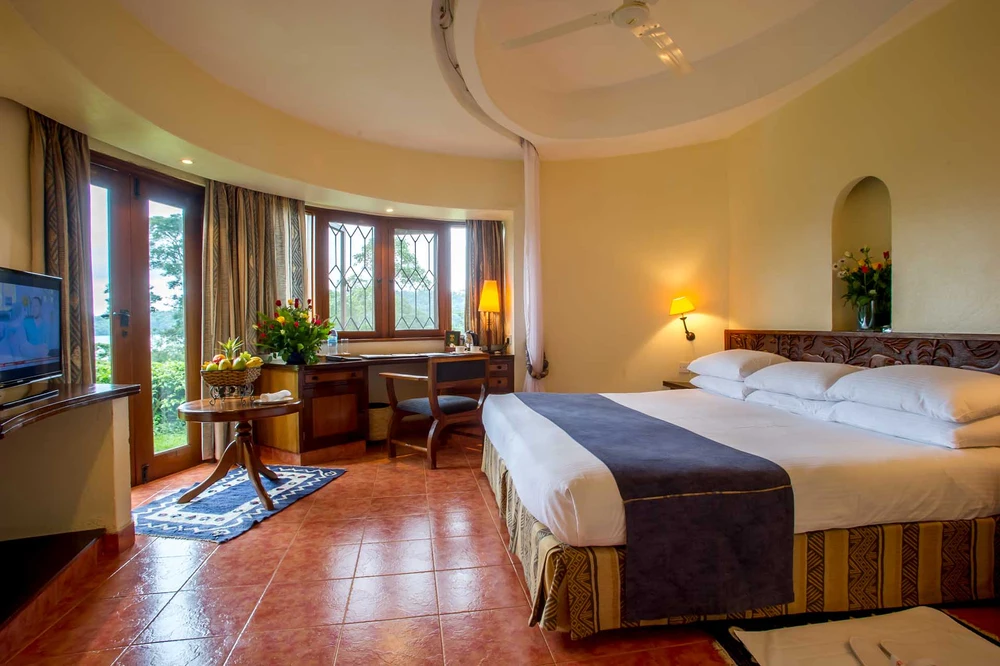
Accommodation: Arusha Serena Hotel
luxury 4 star lodge
Meals & Drinks: Lunch, Dinner
The 4-day research safari starts with a 120-kilometer drive to Tarangire, taking about two hours. You spend the day observing elephant social structures and the impact of baobab trees on the environment. A surprising moment occurs when you witness a complex social interaction between different elephant families at a waterhole, where your guide explains the communication methods being used, turning a standard sighting into a fascinating lesson in animal psychology and social science during your first day.
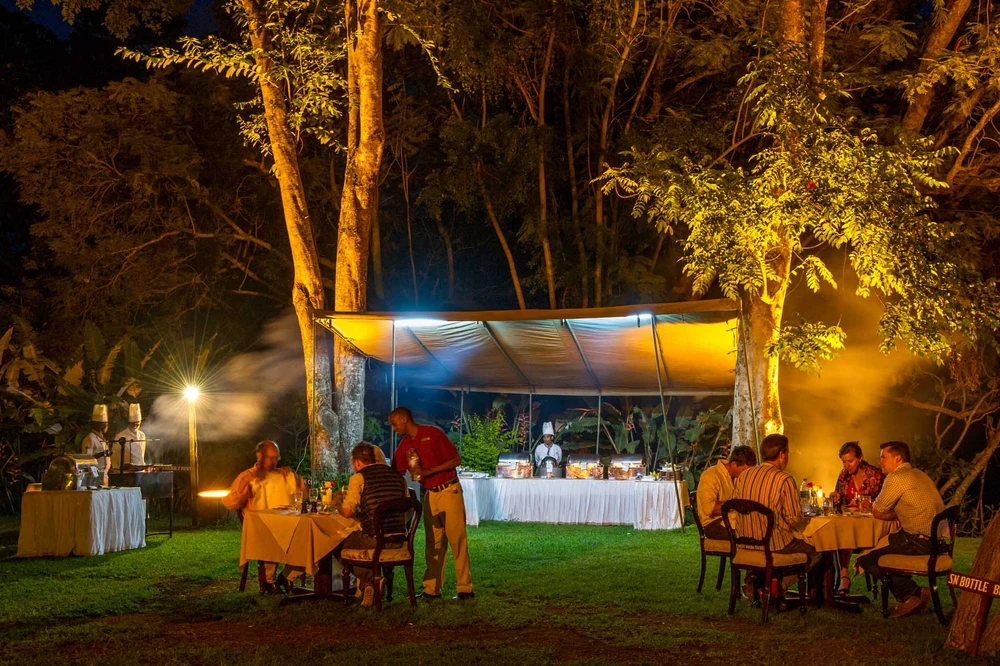
Destination: Tarangire
Accommodation: Lemala Mpingo Ridge
luxury 5 star lodge
Meals & Drinks: Breakfast, Lunch, Dinner
After breakfast, you travel 210 kilometers to the Serengeti, a journey of six hours through the volcanic highlands. On this 4-day Tanzania research safari, you spend the afternoon on the plains watching lions and cheetahs. You might experience the unexpected sight of a research vehicle tracking wildlife, providing a real-world look at how scientists monitor animal health. This connection to active conservation work adds a deep sense of purpose to your journey through the endless plains.
Destination: Central Serengeti
Accommodation: Serengeti Sopa Lodge
luxury 4 star lodge
Meals & Drinks: Breakfast, Lunch, Dinner
Your 4-day research safari in Tanzania continues with a morning drive across the plains to collect data on predator sightings. You spend four hours exploring before driving 140 kilometers to the Ngorongoro region, which takes about four hours. A wonderful unexpected moment is stopping at a quiet overlook where your guide points out the different vegetation zones of the crater rim, providing a clear visual lesson on how altitude affects the biodiversity of the northern circuit.
Destination: Central Serengeti
Accommodation: Rhino Lodge
luxury 4 star lodge
Meals & Drinks: Breakfast, Lunch, Dinner
The final day involves a six-hour tour of the Ngorongoro Crater floor to observe rhinos and lions. Afterward, you drive 190 kilometers back to Arusha, taking about four hours. You might experience the surprising sight of a group of park rangers conducting a census of the buffalo herds, providing a hands-on example of the active management required to keep these parks healthy, leaving you with a sense of contribution to Tanzania’s natural heritage after your 4-day research safari.
Destination: Ngorongoro Crater
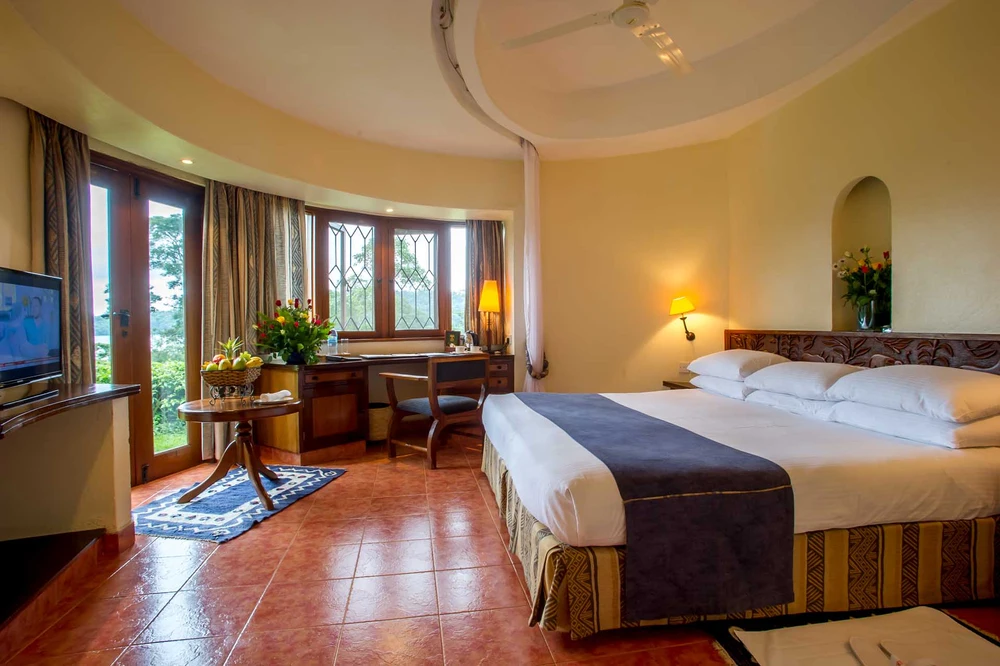
Accommodation: Arusha Serena Hotel
luxury 4 star lodge
Meals & Drinks: Breakfast, Lunch, Dinner
We offer two pricing options:
The cost is shared within your private group. More people means a lower price per person.
Join others on a fixed-date tour at a set per-person rate—ideal for solo travelers or small groups.
| No of pax | Adult | Child |
|---|---|---|
| 1 Pax | $90 pp | $68 pp |
| 2 Pax | $90 pp | $68 pp |
| 3 Pax | $90 pp | $68 pp |
| 4 Pax | $90 pp | $68 pp |
| 5 Pax | $90 pp | $68 pp |
| 6 Pax | $90 pp | $68 pp |
| 7+ Pax | $90 pp | $68 pp |
The Booking Form
Experience a 4-day Tanzania research safari focused on conservation. Learn about ecology in Tarangire, Serengeti, and Ngorongoro with expert scientific guides.
N.B: After you send your booking we will get back to you with in 24 hours.
What makes the 4-day research expedition in Tanzania distinct from a regular sightseeing tour?
Unlike standard trips, this program focuses on in depth wildlife observation and ecological data collection. You spend more time at specific locations to document animal behavior and habitat interactions rather than just ticking off the big five. It is designed for students, photographers, and nature enthusiasts who want a deeper connection with the environment through a structured four day research expedition in Tanzania.
How is the four day schedule divided between Tarangire, Serengeti, and the Ngorongoro crater?
The first day is dedicated to Tarangire National Park, where the focus is often on elephant population dynamics and baobab ecology. You then travel to the Serengeti for two nights to study the vast savanna ecosystem and predator prey relationships. The final day involves a descent into the Ngorongoro Crater for a concentrated study of its unique, enclosed biosphere before returning to Arusha
What specific ecological studies can we perform during our time in Tarangire National Park?
Tarangire is a primary site for observing massive elephant herds and their impact on the local vegetation. Researchers often document migration patterns toward the Tarangire River and the nesting habits of endemic bird species. The park provides an excellent baseline for understanding water dependent ecosystems during the dry season
Does the safari vehicle provide specific amenities for research equipment like laptops or cameras?
Yes, our 4x4 Land Cruisers are modified to support technical work with onboard power inverters and multiple charging ports. This allows you to keep your electronic journals, cameras, and GPS devices fully powered while in the field. The pop up roof also serves as an excellent elevated platform for long range observation and photography
Where will we stay during our two nights in the Serengeti during this research trip?
Accommodation is typically provided in high quality tented camps or lodges located near active wildlife corridors. These sites are chosen to keep you close to the natural sounds and movements of the park even after the game drives end. The camps offer private bathrooms and comfortable beds, ensuring you are well rested for early morning field sessions.
Can we alter our research focus to study specific animal behaviors like predator hunting patterns?
The itinerary is flexible enough to allow for customized observation periods if you have a specific interest. Your guide will work with you to prioritize areas where certain species, like lions or cheetahs, are known to be active. Since this is a private tour, you have the freedom to spend several hours at a single sighting to capture detailed behavioral data.
Are the guides specialized in wildlife biology for this research-oriented safari?
Every guide assigned to our research-oriented safari possesses advanced knowledge of Tanzanian flora and fauna. They are trained to identify subtle animal behaviors and explain the complex relationships within the northern circuit ecosystems. Their expertise ensures that your data collection is accurate and backed by local ecological context.
What kind of data collection is possible within the unique ecosystem of the Ngorongoro Crater?
The crater floor offers a rare opportunity to study a high density of animals within a confined geological boundary. You can perform census work on the resident wildebeest herds or track the movements of the endangered black rhinoceros. The limited entry and exit points make it a perfect natural laboratory for observing territorial boundaries
Is it possible to add a visit to the Olduvai Gorge to our four day itinerary?
Yes, we can easily alter the route between the Serengeti and Ngorongoro to include a stop at this world famous archaeological site. This addition allows you to study paleoanthropology and the history of human evolution in the region. It is a highly recommended stop for those interested in the geological timeline of the Great Rift Valley.
How are meals handled during long days spent in the field for observation?
We provide high quality picnic lunch boxes that allow you to stay in the field as long as your observations require. This eliminates the need to return to camp in the middle of the day and ensures you do not miss critical behavioral events. Breakfasts and dinners are served at the lodge or camp, featuring fresh ingredients and accommodating all dietary needs.
No reviews available for this tour.