Arrival Day: Arrival (Kilimanjaro Airport) – Arusha

A driver will meet you at Kilimanjaro International Airport and provide a transfer to your hotel in Arusha. The drive takes about one hour through local plains and views of Mount Meru. This day is for resting and meeting your guide for a short briefing about the research objectives of the 5-day research safari. You will learn about the data collection tools and the ethical guidelines for observing wildlife. Arusha is a quiet city, providing a perfect base to organize your equipment and prepare for the field.
Destination: Kilimanjaro Airport
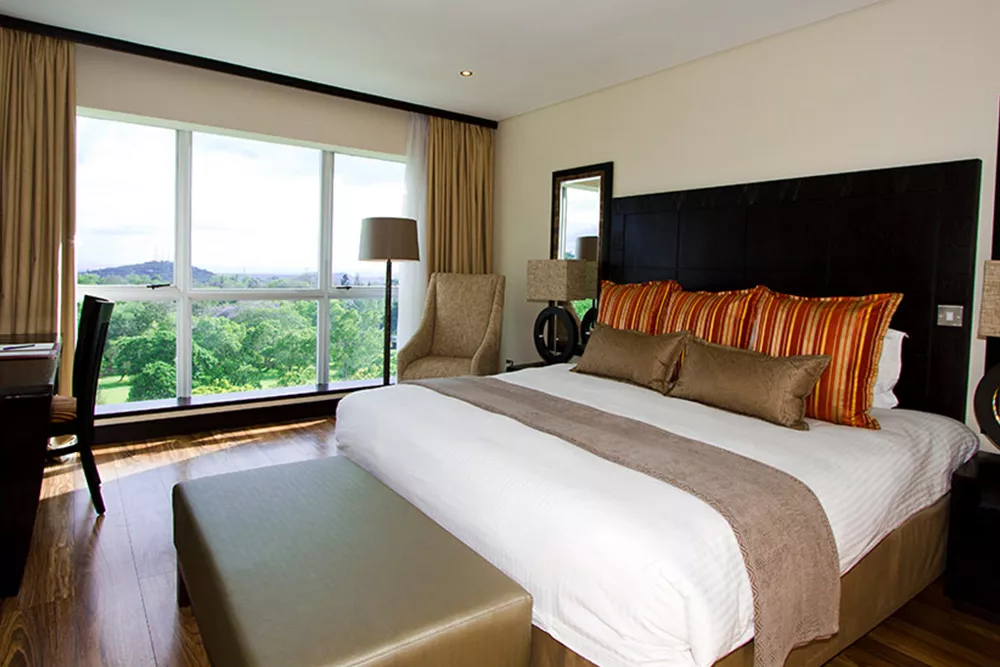
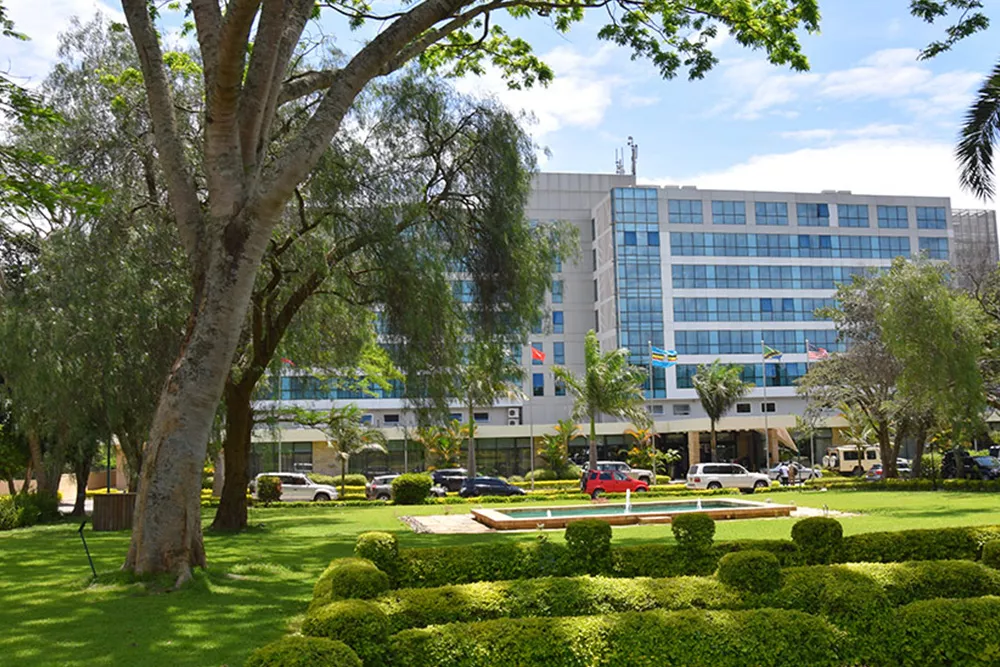
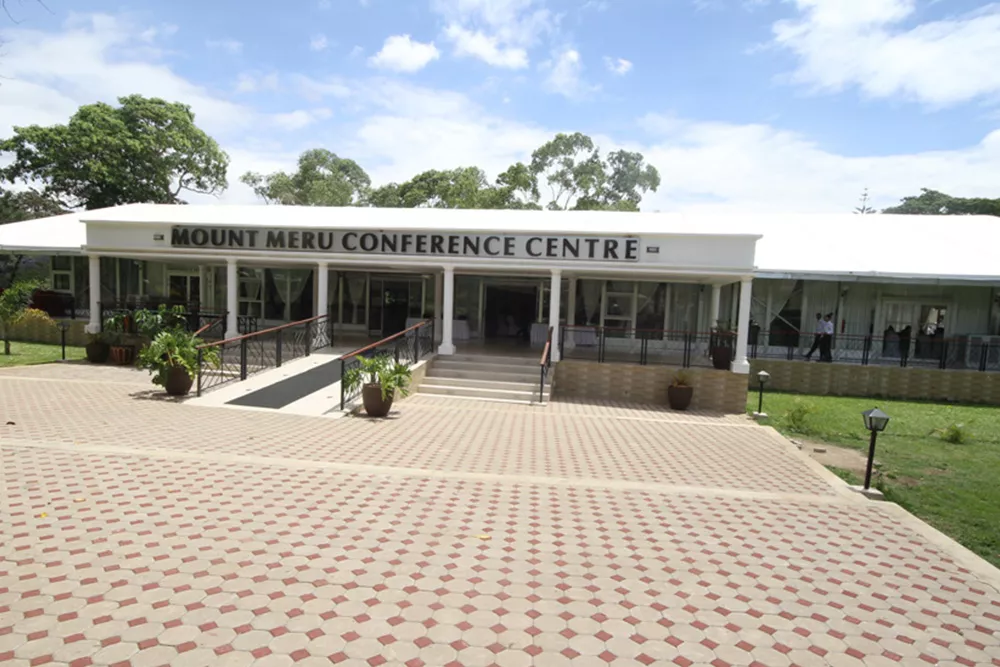
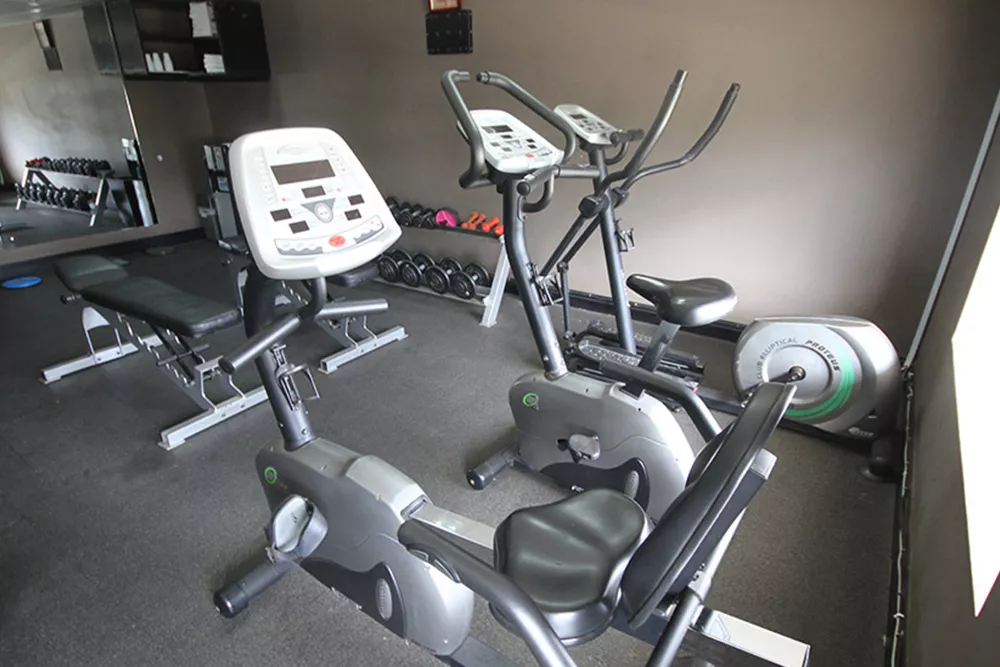
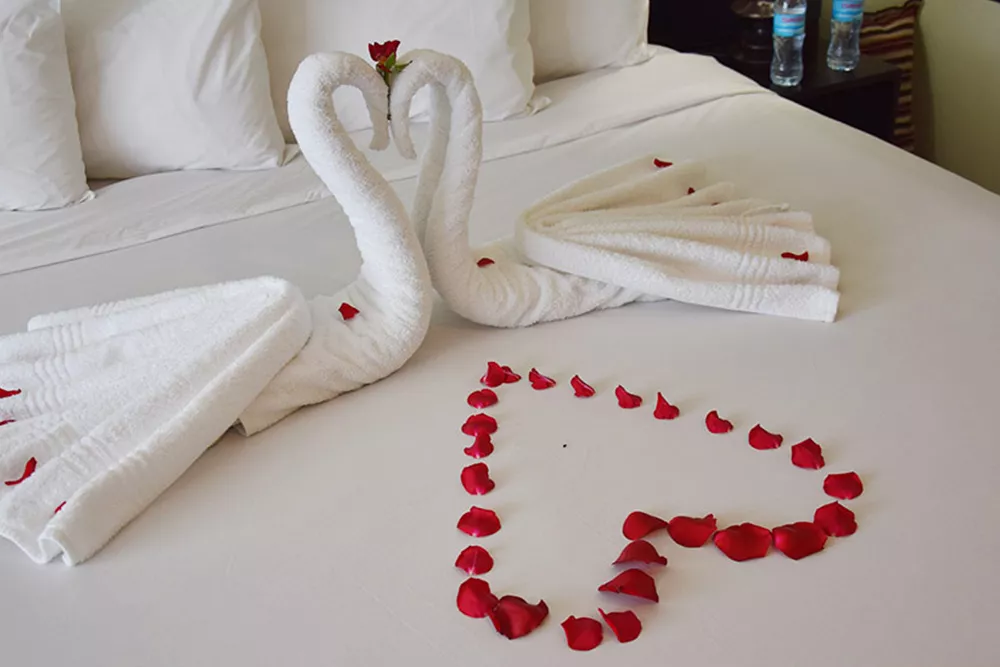
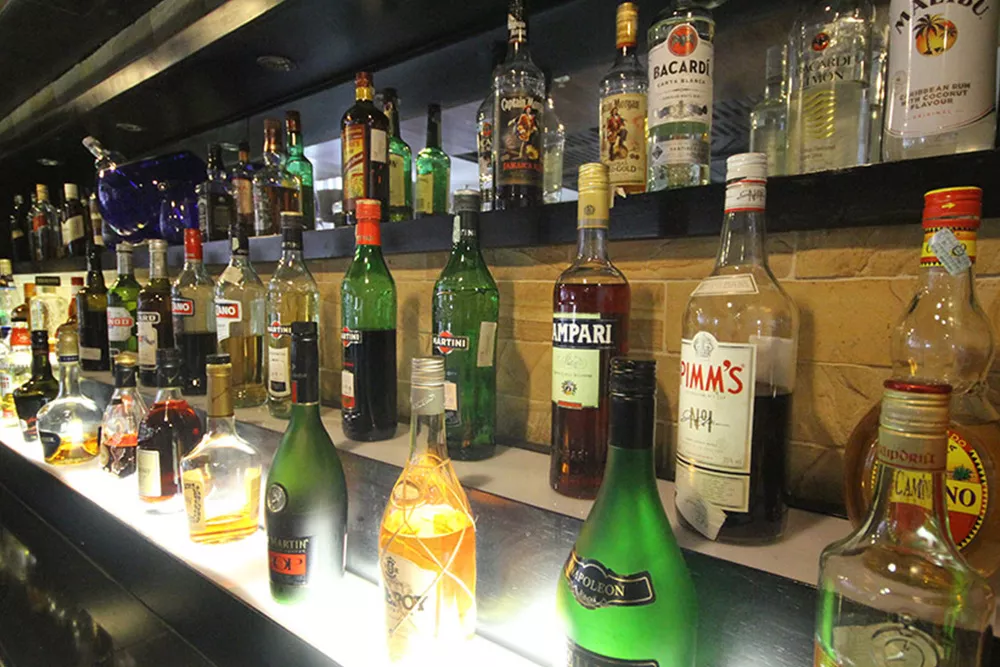
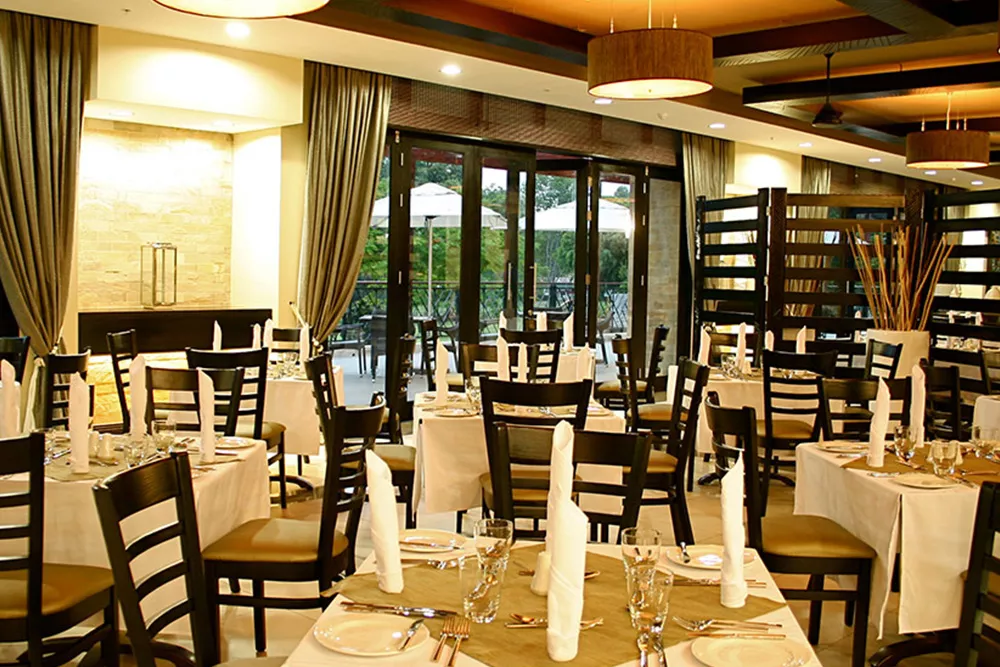
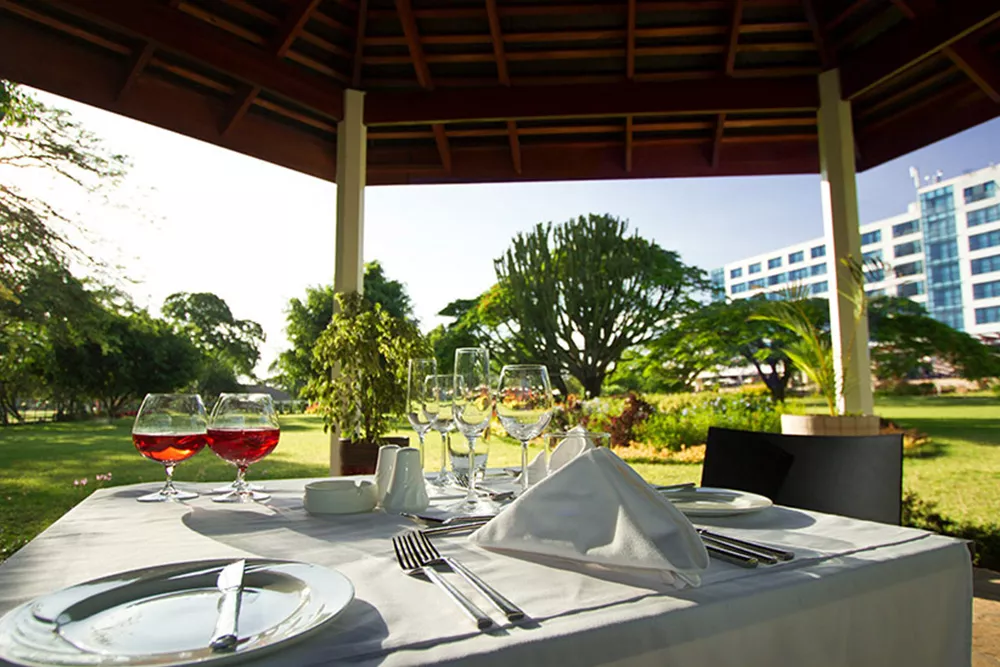
Accommodation: Mount Meru Hotel
luxury 4 star lodge


Meals & Drinks: Lunch, Dinner
Day 1: Arusha to Tarangire (Full Day Tour)

The journey starts with a drive to Tarangire National Park, which is about 120 kilometers away and takes 2 to 3 hours. Tarangire is famous for its massive elephant herds and ancient baobab trees. You will spend the day on a full day game drive focusing on herbivore population counts and elephant behavior near the Tarangire River. A positive unexpected moment might be finding a rare bird species or a python hidden in the swampy areas. You will travel back to your lodge in the evening for dinner and a discussion about the day’s findings.
Destination: Tarangire
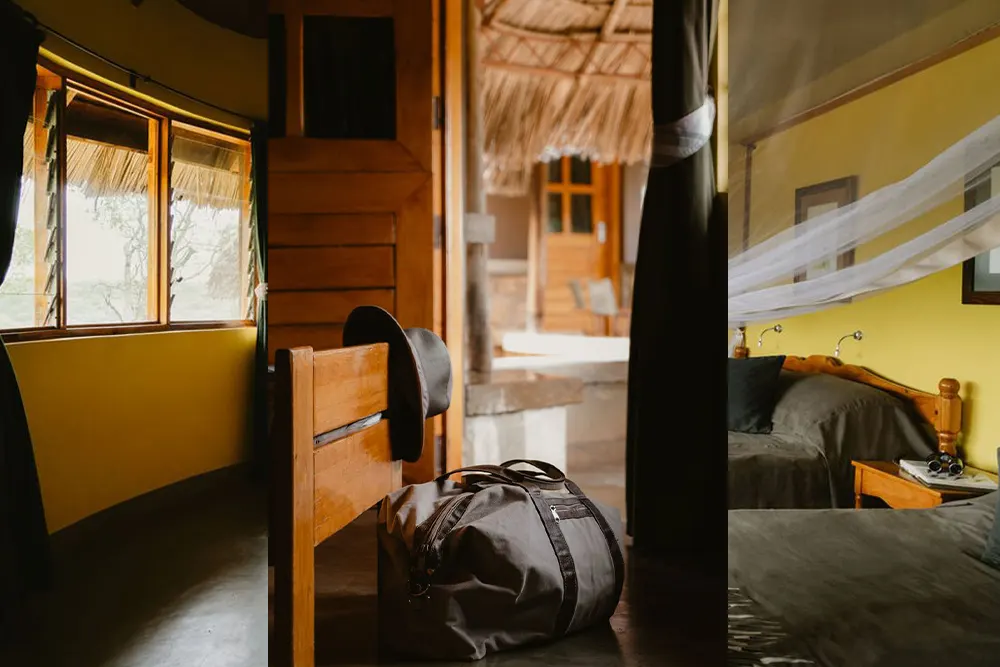
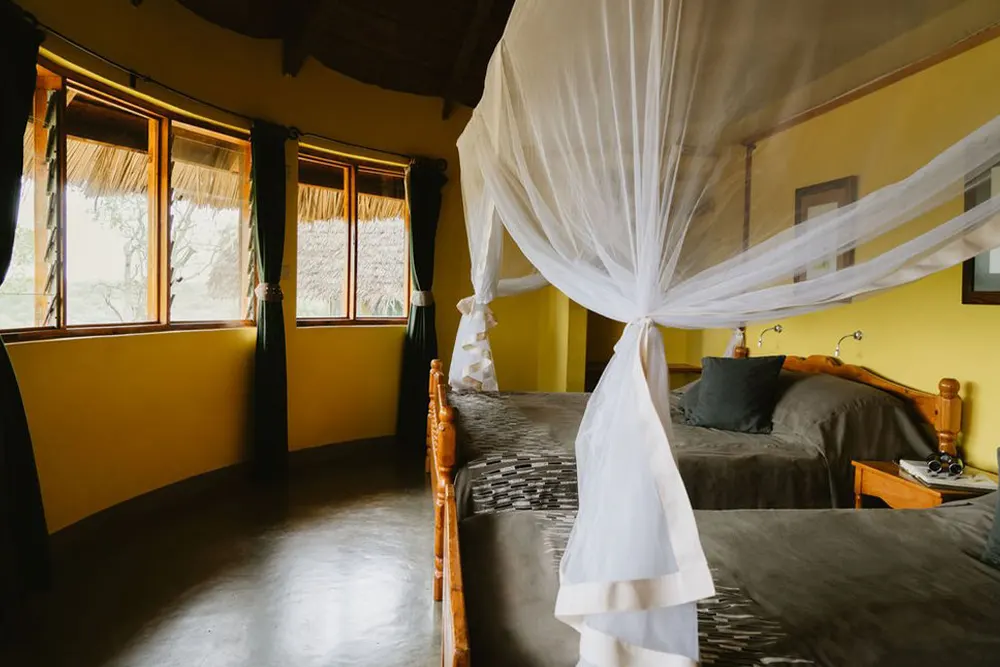
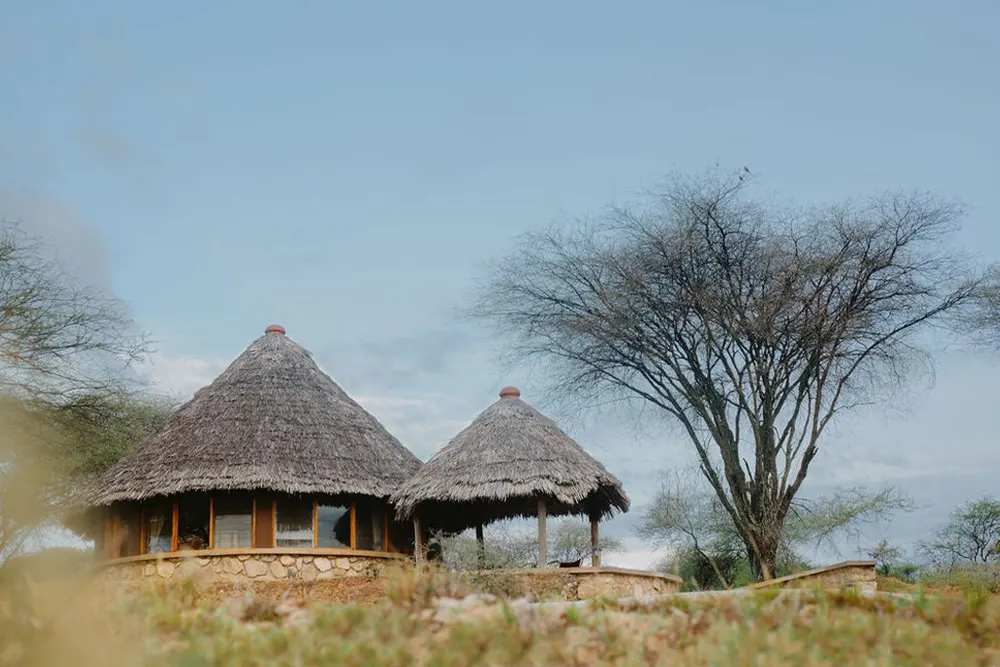
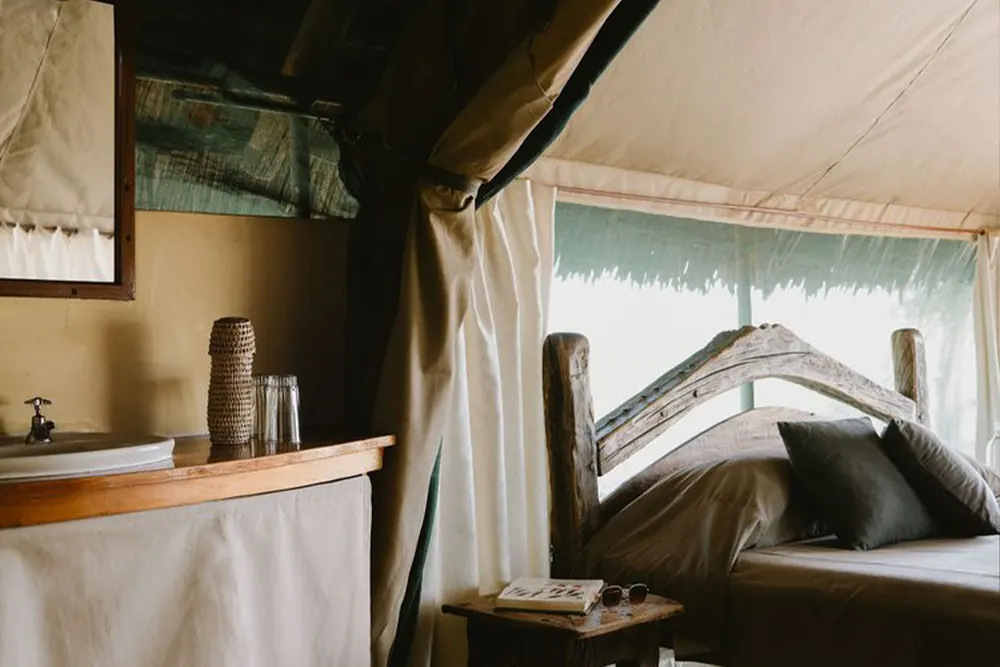
Accommodation: Tarangire Safari Lodge
luxury 4 star lodge
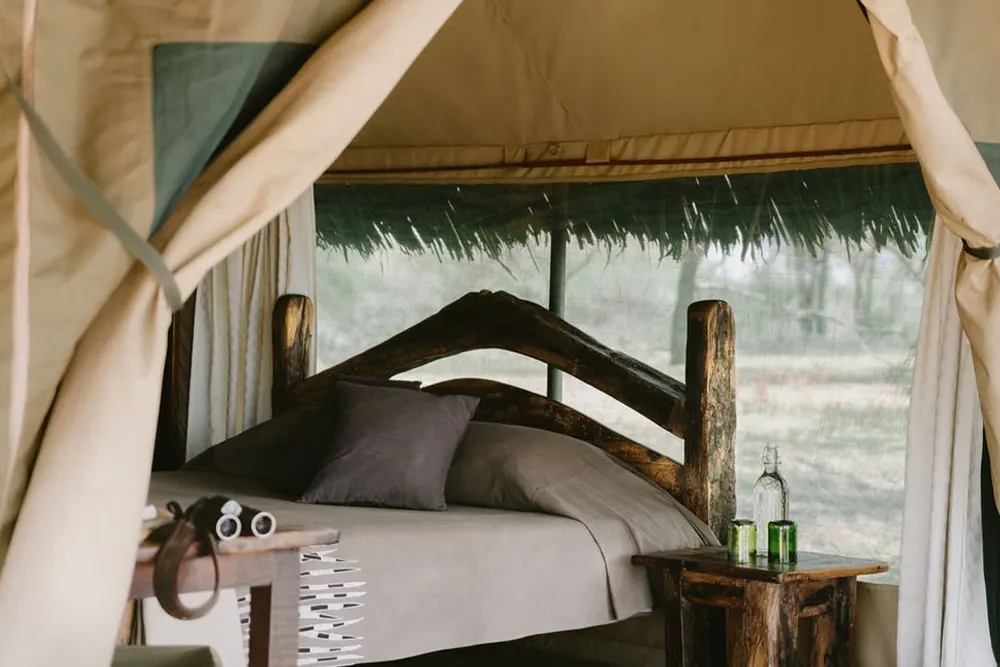
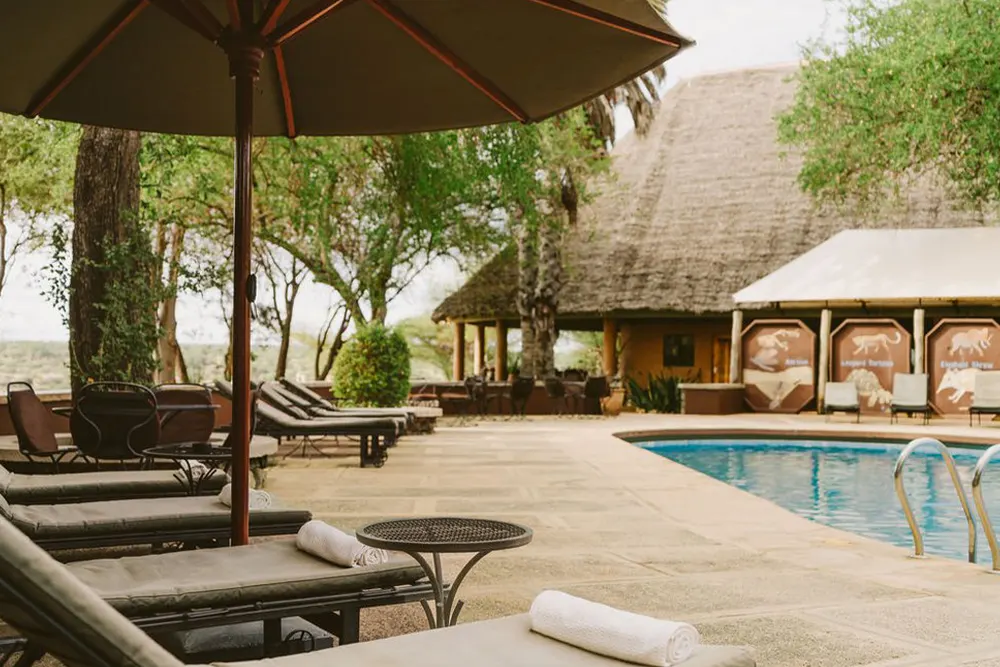
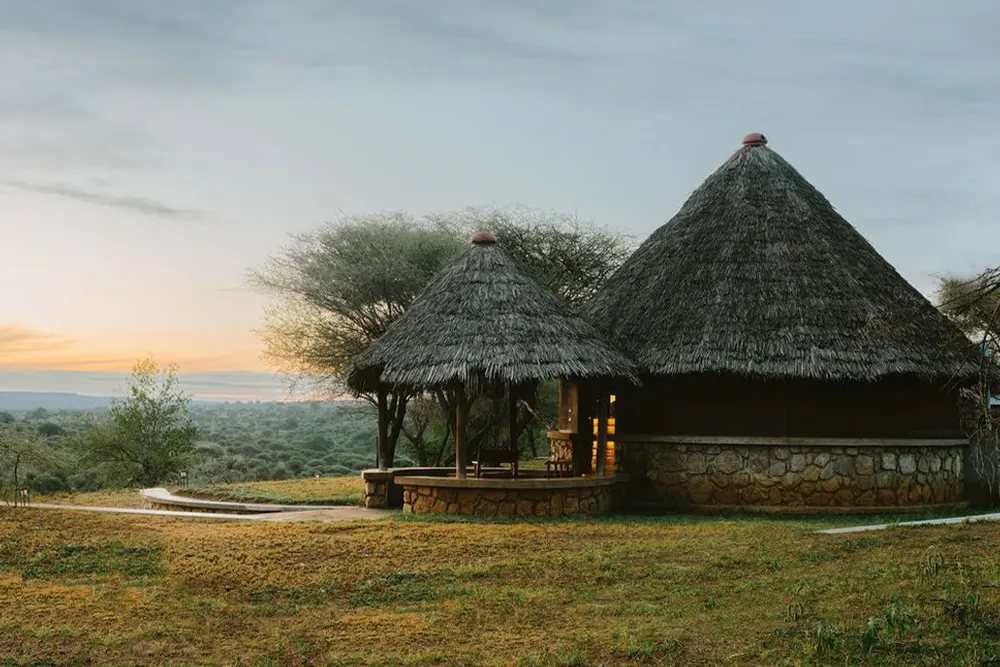
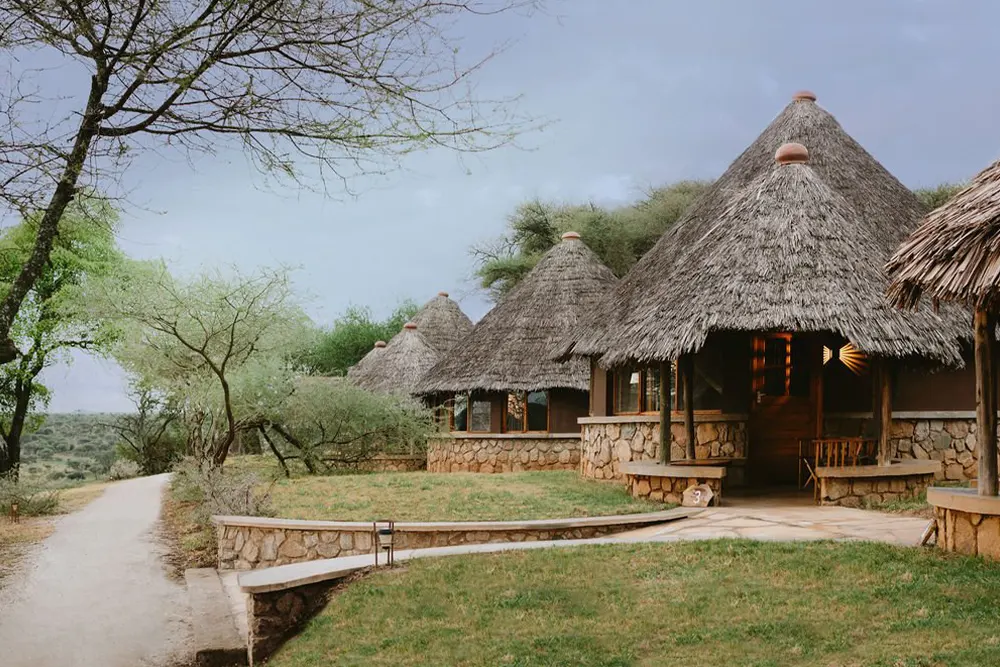

Meals & Drinks: Breakfast, Lunch, Dinner
Day 2: Tarangire to Serengeti Central (Half-Day Game Drive)

After breakfast, you will drive toward the Central Serengeti, a journey of 250 kilometers taking about 6 hours. You will pass through the Ngorongoro Highlands, offering panoramic views of the agricultural landscapes. In the afternoon, you will begin a half day game drive in the Seronera Valley. This area is essential for studying predator density, especially leopards and lions. A surprising moment could be spotting a pride with young cubs, allowing you to observe social structures and nursery behavior in a natural setting.
Destination: Central Serengeti
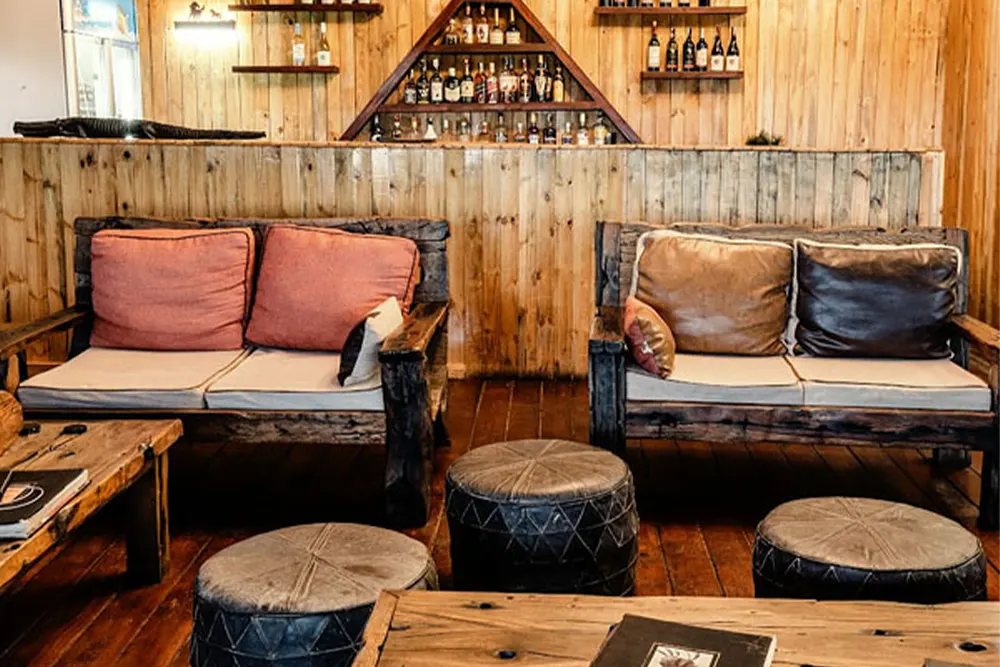
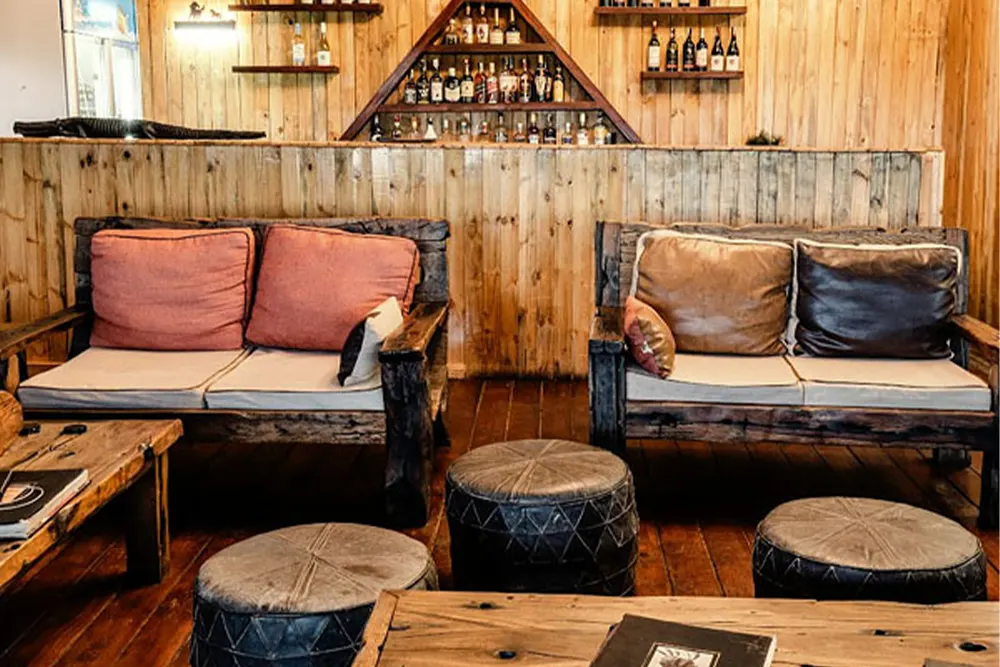
Accommodation: Angata Serengeti Camp
mid rage 3 star lodge
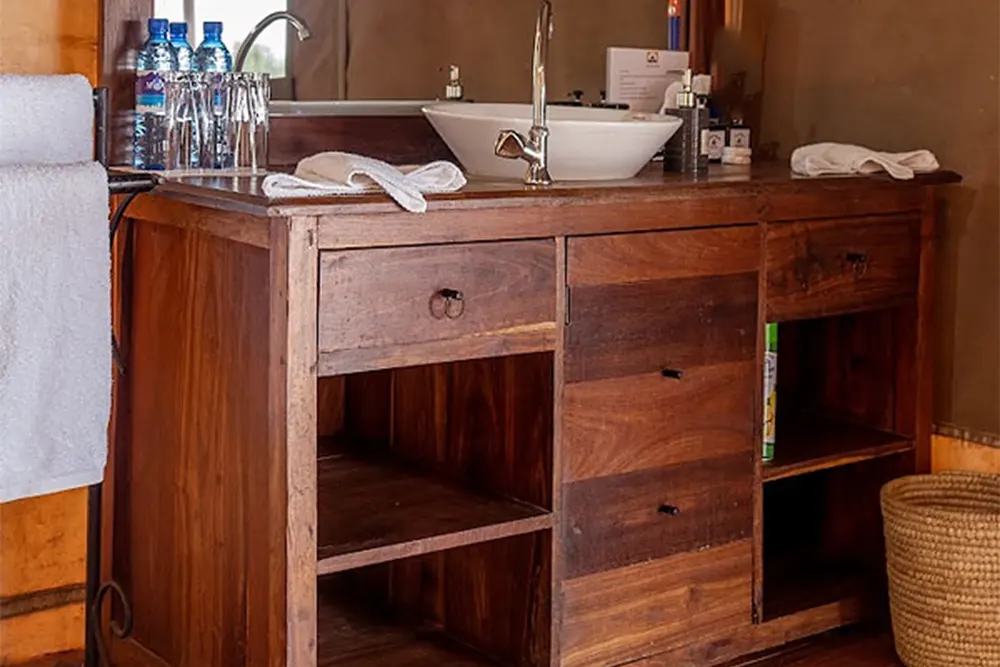
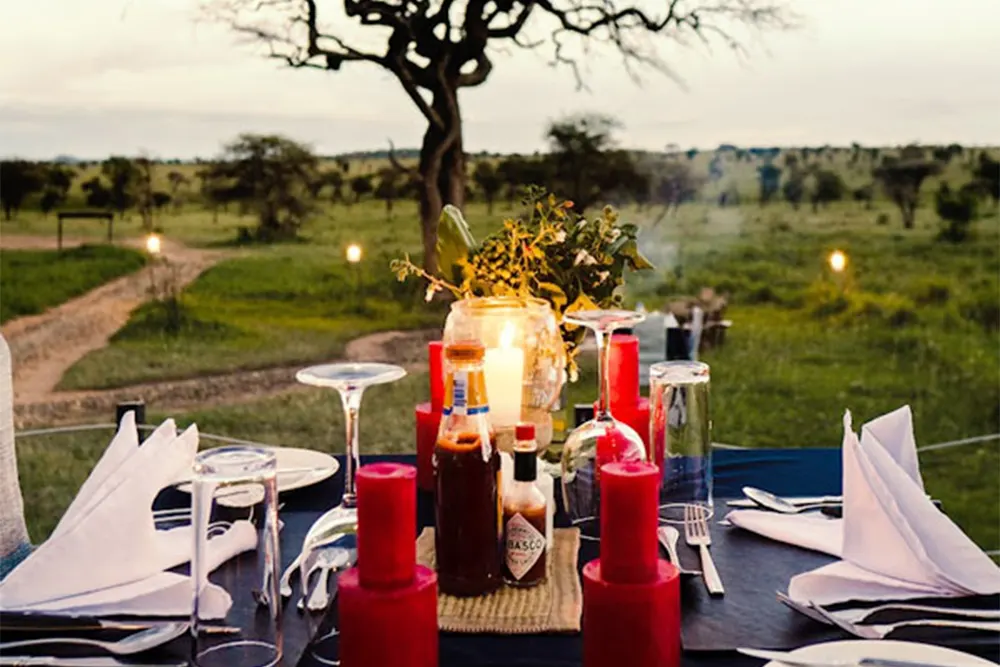
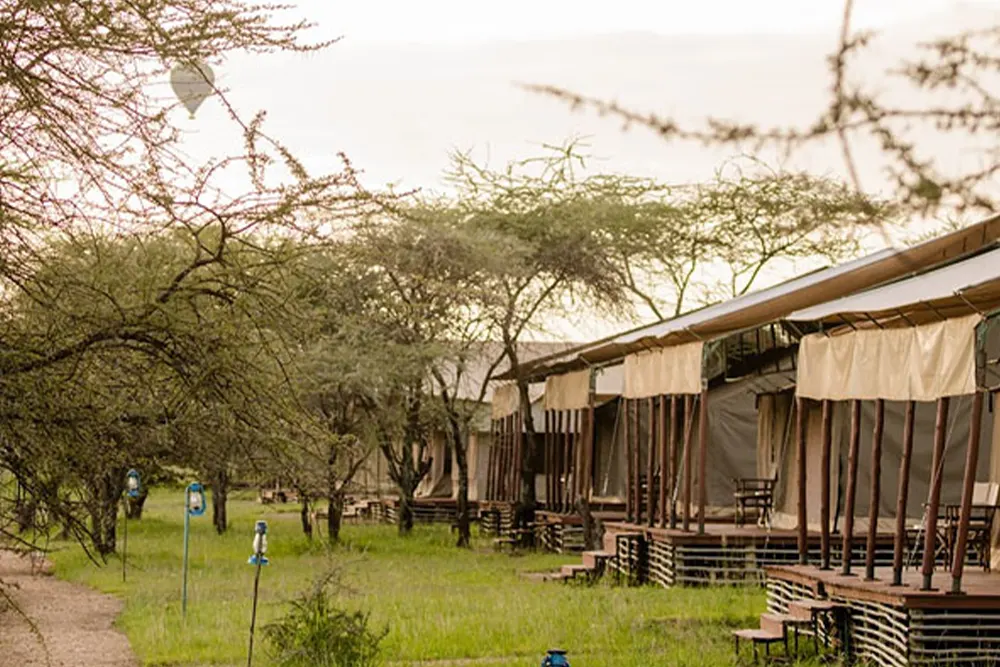
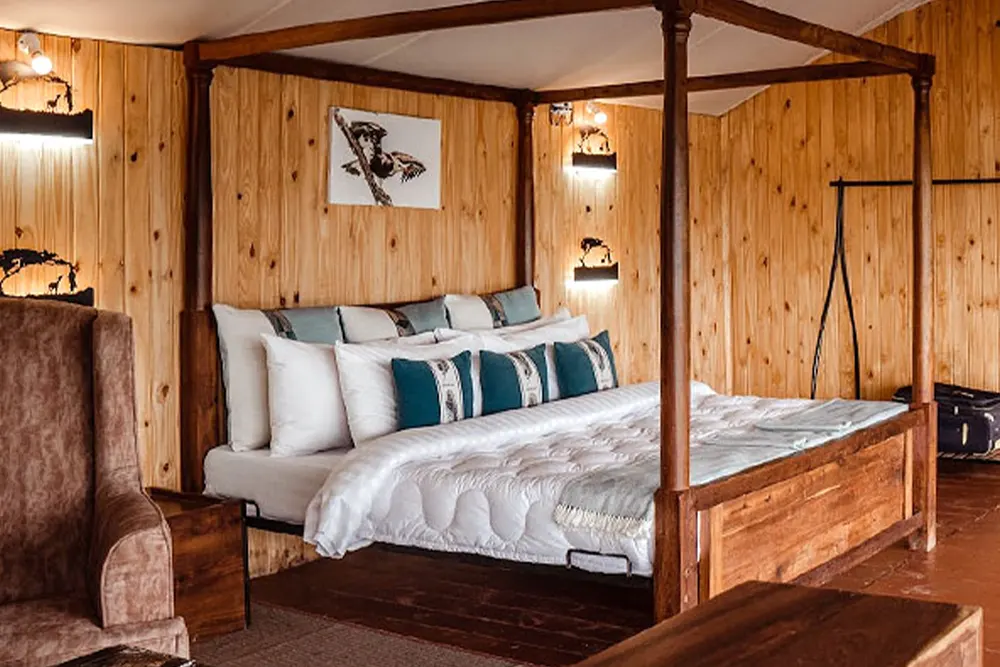
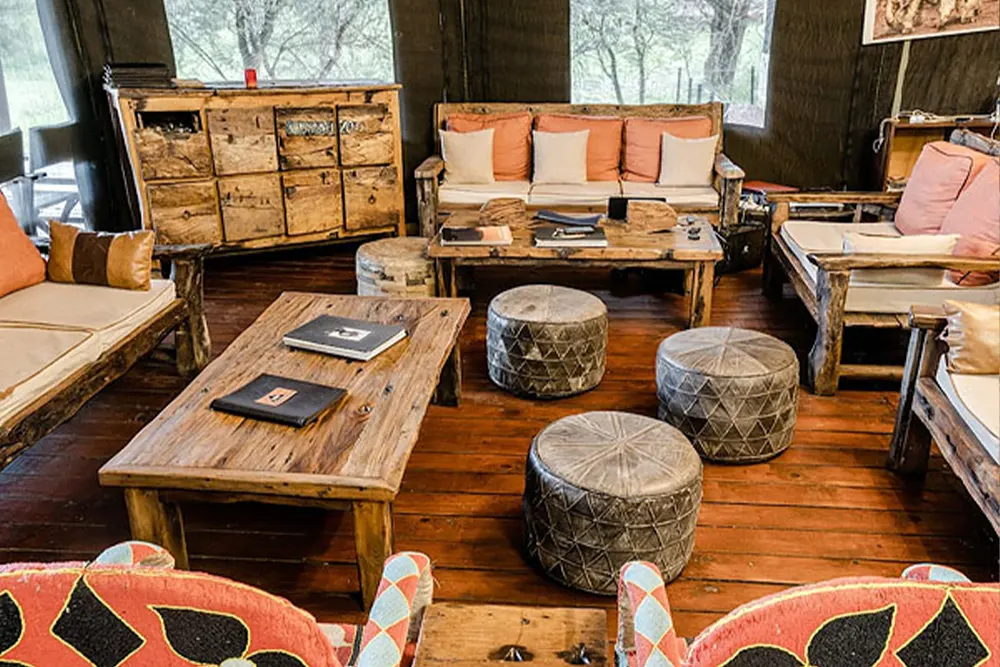
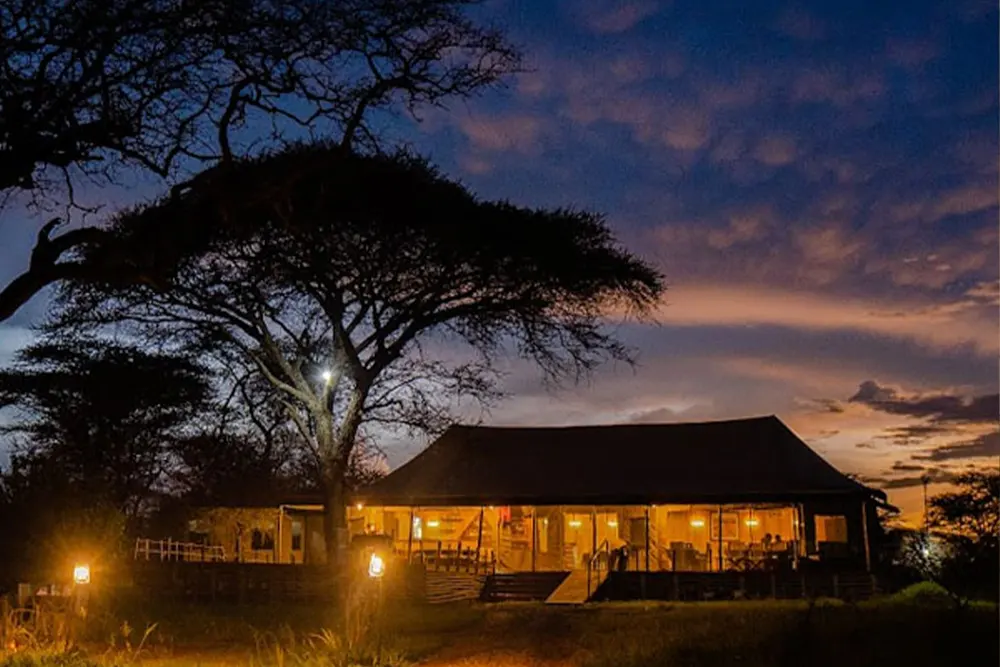
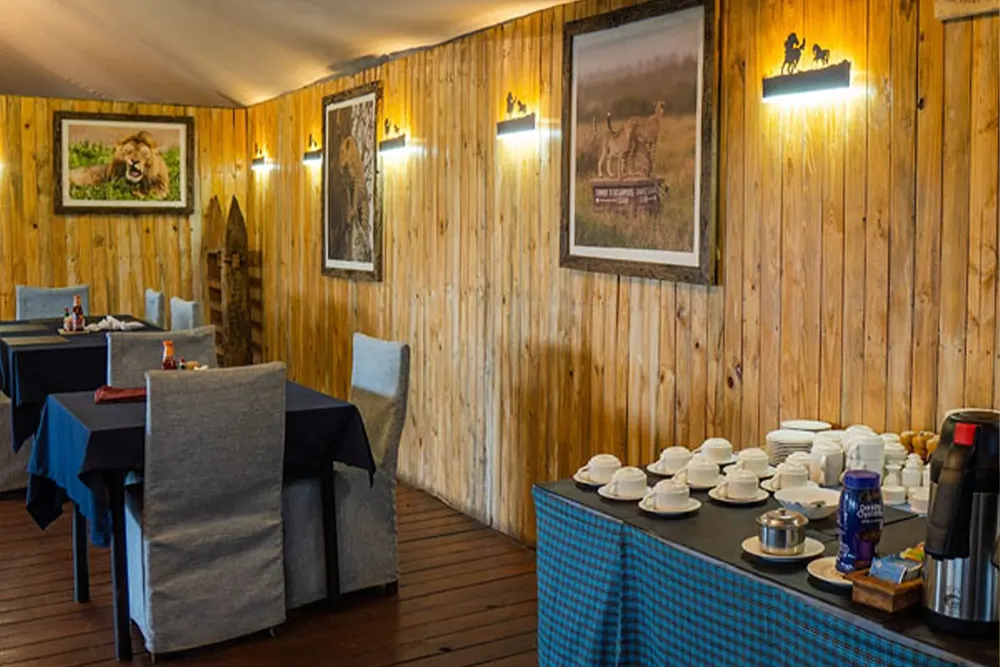
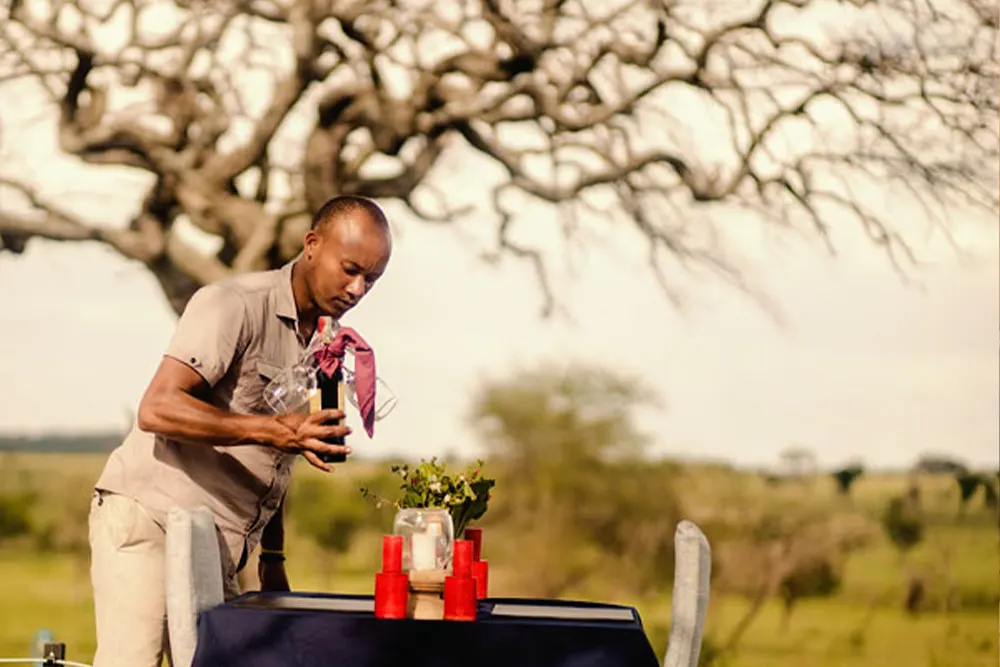
Meals & Drinks: Breakfast, Lunch, Dinner
Day 3: Central Serengeti – Northern Serengeti (Full Day Tour)

Today you head north to reach the heart of the Great Migration. The drive covers 140 kilometers and takes 5 hours through rolling hills and woodlands. This 5-day research safari in Serengeti Migration focuses on tracking the movement density of the wildebeest herds. You will spend the afternoon documenting the herd composition and looking for the leading zebras. A powerful moment for any researcher is seeing the massive herds move in a rhythmic, single file line across the horizon, showcasing their natural navigation instincts.
Destination: Northern Serengeti
Accommodation: Nyikani Migration Camp
mid rage 3 star lodge
Meals & Drinks: Breakfast, Lunch, Dinner
Day 4: Northern Serengeti (Full Day Tour) to Central Serengeti

The morning is spent in the north, focusing on river ecology and scavenger behavior near the herds. After a picnic lunch, you will begin the game drive back toward the Central Serengeti, which takes another 5 hours. Along the way, you might spot a cheetah using a termite mound to scout for prey, which is an excellent opportunity to study hunting strategies. An unexpected positive moment might be witnessing a group of vultures interacting over a kill, revealing the social hierarchy of these essential scavengers.
Destination: Northern Serengeti
Accommodation: Angata Serengeti Camp
mid rage 3 star lodge
Meals & Drinks: Breakfast, Lunch, Dinner
Day 5: Serengeti to Ngorongoro crater (half day tour) to Arusha

You will leave early for a 3 hour drive to the Ngorongoro Crater. You will descend into the caldera for a half day tour of this unique, enclosed ecosystem. This is the best place to find the rare black rhino and study the dynamics of an isolated animal population. A highlight is having lunch near the hippo pool while watching these giant mammals interact. Afterward, you will drive 190 kilometers back to Arusha. You will arrive in the late evening, concluding your field work with a final view from the crater rim.
Destination: Ngorongoro Crater
Accommodation: Mount Meru Hotel
luxury 4 star lodge
Meals & Drinks: Breakfast, Lunch, Dinner
TOUR PRICE/COST
We offer two pricing options:
The cost is shared within your private group. More people means a lower price per person.
Join others on a fixed-date tour at a set per-person rate—ideal for solo travelers or small groups.
Private (Shared) Price
| No of pax | Adult | Child |
|---|---|---|
| 1 Pax | $2,472 pp | $1,854 pp |
| 2 Pax | $1,822 pp | $1,367 pp |
| 3 Pax | $1,605 pp | $1,204 pp |
| 4 Pax | $1,497 pp | $1,123 pp |
| 5 Pax | $1,432 pp | $1,074 pp |
| 6 Pax | $1,389 pp | $1,042 pp |
| 7+ Pax | $1,358 pp | $1,018 pp |
PRICE INCLUSIONS & PRICE EXCLUSIONS
InclusionsThe Booking Form

5 Days Serengeti Migration Research Safari
Participate in a 5-day Serengeti Migration research safari. Track wildebeest herds, study predators, and explore Tarangire and Ngorongoro with expert guides.
N.B: After you send your booking we will get back to you with in 24 hours.
 GB
GB 


 DE
DE 


 FR
FR 


 US
US 


 JP
JP 

 IT
IT 


 NL
NL 


 CA
CA 


 ES
ES 


 ZA
ZA 

