
8 Days Serengeti Migration Research Safari
Join an 8-day Serengeti Migration research safari for an educational tour. Track the Great Migration and learn about wildlife conservation with expert researchers.
View packageJoin our 9-day Serengeti Migration research safari. Explore wildlife behavior and conservation in the Serengeti and Ngorongoro with expert guides.
A quick look at the tour style, experiences, travel months and accommodation for this package.

The 9-day Serengeti Migration research safari is designed for travelers who want to dive deeper into the science of the wild. You will explore Tarangire and the Ngorongoro Crater while spending significant time in the Serengeti observing animal behavior and tracking the Great Migration. This journey focuses on the data behind the movement, learning about conservation efforts and the intricate balance of the ecosystem. It is an educational and thrilling path for those who want to see the wild through a researcher’s lens.

Upon arrival at Kilimanjaro International Airport, you will be met by a driver from our team. You will be transferred to your hotel in Arusha, which takes about one hour. This evening is for resting and preparing for your 9-day research safari in Serengeti Migration. You will have a briefing with your guide to discuss the research objectives, such as identifying predator prides and noting migration patterns. This setup ensures you are ready for a data-driven adventure.


After breakfast, you drive 120 kilometers to Tarangire National Park, a trip of nearly 3 hours. Tarangire is famous for its large elephant population and giant baobab trees. Your research begins by observing elephant family dynamics and the impact of these giants on the vegetation. A positive surprise often happens when you see a dung beetle rolling its prize across the road, a small but vital part of the ecosystem. You will overnight in the Karatu area

Today you travel to the Serengeti National Park, covering 240 kilometers over 6 hours. On the way, you pass through the Ngorongoro highlands. Once you enter the Serengeti through Naabi Hill Gate, you start your first game drive. You will look for cheetahs in the short grass plains and note their hunting territories. Reaching your central camp by sunset allows you to enjoy the sounds of the African night while reviewing your daily observations


The journey continues 140 kilometers north toward the Mara River, taking about 5 hours. This route follows the massive herds of the Great Migration. Your guide will explain how researchers track these animals using GPS collars and satellite data. A pleasant moment occurs when you spot a rare bird species, such as a Secretary bird, hunting in the grasslands. You will arrive at your northern camp, positioned perfectly for migration research.

Spend the day near the Mara River observing the Great Migration river crossings. You will witness the intensity of the wildebeest as they navigate the water and the crocodiles. Research here focuses on herd behavior and the survival rates of the calves. This dramatic event is a highlight of any 9-day research safari. You will have a picnic lunch in a safe area, allowing you to keep a constant eye on the river movements.

Another day is dedicated to the river crossings in the north. This allows for more detailed observations of the interaction between predators and prey. You will look for lions and leopards that stay near the river to hunt. A positive highlight is seeing a young wildebeest successfully reach the other bank after a struggle. The extra day ensures you capture the full scope of the migration’s northern phase.


After a final morning of data collection in the north, you begin the 5 hour return journey to the Central Serengeti. You will visit different waterholes and scan the plains for resident predators. This transition allows you to compare the behavior of the migrating herds with the resident animals of the Seronera Valley. You might encounter a large group of giraffes crossing the road, providing a great chance to study their unique patterns.


Explore the Seronera area for a full day, focusing on the high concentration of big cats. You will track lion prides and try to identify individual leopards by their whisker patterns. This region is a living laboratory for wildlife biologists. A very cool moment often happens when you see a group of hyenas at their den site in the early morning. The open plains here provide excellent visibility for long-term observation.


Enjoy a final morning drive in the Serengeti before heading to the Ngorongoro Highlands. The drive takes about 4 hours. You will pass through Maasai lands where you can see traditional life. Reaching the crater rim, the air cools and the forest becomes lush. A highlight is the first view into the crater floor from the viewpoint, which looks like a hidden world. You will spend the night on the rim, preparing for the final day.
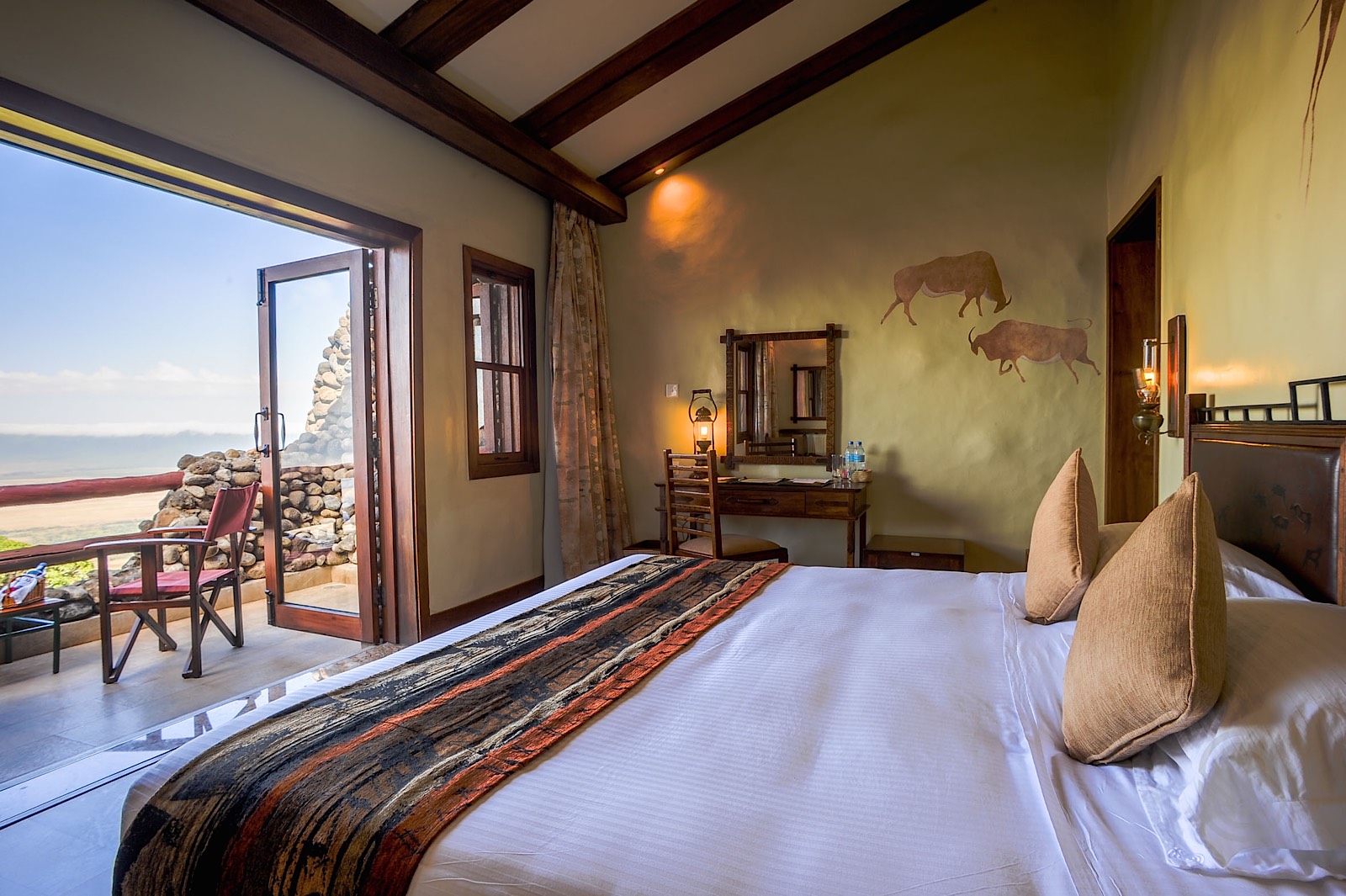


Descend into the Ngorongoro Crater for a 6 hour game drive. This area is home to the rare black rhino and huge bull elephants. Your research here focuses on the isolation of species within the caldera. After a picnic lunch near the hippo pool, drive 190 kilometers back to Arusha. This 4 hour trip marks the end of your 9-day Serengeti Migration research safari as you prepare for your flight home.
We offer two pricing options:
The cost is shared within your private group. More people means a lower price per person.
Join others on a fixed-date tour at a set per-person rate—ideal for solo travelers or small groups.
| No of pax | Adult Price | Child Price |
|---|---|---|
| 1 Pax | From $4,204 pp | From $3,153 pp |
| 2 Pax | From $2,899 pp | From $2,174 pp |
| 3 Pax | From $2,464 pp | From $1,848 pp |
| 4 Pax | From $2,247 pp | From $1,685 pp |
| 5 Pax | From $2,116 pp | From $1,587 pp |
| 6 Pax | From $2,029 pp | From $1,522 pp |
| 7+ Pax | From $1,967 pp | From $1,475 pp |
The Booking Form

Join our 9-day Serengeti Migration research safari. Explore wildlife behavior and conservation in the Serengeti and Ngorongoro with expert guides.
N.B: After you send your booking we will get back to you with in 24 hours.
Follow the journey from Start to End. Numbers show the order of destinations and arrows show the direction of travel. Lines connect approximate locations, not actual driving or flight paths.
Loading map…
More itineraries with related destinations and experiences.
Join an 8-day Serengeti Migration research safari for an educational tour. Track the Great Migration and learn about wildlife conservation with expert researchers.
View packageLuxury Tanzania Safari Tour with luxury lodges private safari from Mwanza and Tanzania Migration Safari tour fly in drive out.
View packageMidrange Tanzania Safari Tour with private safari from Mwanza fly in drive out adventure featuring Serengeti migration and Big Five.
View packageExperience the 9-day Serengeti Migration Women-Only Safari. A safe and adventurous journey through Tanzania to see the Great Migration and the Big Five.
View package
This safari involves more time spent observing specific animal behaviors and learning about conservation science. Your guide will provide deeper insights into how the ecosystem is managed and how data is collected to protect the Great Migration and the Big Five.
While you are not performing the technical science yourself, you will use high-quality binoculars and identification guides. Your expert guide will also explain the use of tracking collars and remote cameras that are used in real research projects across the park.
Yes, it is an excellent choice for biology students or anyone with a deep interest in nature. The itinerary is packed with educational moments that explain the biology and ecology of the Serengeti in a way that is easy to understand.
While we look for all wildlife, the focus is often on the Great Migration herds and large predators like lions and cheetahs. We also pay close attention to bird life and smaller creatures that play a big role in the environment.
Usually, we spend about 8 to 10 hours in the field to allow enough time for thorough observation. We often leave the camp at sunrise and return at sunset to capture the animals during their most active periods.
Yes, the route through Tarangire, Serengeti, and Ngorongoro is designed to find all of the Big Five. You have a very high chance of seeing lions, elephants, leopards, buffaloes, and the black rhino during your nine days.
Many travelers enjoy contributing to citizen science projects by sharing their photos of lions or wild dogs with local research groups. Your guide can show you which apps or websites are used to track these sightings in Tanzania.
The best time is during the dry season from July to October when the river crossings are happening. However, the calving season in February is also a fantastic time for research as you can observe thousands of births.
Yes, all the lodges and permanent camps we use have charging stations for your cameras, phones, and laptops. Our safari vehicles are also equipped with power outlets to keep your gear ready for use throughout the day.
You can send an inquiry through our website, and our team will help you plan every detail. We can customize the itinerary if you have a specific research interest, such as birdwatching or predator behavior.
holiday safari
 ES
Photos related to the place visited


Burigi Chato Safaris
 IT
Photos related to the place visited


river crossing in serengeti
 DK
Photos related to the place visited


Amazing safari
 DE
Photos related to the place visited


enjoyable moments
 SS
Photos related to the place visited


reaserch safaris
 RU
Photos related to the place visited


Highly Recommended
 LR
Photos related to the place visited


well-organized safari
 CG
Photos related to the place visited

my loved safari
 BD
Photos related to the place visited

Fantastic safari
 CA
Photos related to the place visited


