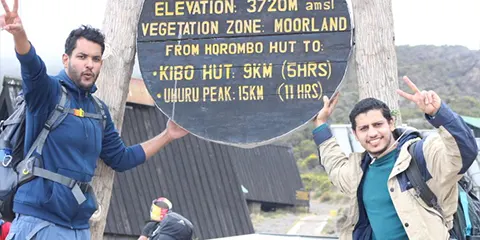
The majestic peak of Mount Kilimanjaro beckons, a siren's call to adventurers from around the globe. But conquering this iconic mountain requires more than just physical strength and unwavering determination; it demands a profound understanding and meticulous execution of proper acclimatization. Ignoring the critical importance of acclimatizing can transform a dream ascent into a perilous descent, forcing a premature retreat and leaving behind a profound sense of unfulfilled potential. This article delves deep into the intricacies of proper acclimatization when climbing Mount Kilimanjaro, providing a comprehensive guide to maximizing your chances of a successful and safe summit.
Understanding Altitude Sickness and the Acclimatization Process: A Deeper Dive
Altitude sickness, a formidable adversary on the slopes of Kilimanjaro, manifests itself in a variety of ways, from the relatively benign—mild headaches and nausea—to the severely life-threatening, including High Altitude Cerebral Edema (HACE) and High Altitude Pulmonary Edema (HAPE). These conditions arise from the body's struggle to adapt to the dramatically decreasing oxygen levels as altitude increases. The air thins, carrying significantly less oxygen with each breath. Your body, accustomed to the plentiful oxygen at sea level, must work considerably harder to extract sufficient oxygen from the increasingly rarefied atmosphere. This physiological stress is the root cause of altitude sickness.
Proper acclimatization, therefore, is not merely a suggestion; it's an absolute necessity for a safe and successful Kilimanjaro climb. It involves a carefully planned and executed strategy designed to give your body ample time to adjust to the progressively challenging conditions. This adjustment isn't instantaneous; it's a gradual process that requires patience, understanding, and a willingness to prioritize safety above all else. The core of effective acclimatization when climbing Mount Kilimanjaro revolves around allowing your body to adapt physiologically to the decreasing oxygen levels. This involves the production of additional red blood cells, crucial for carrying oxygen throughout your system, and adjustments to your cardiovascular and respiratory systems to improve oxygen uptake and delivery.
The Gradual Ascent: A Cornerstone of Safe Acclimatization
The single most crucial element in mitigating the risks of altitude sickness and ensuring proper acclimatization when climbing Mount Kilimanjaro is the implementation of a gradual ascent. Rushing the climb, driven by an overzealous desire to reach the summit quickly, is a grave mistake that significantly increases your vulnerability to altitude sickness. A gradual ascent allows your body to acclimatize progressively, giving your physiological systems the time they need to adapt to the escalating altitude and decreasing oxygen levels. It's not about speed; it's about successful adaptation. Many reputable Kilimanjaro climbing itineraries prioritize this gradual ascent, incorporating carefully planned rest days and strategically controlled altitude gains to maximize your body’s chances of adapting effectively. The benefits of this methodical approach far outweigh the perceived time savings of a faster, less cautious ascent.
Recognizing and Responding to the Subtle Signs of Altitude Sickness: Early Detection is Key
While the dramatic symptoms of HACE and HAPE are undeniably alarming, many climbers overlook the less severe, yet equally important, early warning signs of altitude sickness. These subtle indicators can be easily dismissed, but their presence should serve as a strong signal to adjust your strategy immediately. Headaches, nausea, dizziness, fatigue, and loss of appetite are all common early symptoms of altitude sickness. The key to preventing a minor ailment from escalating into a serious medical emergency lies in prompt recognition and decisive action. If you experience any of these symptoms, immediate descent to a lower altitude is crucial. Do not dismiss these symptoms; they are your body's way of signaling that it's struggling to adapt. Ignoring these warnings can lead to severe consequences, potentially jeopardizing your entire climb. Carrying altitude sickness medication, such as Diamox (Acetazolamide), as prescribed by your physician, can be beneficial, but it should never be seen as a replacement for careful acclimatization and astute observation of your body's signals. Remember, descent is the most effective—and often the only—treatment for altitude sickness.
The Crucial Role of Hydration and Nutrition: Fueling Your Body for Adaptation
Maintaining optimal hydration is paramount throughout your Kilimanjaro climb. Dehydration significantly exacerbates the effects of altitude sickness, impairing your body's ability to regulate temperature and transport oxygen. Even if you don't feel particularly thirsty, drink consistently and generously throughout the day. Your body requires an abundant supply of water to support the increased physiological demands of the climb. Similarly, paying close attention to nutrition plays a vital role in your body's ability to adapt successfully. A high-carbohydrate diet provides the necessary energy to fuel your climb, while sufficient protein supports muscle repair and overall bodily function. Avoid alcohol and limit caffeine intake, as both contribute to dehydration and can hinder your body's ability to acclimatize effectively. Prioritizing hydration and nutrition are critical components of successful acclimatization when climbing Mount Kilimanjaro.
Rest and Pacing: Listening to Your Body's Wisdom
The relentless drive to push forward, especially when fueled by the excitement of the climb, can easily lead to overexertion. Resist this temptation. Schedule ample rest periods throughout your ascent. Prioritize slow and steady progress over a frantic race to the summit. Your body needs time to adjust to the changing conditions, and overexertion only hinders this vital process. Listen to your body’s signals; they are invaluable indicators of your physiological state. If you feel fatigued, take a break. If you experience any symptoms of altitude sickness, descend. Remember, a safe and successful climb prioritizes your well-being above all else. A slow and steady pace is not just advisable; it’s essential for proper acclimatization when climbing Mount Kilimanjaro.
Choosing the Right Itinerary: A Partnership for Success
The selection of your Kilimanjaro climbing itinerary is a critical decision that directly impacts your chances of success. Opting for an itinerary that prioritizes proper acclimatization is not merely beneficial; it’s essential for safety. Some itineraries prioritize speed, potentially jeopardizing your safety for the sake of a faster ascent. Others, however, are carefully designed with a gradual ascent in mind, incorporating sufficient rest days and strategic altitude gains to maximize your body's adaptation. Consider your fitness level, experience, and overall health when making this vital decision. While a longer, slower itinerary might appear more expensive, the investment in your safety and the increased likelihood of a successful summit far outweigh any perceived cost savings. Never compromise your safety for the sake of a shorter trip.
By carefully considering and diligently following these guidelines for proper acclimatization when climbing Mount Kilimanjaro, you significantly enhance your chances of achieving a triumphant and safe summit. Remember, acclimatization is not a secondary concern; it's the foundation upon which a successful Kilimanjaro climb is built. Prioritize your safety, listen to your body, and embrace the importance of a gradual ascent. The rewards of reaching Uhuru Peak are immeasurable, but the price of neglecting acclimatization is far too high.