Mount Kilimanjaro, a majestic stratovolcano rising dramatically from the Tanzanian plains, is undeniably one of Africa’s most iconic landmarks. Its fame extends far beyond geographical boundaries, captivating adventurers, scientists, and photographers alike. But what exactly makes Kilimanjaro so famous? Let's delve into the reasons behind this mountain's global renown.
A Unique Geographical Phenomenon
Kilimanjaro's fame stems from its unique geographical position and stunning visual impact. Towering over 19,341 feet (5,895 meters) above sea level, it's the highest mountain in Africa and the highest freestanding mountain in the world. This impressive height, combined with its location in a relatively flat landscape, creates a breathtaking spectacle visible from miles around. The sheer scale of the mountain against the backdrop of the African savanna is truly awe-inspiring, making it a photographer's dream and a truly unforgettable sight for any visitor. The contrast between the snowy peak and the lush tropical base is another aspect that contributes to its distinctive beauty and global recognition.
A Challenging Yet Rewarding Climb
Discover the thrill of conquering Africa's iconic peak. Kilimanjaro is not just visually striking; it's also a significant challenge for climbers worldwide. The climb itself is a test of endurance and perseverance, requiring physical fitness, meticulous planning, and a high degree of resilience. The varying altitudes, diverse terrains, and unpredictable weather conditions demand respect and careful preparation. However, reaching the summit, Uhuru Peak, is an incredibly rewarding experience, providing climbers with a sense of accomplishment and unparalleled views that few other mountain climbs can offer. This challenging ascent adds another layer to Kilimanjaro's global appeal, attracting adventure-seekers from every corner of the world.
Diverse Ecosystems and Biodiversity
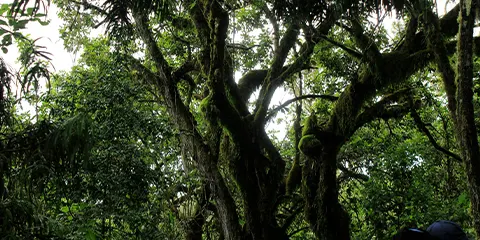
The journey up Kilimanjaro is not merely a climb; it's a journey through diverse ecosystems. As climbers ascend, they traverse through distinct ecological zones, each with its own unique flora and fauna. From the lush rainforest at the base to the alpine desert and finally the icy summit, the mountain boasts an incredible variety of plant and animal life, adding to its scientific and ecological significance. This biodiversity is a crucial aspect of Kilimanjaro's overall appeal, attracting scientists and nature enthusiasts alike. Understanding and protecting this unique ecosystem is a major focus for conservation efforts surrounding the mountain.
Cultural Significance and Tourism
Kilimanjaro holds significant cultural importance for the local communities living in its shadow. For centuries, the mountain has been a sacred site, woven into the traditions and folklore of the Chagga people and other nearby tribes. Today, the mountain's fame has translated into a substantial tourism industry, benefiting local economies and providing opportunities for sustainable development. The combination of cultural heritage and modern tourism creates a complex dynamic around Kilimanjaro, ensuring its continued prominence on the global stage. Visiting Kilimanjaro is not just about experiencing the mountain itself; it's also about engaging with the rich culture of the people who live in its shadow.
In conclusion, Kilimanjaro's fame is a result of a confluence of factors – its impressive size and visual impact, its challenging climb, its unique biodiversity, and its profound cultural significance. It is a mountain that transcends geographical boundaries, captivating people from all walks of life and inspiring a sense of wonder and admiration that continues to solidify its position as Africa's iconic peak.